
My wisdom teeth hurts
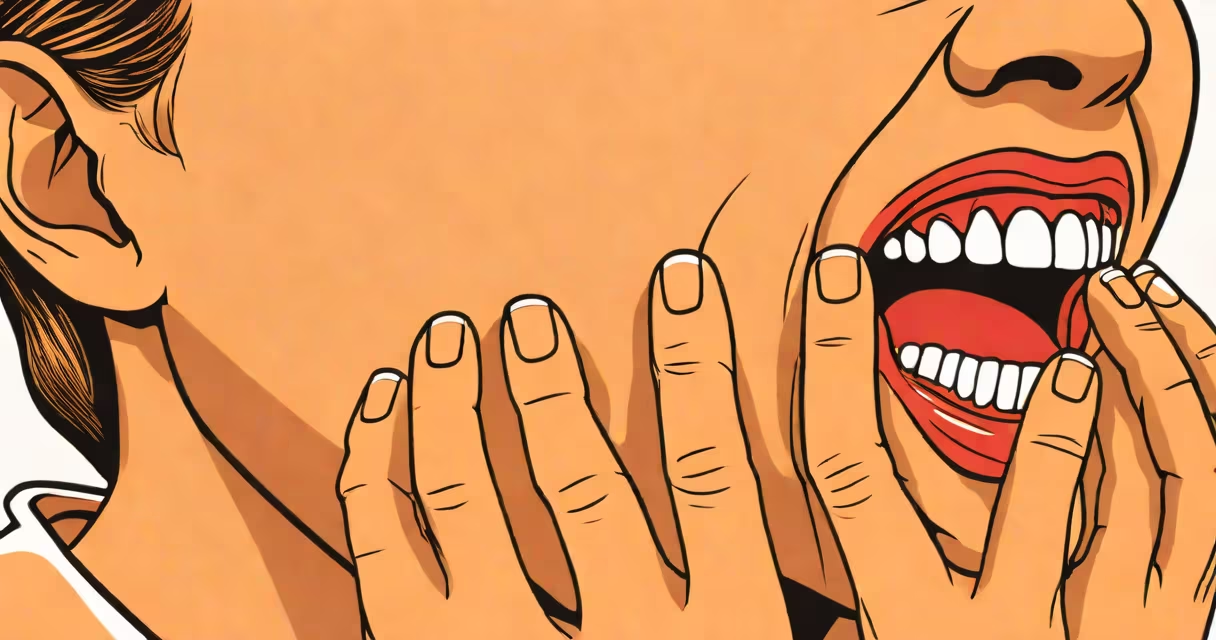
When your wisdom teeth hurt, it's usually due to impaction, infection, or pressure on nearby teeth and nerves. This pain often starts in the back of the mouth and may radiate to the ear, jaw, or head. The sensation can range from dull ache to sharp, throbbing pain.
Wisdom teeth are the third molars that typically emerge between ages 17 and 25. Not everyone develops them, and many people have them removed because they don't fit properly in the jaw. When they're misaligned or partially erupted, they create spaces where bacteria collect, leading to inflammation and pain.
According to the American Dental Association (ADA), about 85% of adults have at least one impacted wisdom tooth. Impaction occurs when there's not enough room for the tooth to fully emerge, causing it to grow sideways, tilt, or remain trapped beneath the gum. This can lead to pain, swelling, and increased risk of infection.
How Wisdom Tooth Pain Develops
Pain from wisdom teeth begins when the tooth pushes against the gum tissue or neighboring teeth. The gums around a partially erupted tooth become inflamed and sensitive. Bacteria enter the space between the tooth and gum, causing pericoronitis-a painful infection that results in redness, swelling, and sometimes pus.
As the tooth continues to grow, it can press on nerves in the jaw. This pressure triggers nerve signals interpreted by the brain as pain in the jaw, ear, or temple. A 2021 study published in the Journal of Oral and Maxillofacial Surgery found that 68% of patients with symptomatic wisdom teeth reported referred pain to the ear or temporomandibular joint (TMJ).
For example, a 21-year-old student experienced severe pain on the left side of their jaw. The pain worsened when chewing and persisted for five days. An X-ray revealed a horizontally impacted wisdom tooth pressing against the second molar. After surgical removal, the pain resolved within 72 hours.
Types of Wisdom Tooth Issues
Not all wisdom teeth cause problems. Some grow in straight and function normally. Others develop complications based on their position and alignment. Here's how they're classified:
| Type | Description | Common Symptoms |
|---|---|---|
| Impacted | Tooth is trapped under bone or gum tissue. | Pain, swelling, limited mouth opening, bad breath. |
| Partial eruption | Tooth breaks through gum but remains covered. | Redness, tenderness, infection, difficulty cleaning. |
| Properly aligned | Tooth emerges fully and functions normally. | No symptoms; may require monitoring. |
| Referred pain | Pain felt in other areas despite no issue with the tooth. | Jaw stiffness, earache, headache. |
One key distinction often missed is that pain from wisdom teeth doesn't always originate from the tooth itself. Nerve pathways can carry signals to distant areas. For instance, a patient reported persistent ear pain for two weeks. After a dental exam and imaging, the dentist diagnosed an impacted lower wisdom tooth compressing the trigeminal nerve. Removing the tooth eliminated the ear pain.
Common Mistakes and Misconceptions
Many people assume that if a wisdom tooth isn't causing pain now, it won't later. That's incorrect. Asymptomatic impacted teeth can still damage adjacent teeth or cause cysts. The American Association of Oral and Maxillofacial Surgeons (AAOMS) warns that untreated impacted wisdom teeth increase the risk of decay in the second molar and periodontal disease.
Another misconception is that home remedies like saltwater rinses or ibuprofen will permanently fix the problem. These offer temporary relief but don't address the root cause. Using a rinse for three days may reduce swelling, but if the tooth remains impacted, pain will return.
I once observed a patient who used clove oil to numb the area for six days. The pain subsided briefly, but then worsened. An X-ray showed a deep abscess forming under the gum. The tooth had to be surgically removed, and antibiotics were required. This illustrates why delaying care increases treatment complexity.
What to Do About My Wisdom Teeth Hurts
If your wisdom teeth hurt, start with over-the-counter pain relievers like ibuprofen (600 mg every 6 hours as needed) and warm saltwater rinses (1/2 teaspoon salt in 8 oz warm water, swish for 30 seconds, spit out). Avoid using straws or vigorous rinsing, which can dislodge blood clots and delay healing.
See a dentist or oral surgeon if pain lasts more than three days, if swelling spreads to the face or neck, or if you can't open your mouth fully. Imaging such as a panoramic X-ray or CT scan confirms whether the tooth is impacted or infected.
Surgical removal is the most effective long-term solution. A 2020 review in the British Journal of Oral and Maxillofacial Surgery found that early extraction (before age 25) leads to faster recovery and fewer complications. Recovery time averages 3-5 days, with most patients returning to normal activities within a week.
For those avoiding surgery, regular monitoring is essential. But even asymptomatic impacted teeth can erode the roots of adjacent teeth over time. The ADA recommends evaluation by a dentist around age 18 to assess risk and plan for intervention if needed.