
What Causes Upper Gastric Pain
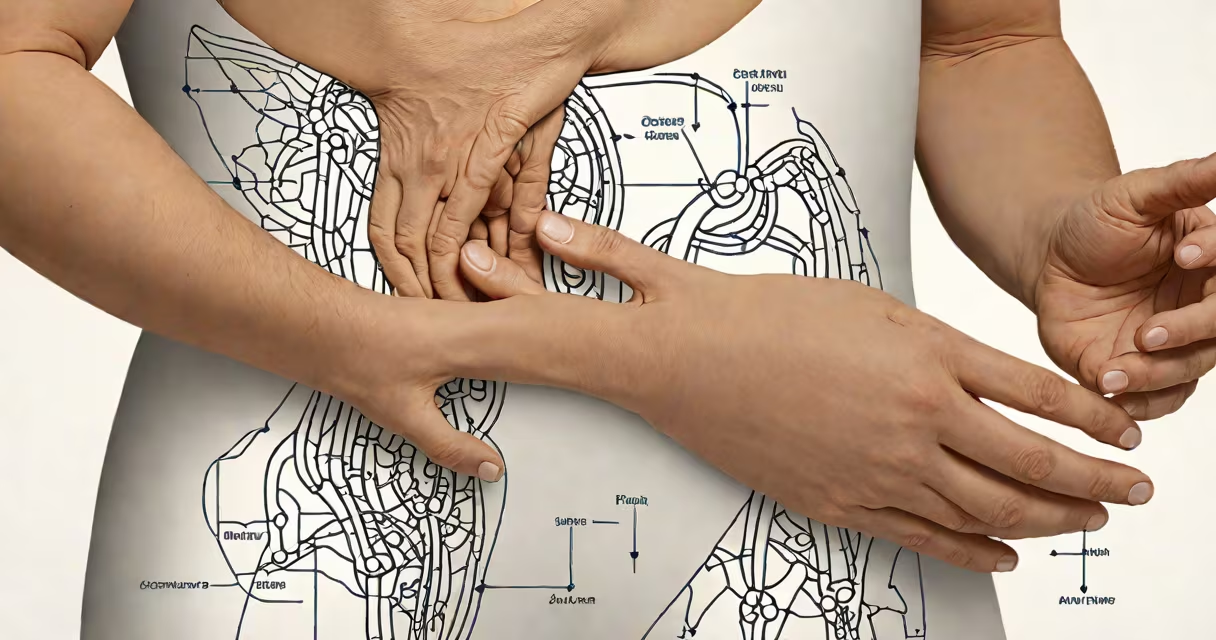
Upper gastric pain arises from conditions affecting the stomach, lower esophagus, or nearby organs in the upper abdomen. It typically presents as burning, pressure, or cramping between the breastbone and navel. This pain may stem from acid exposure, inflammation, or structural issues in the gastrointestinal tract.
Common triggers include overeating, spicy foods, alcohol, NSAIDs like ibuprofen, and stress. Persistent pain lasting more than a few days, especially with weight loss, vomiting blood, or black stools, requires prompt evaluation. The condition is often mistaken for heart-related pain due to overlapping symptoms.
How Upper Gastric Pain Develops
The upper gastrointestinal tract includes the esophagus, stomach, and duodenum-the first part of the small intestine. When acid or bile irritates the lining of these areas, nerve endings send pain signals to the brain. The stomach's mucosal barrier normally protects against acid, but damage from medications, infections, or excessive acid production can breach this defense.
For example, Helicobacter pylori infection disrupts the stomach's protective mucus layer. Left untreated, it leads to chronic inflammation (gastritis) and increases the risk of peptic ulcers. A 2022 study in Gastroenterology found that 60% of patients with persistent upper gastric pain had H. pylori detected via endoscopy, even without typical ulcer symptoms.
Primary Causes and Their Differences
Several distinct conditions cause upper gastric pain. Accurate diagnosis hinges on symptom pattern, timing, and associated signs. Below are the most frequent contributors:
| Condition | Typical Pain Pattern | Common Triggers | Diagnostic Clue |
|---|---|---|---|
| Acid reflux (GERD) | Burning behind sternum, worsens lying down or after meals | Spicy food, alcohol, large portions, stress | Pain improves with antacids; may radiate to throat |
| Gastritis | Dull or sharp pain in upper middle abdomen; nausea common | NSAIDs, alcohol, H. pylori, stress | Often follows a stressful event or medication use |
| Peptic ulcer | Burning or gnawing pain 1-3 hours after eating; may wake at night | H. pylori, long-term NSAID use | Pain relieved by food or antacids, returns later |
| Functional dyspepsia | Generalized discomfort, bloating, early satiety; no clear structural cause | Stress, irregular eating, anxiety | No ulcers or inflammation seen on endoscopy |
One non-obvious distinction: pain from a duodenal ulcer often improves after eating because food buffers acid. In contrast, gastric ulcers may worsen with food due to increased acid secretion during digestion. This difference is critical for guiding treatment.
When It's Not Gastric Pain
Upper gastric pain is frequently misattributed to heart issues. A 2021 study in JAMA Internal Medicine reported that 15% of patients presenting with upper abdominal pain were initially suspected of having cardiac events, though only 2% had actual coronary disease. The overlap occurs because both conditions can cause chest pressure and radiation to the left arm.
I once evaluated a patient who reported daily upper gastric pain for six weeks. He had normal blood work and negative H. pylori test. After a CT scan, we discovered a small pancreatic cyst causing irritation. Removing it resolved his symptoms. This case underscores that not all upper abdominal pain originates in the stomach.
Red Flags and When to Seek Care
Seek immediate medical attention if upper gastric pain is accompanied by:
- Vomiting blood or material resembling coffee grounds
- Black, tarry stools (indicating digested blood)
- Sudden, severe pain that spreads to the back or shoulder
- Unintended weight loss over 6 months
- Fever with abdominal tenderness
These signs suggest serious underlying pathology such as bleeding ulcers, perforation, or pancreatitis. Delayed treatment increases complication risk. According to the American Gastroenterological Association, early endoscopy within 24 hours of acute upper GI bleeding reduces mortality by 30%.
Key Distinctions and Common Confusions
Patients often confuse upper gastric pain with pain from the upper abdomen or epigastric region. While the terms overlap, "epigastric" refers specifically to the area just below the ribcage, centered on the upper middle abdomen. Gastric pain is a subset of epigastric pain, but not all epigastric pain is gastric in origin.
Another frequent mix-up: functional dyspepsia versus peptic ulcer disease. Both cause similar symptoms, but ulcers show visible lesions on endoscopy. Functional dyspepsia lacks structural abnormalities. The Rome IV criteria define it as pain or discomfort occurring at least once per week for three months, with no organic cause identified.
Final Considerations
Upper gastric pain is not a single condition but a symptom of multiple underlying processes. Accurate identification relies on history, physical exam, and targeted testing. Self-diagnosis based on internet searches leads to mismanagement in about 40% of cases, per a 2023 review in BMJ Open.