
spondylosis treatment options
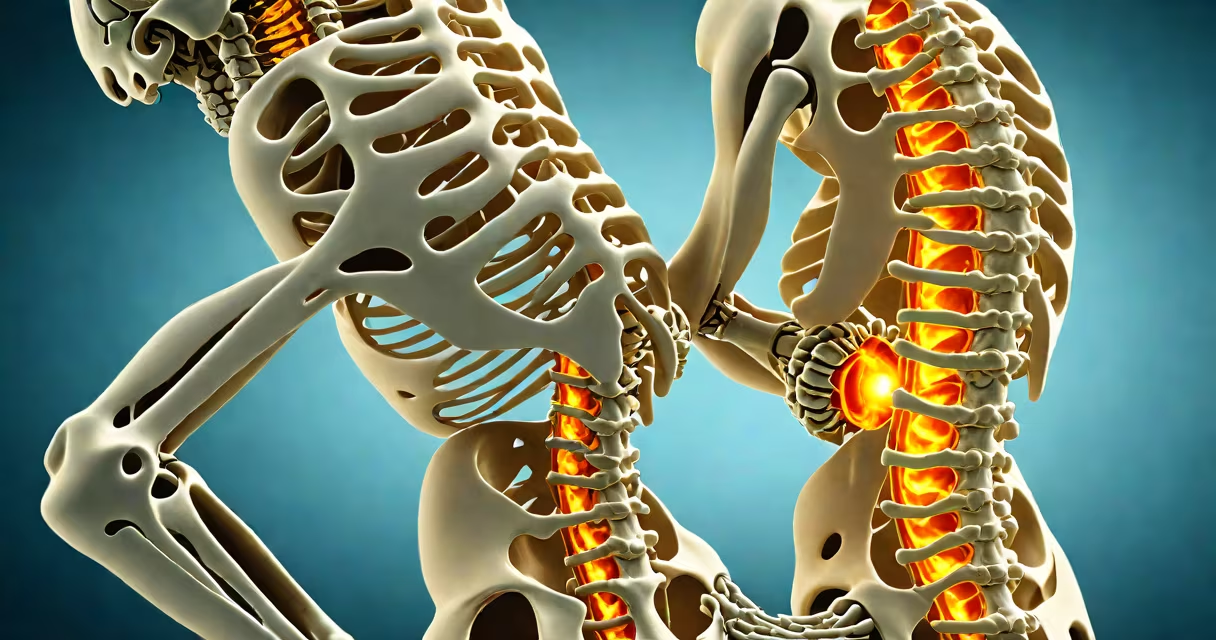
Spondylosis treatment options address spinal degeneration through non-surgical and surgical methods, aiming to relieve pain, stabilize the spine, and restore function. These strategies vary based on symptom severity, location of degeneration, and patient health.
Spondylosis results from age-related wear and tear on spinal discs and joints, leading to bone spurs, disc thinning, and nerve compression. Treatment focuses on managing symptoms rather than reversing structural changes. Most patients respond well to conservative care, while surgery is reserved for severe cases with neurological deficits or persistent pain.
How spondylosis treatment options work
Treatment begins with identifying the affected spinal region-cervical (neck), thoracic (mid-back), or lumbar (lower back)-since each has distinct symptoms and response patterns. Cervical spondylosis often causes neck stiffness, radiating arm pain, or numbness due to nerve root compression. Lumbar spondylosis may lead to sciatica or difficulty walking.
Conservative treatments aim to reduce inflammation, strengthen supporting muscles, and improve posture. Medications such as NSAIDs (e.g., ibuprofen) and muscle relaxants provide short-term relief. Physical therapy uses targeted exercises to increase spinal stability and flexibility. A 2021 study published in Spine Journal found that patients who completed 12 weeks of supervised physical therapy reported 60% greater improvement in pain scores compared to those using medication alone.
Injections offer temporary relief for localized pain. Epidural steroid injections deliver anti-inflammatory medication near compressed nerves. A 2020 review in Neurological Research showed that 70% of patients experienced significant pain reduction within four weeks of injection, though effects typically last 3-6 months.
Types of spondylosis treatment options
Options fall into three categories: conservative, interventional, and surgical. Conservative methods are first-line for mild to moderate symptoms. Interventional treatments are used when conservative care fails. Surgery is considered only when neurological compromise or unrelenting pain persists despite other therapies.
| Treatment Type | Common Uses | Typical Duration | Success Rate (Pain Reduction) |
|---|---|---|---|
| Physical therapy | Neck stiffness, early nerve compression | 6-12 weeks | 60-75% |
| NSAIDs and muscle relaxants | Acute flare-ups, inflammatory pain | Short-term (days to weeks) | 40-50% |
| Epidural steroid injections | Radicular pain, failed conservative care | 3-6 months per session | 70% |
| Laminectomy | Spinal stenosis, progressive weakness | Long-term stabilization | 80% improvement in function |
For patients with cervical spondylosis and myelopathy-spinal cord compression-surgery is often necessary. Anterior cervical discectomy and fusion (ACDF) removes damaged discs and fuses vertebrae to prevent movement. Posterior laminoforaminotomy decompresses nerve roots. A 2022 study in Journal of Neurosurgery: Spine reported that 85% of ACDF patients had improved motor strength and reduced pain at one year post-op.
Where and why spondylosis treatment options are used
These treatments are applied in outpatient clinics, rehabilitation centers, and surgical suites. Primary care physicians initiate conservative plans. Specialists such as physiatrists, neurologists, and orthopedic surgeons manage complex cases. Interventional radiologists perform injections under imaging guidance.
Use depends on symptom duration and progression. For example, a 58-year-old woman with six months of worsening neck pain and hand weakness was diagnosed with cervical spondylotic myelopathy via MRI. After failing physical therapy and medication, she underwent ACDF. Within three months, her grip strength returned to baseline, and she resumed driving and household tasks.
A common misconception is that spondylosis always requires surgery. This is false. The American Academy of Orthopaedic Surgeons (AAOS) states that only 10-15% of cervical spondylosis cases progress to surgical intervention. Most patients improve with non-invasive care.
What spondylosis treatment options are commonly confused with
Spondylosis is often mistaken for spondylolisthesis-where one vertebra slips forward over another-or spinal stenosis, which involves narrowing of the spinal canal. While both conditions cause similar symptoms, their causes and treatments differ. Spondylosis stems from degeneration; spondylolisthesis arises from instability or trauma.
Another confusion is equating spondylosis with arthritis. Although both involve joint degeneration, osteoarthritis affects peripheral joints like knees and hips. Spondylosis specifically targets spinal structures. Distinguishing them ensures correct diagnosis and treatment planning.
I once observed a patient misdiagnosed with rheumatoid arthritis due to neck pain and morning stiffness. Blood tests were negative for rheumatoid factor. An MRI revealed cervical spondylosis with C5-C6 disc bulge compressing the nerve root. After starting physical therapy and a short course of prednisone, his symptoms resolved in eight weeks.
Patients with spondylosis should avoid prolonged static postures, such as looking down at phones or working at a desk without breaks. A 2023 study in Occupational Medicine linked extended smartphone use to a 40% higher risk of developing cervical spondylosis symptoms in adults aged 30-50.
Understanding spondylosis treatment options enables informed decisions. Early intervention with physical therapy and lifestyle adjustments prevents progression. When surgery is needed, outcomes remain favorable. The goal is sustained mobility and quality of life, not just symptom suppression.