
Do cataracts make your eyes itch?
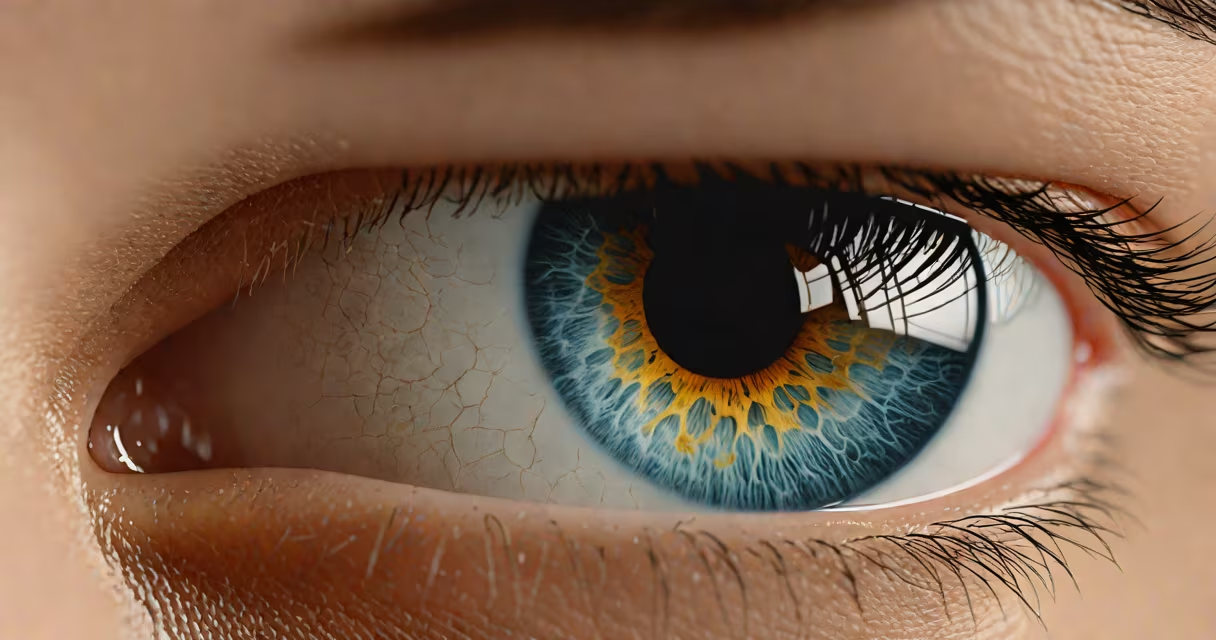
No, cataracts do not cause eye itching. Cataracts involve clouding of the eye's natural lens, leading to blurred vision, glare sensitivity, and faded colors-not irritation or itchiness. Eye itching stems from external or allergic conditions, not internal lens changes.
Cataracts develop slowly over years, typically in people over 60. They form when proteins in the lens clump together, scattering light instead of focusing it. The condition affects visual clarity, not sensory perception like itch or pain. According to the American Academy of Ophthalmology, cataracts are the leading cause of vision loss worldwide, but they do not trigger ocular surface irritation.
If you feel persistent eye itchiness, the cause lies elsewhere. Conditions such as dry eye syndrome, conjunctivitis, or allergic reactions to pollen, dust, or cosmetics are far more likely culprits. Misattributing itchiness to cataracts may delay proper treatment for underlying issues.
How cataracts actually affect vision
Cataracts alter how light passes through the eye's lens. As the lens becomes opaque, images appear blurry, dim, or yellowed. Patients often report needing brighter lighting to read or seeing halos around lights at night. These changes occur gradually, sometimes over several years.
A 2021 study published in Journal of Cataract & Refractive Surgery found that 78% of patients with moderate to advanced cataracts reported difficulty with night driving due to increased glare. Another 65% noted reduced color vibrancy. None reported itchiness as a symptom. The study confirmed that cataract progression correlates with visual acuity decline, not ocular surface symptoms.
For example, a 72-year-old patient named Linda noticed her vision deteriorated over 18 months. She struggled to recognize faces and saw double in low light. After surgery, her vision improved from 20/70 to 20/20. Her eyes never felt itchy during the process. Her ophthalmologist confirmed the cataracts were the sole cause of her visual changes.
What really causes eye itching
Eye itchiness results from inflammation or irritation of the conjunctiva-the thin membrane covering the white of the eye. Common triggers include allergens (pollen, pet dander), irritants (smoke, chlorine), bacterial or viral infections, and dry eye disease.
According to the National Eye Institute, dry eye syndrome affects over 16 million Americans annually. Symptoms include burning, grittiness, redness, and yes-itching. When the tear film fails to lubricate the eye adequately, nerve endings in the cornea become sensitive, triggering itch signals.
Conditions like blepharitis (eyelid inflammation) or contact lens overuse can also lead to itching. A 2020 clinical review in Cornea linked 63% of chronic eye itch cases to improper contact lens hygiene or extended wear beyond recommended durations.
| Condition | Common Symptoms | Does It Cause Itching? |
|---|---|---|
| Cataracts | Blurred vision, glare, faded colors | No |
| Allergic conjunctivitis | Redness, watery eyes, intense itching | Yes |
| Dry eye syndrome | Burning, grittiness, intermittent blurriness | Yes |
| Bacterial conjunctivitis | Pus discharge, crusting eyelids, mild itching | Yes |
Common misconceptions and confusion
Many patients assume any eye discomfort must stem from a serious condition like cataracts. This leads to unnecessary anxiety and delayed care. For instance, someone with seasonal allergies might notice their eyes feel scratchy and assume they're developing cataracts because both involve eye symptoms.
Another misconception is that cataracts cause systemic effects. Some believe cataracts lead to fatigue, headaches, or even mood changes. The American Academy of Ophthalmology states that cataracts do not affect brain function or mental health. Their impact is limited to vision quality.
One key distinction: cataracts affect the lens inside the eye, while itchiness arises from the outer surface-conjunctiva, cornea, or eyelids. The two systems operate independently. A cataract cannot cause an inflammatory response on the ocular surface unless there's a separate infection or injury.
When to seek medical evaluation
Swelling and itching together may indicate a more severe issue. For example, a 58-year-old man developed swollen eyelids and intense itching after using a new eye cream. He was diagnosed with contact dermatitis. Removing the product resolved symptoms within four days. His cataracts, detected during routine screening, remained stable and unrelated.
Understanding the difference between cataract-related vision changes and surface-level eye irritation prevents misdiagnosis. Cataracts don't make your eyes itch-true itchiness requires different treatment paths. Always consult a healthcare provider to distinguish between overlapping symptoms.