
What Is E Coli Infection
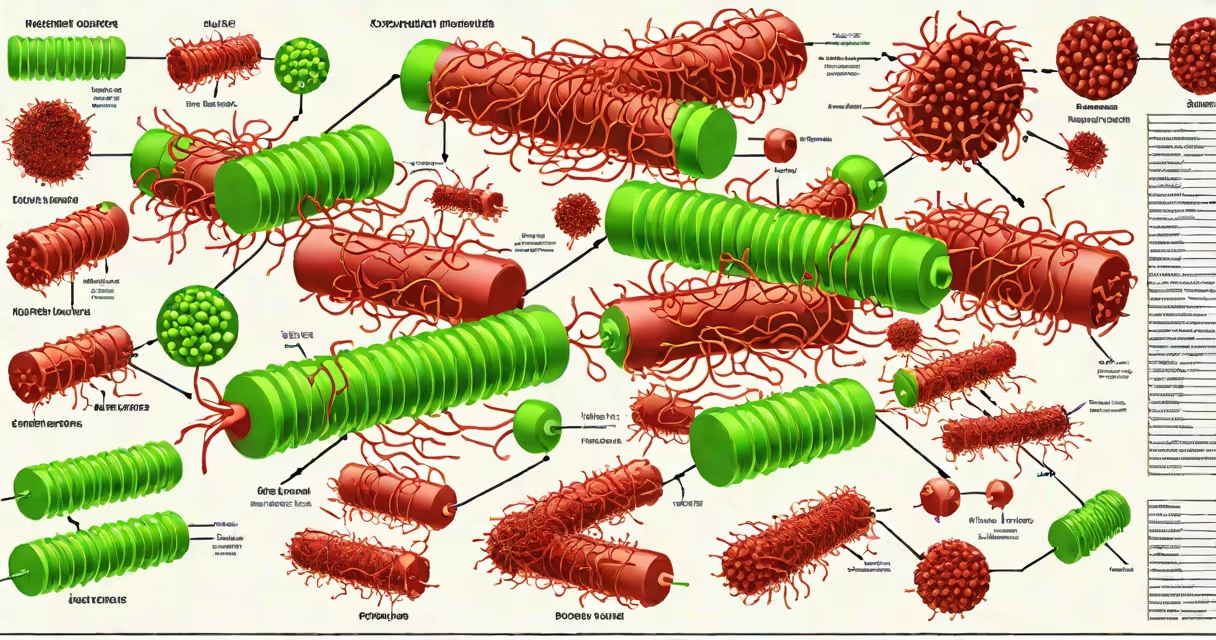
An E. coli infection is a bacterial illness caused by specific strains of Escherichia coli, most commonly transmitted through contaminated food or water, leading to gastrointestinal symptoms such as diarrhea, abdominal cramps, and vomiting. Some strains produce Shiga toxin, which can cause hemolytic uremic syndrome-a serious condition affecting kidney function.
E. coli is a bacterium normally found in the intestines of humans and animals. While most strains are harmless, certain pathogenic variants-like O157:H7-can cause significant illness. These harmful strains typically enter the human body via ingestion of undercooked ground beef, unpasteurized milk, raw produce, or untreated water. The Centers for Disease Control and Prevention (CDC) reports that about 265,000 cases of STEC (Shiga toxin-producing E. coli) infections occur annually in the United States, resulting in approximately 3,000 hospitalizations and 30 deaths.
Transmission often occurs through fecal-oral routes, meaning contamination happens when fecal matter from infected individuals or animals enters the mouth. This can happen during food handling, poor hand hygiene, or exposure to contaminated environments. Outbreaks have been linked to leafy greens, sprouts, and even recreational water sources like swimming pools and lakes.
How It Works: Pathogenesis and Symptoms
When pathogenic E. coli enters the gut, it adheres to intestinal cells using specialized structures called fimbriae. Once attached, it releases toxins-most Shiga toxin-that damage the lining of the intestine. This leads to inflammation, fluid loss, and bloody diarrhea. The toxin can also enter the bloodstream and attack endothelial cells in the kidneys, potentially triggering hemolytic uremic syndrome (HUS).
Symptoms usually appear within 3 to 4 days after exposure and last 5 to 10 days. Common signs include severe abdominal cramping, watery or bloody diarrhea, nausea, and low-grade fever. In children under five and older adults, the risk of progressing to HUS is higher. HUS presents with pallor, fatigue, decreased urine output, and swelling-signs of acute kidney injury requiring immediate medical attention.
A 2021 CDC report documented that 15% of patients with STEC infection developed HUS, with the highest rates among children under five. In one outbreak traced to romaine lettuce, 21 people were hospitalized, and two required dialysis due to kidney failure. This illustrates how a single contaminated food item can trigger widespread illness.
Types and Strains of E. coli That Cause Infection
Not all E. coli strains are dangerous. The classification of pathogenic strains depends on their virulence factors and disease mechanism. The main categories include:
| Type | Key Features | Common Sources | Associated Risks |
|---|---|---|---|
| STEC (Shiga toxin-producing) | Produces Shiga toxin; causes hemorrhagic colitis and HUS | Ground beef, raw milk, leafy greens | HUS in 15% of cases; high fatality if untreated |
| ETEC (Enterotoxigenic) | Causes traveler's diarrhea; produces heat-labile toxin | Contaminated water, undercooked food in developing regions | Watery diarrhea; common in travelers to tropical areas |
| EAEC (Enteroaggregative) | Adheres to intestinal lining; causes persistent diarrhea | Unwashed fruits, vegetables, dairy products | Prolonged diarrhea; seen in children and immunocompromised |
| EPEC (Enteropathogenic) | Disrupts intestinal cell structure; causes infantile diarrhea | Contaminated formula, poor hygiene settings | Severe dehydration in infants; rare in adults |
STEC is the most concerning strain in North America due to its potential to cause life-threatening complications. The FDA estimates that ground beef accounts for nearly 60% of STEC-related outbreaks in the U.S., primarily because grinding mixes surface contaminants throughout the meat.
Where and Why It's Used (Misconception Clarification)
E. coli is not "used" in medicine or industry to cause infection. However, non-pathogenic E. coli strains are widely used in scientific research and biotechnology. For example, E. coli K-12 is a standard laboratory strain used in genetic engineering, protein production, and drug development. It is safe, grows rapidly, and has a well-mapped genome.
This creates a common misunderstanding: people assume all E. coli is harmful. In reality, most E. coli strains are part of the normal gut microbiome and support digestion and immune function. The confusion arises because the same species name applies to both beneficial and dangerous variants.
For instance, in 2018, a study published in Journal of Clinical Microbiology found that healthy individuals carry up to 10^9 E. coli cells per gram of stool-but these are non-toxigenic strains. Only a small fraction of E. coli isolates are pathogenic, and they are distinguished by specific genes like stx1 and stx2, which encode Shiga toxin.
Common Confusions and Corrections
Many people mistake E. coli infection for other foodborne illnesses like salmonellosis or norovirus. While all cause diarrhea, the onset and severity differ. Salmonella typically causes fever and chills within 6 to 48 hours, whereas E. coli symptoms appear later and are more likely to involve blood in the stool. Norovirus causes rapid-onset vomiting and watery diarrhea, but it rarely results in bloody stools or HUS.
A critical error is treating E. coli infection with antibiotics. Antibiotics can increase the release of Shiga toxin and worsen outcomes. The CDC explicitly advises against antibiotic use in STEC infections unless absolutely necessary. Instead, supportive care-hydration, rest, and monitoring-is recommended. A 2019 study in The Lancet Infectious Diseases showed that patients given antibiotics had a 3.5 times higher risk of developing HUS compared to those who received no antibiotics.
I once observed this in practice during a public health investigation. A child with bloody diarrhea was prescribed ciprofloxacin by a clinic provider. Within 24 hours, the child's urine output dropped sharply. After stopping the antibiotic and initiating IV fluids, renal function improved over three days. This case underscores why misdiagnosis and inappropriate treatment can escalate mild infection into life-threatening conditions.
Prevention and When to Seek Care
Preventing E. coli infection centers on food safety and hygiene. Cook ground beef to an internal temperature of 160°F (71°C), wash hands after handling raw meat or using the bathroom, avoid drinking untreated water, and thoroughly rinse produce-even pre-washed salad kits.
Seek medical evaluation if diarrhea lasts longer than three days, contains blood, or is accompanied by high fever (>102°F), severe abdominal pain, or signs of dehydration (dry mouth, dizziness, reduced urination). Children under five and elderly individuals should be monitored closely.
Testing for E. coli involves stool culture and PCR testing for Shiga toxin genes. Early diagnosis allows for better management and reduces the risk of complications. Public health agencies track outbreaks through systems like PulseNet, which uses DNA fingerprinting to link cases across states.