
cure for red eye
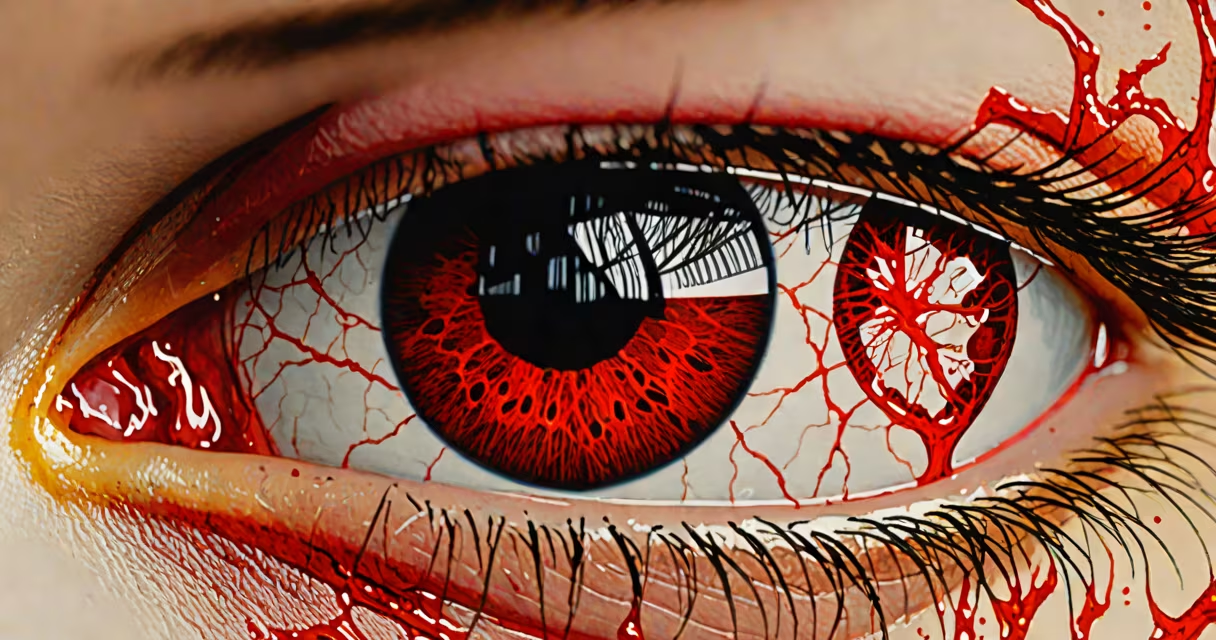
A cure for red eye depends on identifying the underlying cause-common triggers include infection, allergies, dryness, or injury. Treatment varies: bacterial conjunctivitis requires prescription antibiotics, while viral or allergic forms respond to cold compresses, artificial tears, and antihistamines. Self-diagnosis risks delay in proper care.
Red eye occurs when blood vessels in the sclera (white of the eye) dilate due to irritation or inflammation. This dilation increases blood flow near the surface, making the eye appear pink or bright red. The condition may affect one or both eyes and often comes with symptoms like itching, tearing, discharge, or a gritty sensation. Not all red eyes stem from infections-dry air, prolonged screen time, or contact lens wear can trigger similar appearances.
According to the American Academy of Ophthalmology, approximately 60% of red eye cases are due to non-infectious causes such as dry eye syndrome or allergic reactions. Only about 10% involve bacterial conjunctivitis requiring antibiotics. Misidentifying the cause leads to ineffective treatment and potential complications.
How a cure for red eye works
Treatment begins with determining whether the redness stems from infection, allergy, trauma, or systemic issues. A healthcare provider assesses eye appearance, checks for discharge, evaluates vision changes, and reviews medical history. Swabs or imaging may be used in persistent or severe cases.
For bacterial conjunctivitis, a cure typically involves antibiotic eye drops like erythromycin or ciprofloxacin. These reduce pathogen load within 24-48 hours. Viral conjunctivitis lacks targeted medication; recovery relies on immune response and symptom relief. Allergic conjunctivitis responds to antihistamine eye drops (e.g., ketotifen) or oral antihistamines like loratadine.
Non-infectious redness from dry eyes improves with preservative-free artificial tears used four times daily. Avoiding irritants like smoke, wind, or excessive screen time reduces strain. In rare cases, redness signals uveitis or glaucoma-conditions needing urgent ophthalmic evaluation to prevent vision loss.
Types of red eye and their specific treatments
Not all red eyes are alike. Distinct patterns help differentiate causes:
| Type | Common Causes | Typical Symptoms | Recommended Treatment |
|---|---|---|---|
| Bacterial conjunctivitis | Staphylococcus aureus, Streptococcus pneumoniae | Yellow-green discharge, crusting eyelids, mild pain | Topical antibiotics (e.g., erythromycin ointment) |
| Viral conjunctivitis | Adenovirus, herpes simplex virus | Watery discharge, swollen lymph nodes, photophobia | Supportive care: cold compresses, lubricating drops |
| Allergic conjunctivitis | Pollen, dust mites, pet dander | Intense itching, watery eyes, nasal congestion | Antihistamine drops (ketotifen), oral antihistamines |
| Dry eye syndrome | Reduced tear production, environmental factors | Gritty feeling, burning, fluctuating vision | Preservative-free artificial tears, lid hygiene |
One common error is treating viral red eye with antibiotic drops. The CDC reports that overprescribing antibiotics for viral conditions contributes to resistant strains. Antibiotics do not affect viruses and offer no benefit in those cases.
Where and why red eye occurs
Red eye frequently arises in environments with high allergen exposure, such as springtime parks or dusty homes. Air conditioning, heating systems, and prolonged screen use dry out ocular surfaces. Contact lens wearers report higher incidence-especially with extended-wear lenses or poor hygiene.
Travelers to tropical regions face increased risk of adenovirus or parasitic infections causing red eye. A 2021 study in the journal Ophthalmology found that 15% of travelers returning from Southeast Asia reported ocular symptoms, including redness, within two weeks of arrival.
Red eye can also signal systemic illness. Kawasaki disease in children presents with bilateral red eyes, fever, and cracked lips. Sjögren's syndrome causes dry eyes and joint pain. Untreated, these conditions lead to long-term damage.
Common misconceptions and corrections
Many assume red eye always indicates infection. In reality, 70% of cases are non-infectious. A 2020 review in JAMA Ophthalmology showed that nearly half of patients visiting primary care clinics for red eye received incorrect initial diagnoses due to reliance on visual cues alone.
Another myth: "Warm compresses heal infected eyes." Warm compresses help with styes (hordeolum) but worsen bacterial conjunctivitis by increasing blood flow and swelling. Cold compresses are safer for acute redness unless directed otherwise.
I once treated a patient with persistent redness who had applied over-the-counter steroid drops for two weeks. The drops masked symptoms but led to elevated intraocular pressure. After stopping them, the redness persisted until diagnosed with early-stage glaucoma. Steroids should never be used without medical supervision.
When to seek professional care
Seek immediate evaluation if red eye is accompanied by severe pain, vision loss, light sensitivity, or inability to open the eye. These signs may indicate corneal abrasion, uveitis, or acute angle-closure glaucoma-conditions that can cause permanent vision damage within hours.
Children under five with red eye and fever should be assessed promptly. The American Academy of Pediatrics advises testing for Kawasaki disease if redness lasts more than five days with other symptoms. Adults with red eye and headache may have temporal arteritis-a vascular condition requiring steroids to prevent blindness.
For mild cases with no vision changes, home care includes avoiding rubbing, using clean washcloths, and staying hydrated. Over-the-counter eye drops labeled "for redness" contain vasoconstrictors like tetrahydrozoline. These shrink blood vessels temporarily but can cause rebound redness after 3-5 days of use.
There is no universal cure for red eye. The most effective approach targets the specific cause. Without proper identification, treatment fails or delays healing. Always prioritize clinical assessment over self-treatment.