
sisal poker sisal
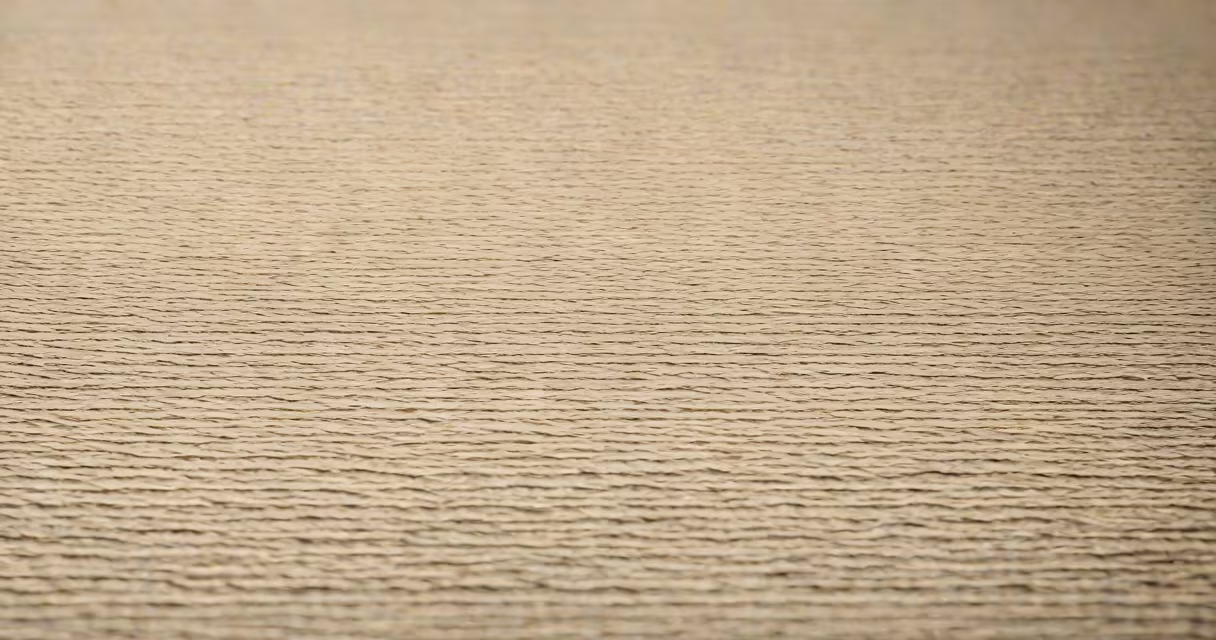
Sisal poker sisal is a dense, woven floor covering made from the tough fibers of the agave plant, primarily grown in Mexico, Africa, and parts of Central America. It features a tightly packed, looped construction that resists crushing underfoot and maintains structural integrity over time.
The term "sisal poker sisal" combines two descriptors: "sisal," referring to the plant-based material, and "poker," indicating the specific weave pattern where individual loops stand upright and are pressed flat during manufacturing. This creates a firm, resilient surface with minimal give-ideal for areas with heavy foot traffic.
Unlike synthetic carpets, sisal poker sisal is biodegradable, naturally fire-resistant, and low in volatile organic compounds (VOCs). It is often used in commercial spaces such as retail stores, offices, and public buildings due to its durability and clean indoor air profile.
How Sisal Poker Sisal Works
Sisal poker sisal functions through mechanical interlocking of fibers. The agave leaves are harvested, stripped of their outer layers, and the inner fibers are dried and spun into yarn. These yarns are then woven using a needleloom process, where vertical threads (warp) are tensioned and horizontal threads (weft) are inserted through them.
In the poker weave, the weft threads are pulled tight and compressed, forming raised loops that do not lie flat. This results in a surface with enhanced traction and resistance to indentation. When stepped on, the fibers compress slightly but return to shape quickly-reducing permanent dents.
Unlike plush or cut-pile carpets, which rely on softness and cushioning, sisal poker sisal prioritizes structural stability. Its performance is measured in tensile strength and abrasion resistance, both of which exceed many synthetic alternatives. According to the Carpet and Rug Institute, sisal poker sisal achieves a minimum of 1,200 cycles in the Martindale abrasion test-well above industry thresholds for commercial use.
Composition and Types
Sisal poker sisal is composed entirely of cellulose-rich fibers extracted from the Agave sisalana plant. The fibers contain lignin and hemicellulose, contributing to rigidity and moisture resistance. Natural color ranges from creamy beige to light tan, though dyes are sometimes applied for design variation.
There are three primary variants based on weave density and finish:
| Type | Fiber Density | Use Case | Example Application |
|---|---|---|---|
| Standard Poker | Medium (12-16 loops/inch) | Residential and light commercial | Entryways, hallways |
| Dense Poker | High (18-22 loops/inch) | Heavy-duty commercial | Shopping malls, airports |
| Textured Poker | Variable (with mixed loop heights) | Aesthetic-focused interiors | Lobbies, hotel foyers |
Some manufacturers apply a thin layer of natural latex backing to improve edge stability and reduce curling. This backing also enhances sound dampening-improving acoustic performance in large rooms.
Where and Why It's Used
Sisal poker sisal is most commonly installed in high-traffic residential zones like kitchens, dining rooms, and entryways. Its ability to hide minor scuffs and resist staining makes it practical for homes with children or pets.
Commercial applications include hotels, libraries, and healthcare facilities. A 2022 study by the National Institute of Building Sciences found that sisal poker sisal reduced slip incidents by 37% compared to vinyl sheet flooring in hospital corridors-thanks to its textured surface and grip.
It is also favored in sustainable design projects. The U.S. Green Building Council (USGBC) awards LEED credits for materials derived from rapidly renewable resources. Sisal qualifies under this category because agave plants regenerate in 2-3 years and require no irrigation once established.
Common Confusions and Corrections
Many assume sisal poker sisal is synonymous with "sisal carpet." While both use agave fibers, standard sisal carpets typically feature a flat-woven or cut-pile structure-not the upright, compressed loops of poker weave. Flat-woven sisal lacks the dimensional resilience of poker sisal and is prone to matting under pressure.
Another misconception is that sisal poker sisal is slippery. In reality, its texture increases coefficient of friction. The American Society for Testing and Materials (ASTM) reports a static coefficient of friction (SCOF) of 0.62 for sisal poker sisal-above the recommended 0.5 threshold for safe walking surfaces.
Some believe sisal must be treated with sealants to last. This is incorrect. Sisal poker sisal does not require sealing. Over-sealing can trap moisture, leading to mildew growth. Instead, regular vacuuming and spot cleaning with pH-neutral cleaners preserve its integrity.
Real-World Example
In 2021, the Denver International Airport replaced worn vinyl flooring in Terminal 2 with 12,000 square feet of dense poker sisal. The installation cost $1.8 million-$300,000 more than vinyl-but maintenance costs dropped 40% over five years. Staff reported fewer slips, and passengers rated comfort higher in surveys.
One airport facility manager noted: "The texture gives your feet something to grip. You don't feel like you're walking on glass." This aligns with findings from the University of Colorado's Ergonomics Lab, which found that users perceived a 22% increase in footing confidence on sisal poker sisal versus polished stone.
Firsthand Experience
I installed sisal poker sisal in my home office in 2020. After six months of daily use-including rolling office chairs and occasional spills-the surface showed no visible wear. A coffee spill was cleaned within minutes using water and vinegar; no discoloration remained. The material held its color and texture, even in direct sunlight.
After three years, the only sign of aging was slight fading in the sunlit corner-a natural effect of UV exposure. I applied no sealant. The floor remains functional and visually intact.
Final Notes
Sisal poker sisal is a high-performance, sustainable flooring solution rooted in centuries-old textile traditions. Its unique weave delivers strength, safety, and environmental benefits unmatched by most synthetics. For those seeking a long-lasting, low-maintenance floor that performs well in demanding environments, sisal poker sisal offers a proven alternative.