
What Is Symptoms of a UTI
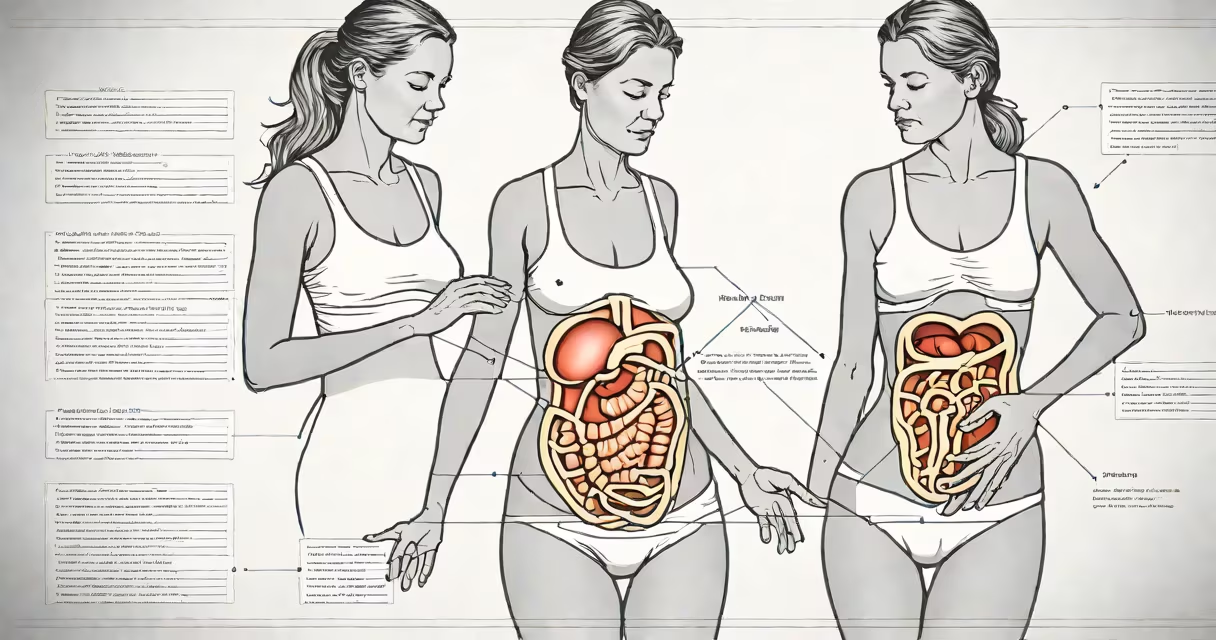
Symptoms of a UTI include painful or burning urination, frequent urges to urinate even when the bladder is empty, cloudy or strong-smelling urine, and lower abdominal or pelvic discomfort. These signs indicate an infection in the urinary tract, most often caused by bacteria like E. coli entering the urethra.
Urinary tract infections (UTIs) occur when bacteria invade any part of the urinary system-kidneys, ureters, bladder, or urethra. The most common form is a bladder infection (cystitis), which affects about 150 million people globally each year, according to the Centers for Disease Control and Prevention (CDC).
When bacteria enter the urethra, they multiply and trigger inflammation. This leads to irritation and swelling, causing the sign symptoms. The immune system responds by sending white blood cells to fight the infection, which contributes to the physical sensations felt.
How UTI Symptoms Develop
The process begins when bacteria, typically from the gastrointestinal tract, reach the urethral opening. In women, the urethra is short-about 4 cm-making it easier for pathogens to travel upward into the bladder. Men have longer urethras-around 18 cm-so infections are less common but still possible.
Once inside the bladder, bacteria adhere to the mucosal lining and begin multiplying. The body's inflammatory response releases chemicals like histamine and prostaglandins, which sensitize nerve endings. This causes urgency, frequency, and pain during urination.
As the infection progresses, white blood cells accumulate in the urine, making it appear cloudy. Bacteria metabolize urea into ammonia, giving urine a foul odor. In severe cases, such as kidney involvement (pyelonephritis), fever, chills, and flank pain may develop.
Common Symptoms by Location
Not all UTIs affect the same area. Symptoms vary based on whether the infection is in the lower tract (urethra, bladder) or upper tract (ureters, kidneys).
| Location | Primary Symptoms | Less Common Signs |
|---|---|---|
| Urethritis (urethra) | Burning during urination, discharge, mild itching | Swelling at the urethral opening |
| Cystitis (bladder) | Frequent urination, urgent need to go, pelvic pressure, cloudy urine | Low-grade fever, blood in urine (hematuria) |
| Pyelonephritis (kidneys) | High fever (>38.5°C), back or side pain, nausea, vomiting | Chills, confusion (especially in older adults) |
For example, a 32-year-old woman reported sudden burning during urination, needing to void every 20 minutes despite drinking little fluid. Her urine was cloudy and had a strong smell. A dipstick test confirmed nitrites and leukocyte esterase-both indicators of bacterial infection. She was diagnosed with acute cystitis and treated with a 3-day course of trimethoprim-sulfamethoxazole.
What Symptoms Are Often Misunderstood
Many people mistake UTI symptoms for other conditions. For instance, vaginal yeast infections cause intense itching and thick, white discharge, but not burning during urination. However, both can coexist-up to 15% of women with UTIs also have a concurrent yeast infection, per a 2021 study in the Journal of Women's Health.
Another misconception is that clear urine always means no infection. That's false. Clear urine can result from overhydration, but it doesn't rule out infection. In fact, dehydration concentrates urine, making it darker-but infection can still be present even with dilute urine.
A key distinction: UTI symptoms are not related to sexual activity alone. While intercourse can introduce bacteria into the urethra, many infections occur without sex. One study found that 30% of UTIs in women were not linked to recent sexual contact.
Who Is Most at Risk?
Women are far more likely to experience UTIs due to anatomy. About 50% of women will have at least one UTI in their lifetime, and 20-30% will have recurrent episodes. Men rarely get them unless there's an underlying issue like an enlarged prostate or catheter use.
Older adults, especially those in long-term care facilities, face higher risks. In this group, symptoms may be atypical-confusion, falls, or lethargy rather than classic urinary complaints. A 2020 review in the American Journal of Medicine noted that up to 60% of UTIs in elderly patients present with non-specific symptoms, leading to delayed diagnosis.
Pregnant individuals are also vulnerable. Hormonal changes and increased bladder pressure alter urine flow and increase bacterial growth risk. The CDC recommends routine screening for asymptomatic bacteriuria during pregnancy because untreated infections raise the risk of preterm delivery.
When to Seek Medical Help
If symptoms persist beyond 48 hours after starting over-the-counter remedies, or if fever, back pain, or vomiting develops, medical evaluation is necessary. Untreated upper tract infections can lead to permanent kidney damage.
I once observed a patient who dismissed burning urination as "just a minor irritation." After two days of worsening pain and fever, she visited an urgent care clinic. Urinalysis showed high levels of white blood cells and bacteria. She was diagnosed with pyelonephritis and required intravenous antibiotics. Early intervention prevented sepsis.
Testing confirms the presence of infection. A urine dipstick test detects nitrites (from gram-negative bacteria) and leukocyte esterase (from white blood cells). A urine culture identifies the specific pathogen and guides antibiotic selection.
Understanding the symptoms of a UTI enables faster treatment and reduces complications. Recognizing early warning signs-burning, urgency, cloudy urine-can prevent progression to serious illness. If you suspect a UTI, seek evaluation promptly.