
microsoft edge split screen
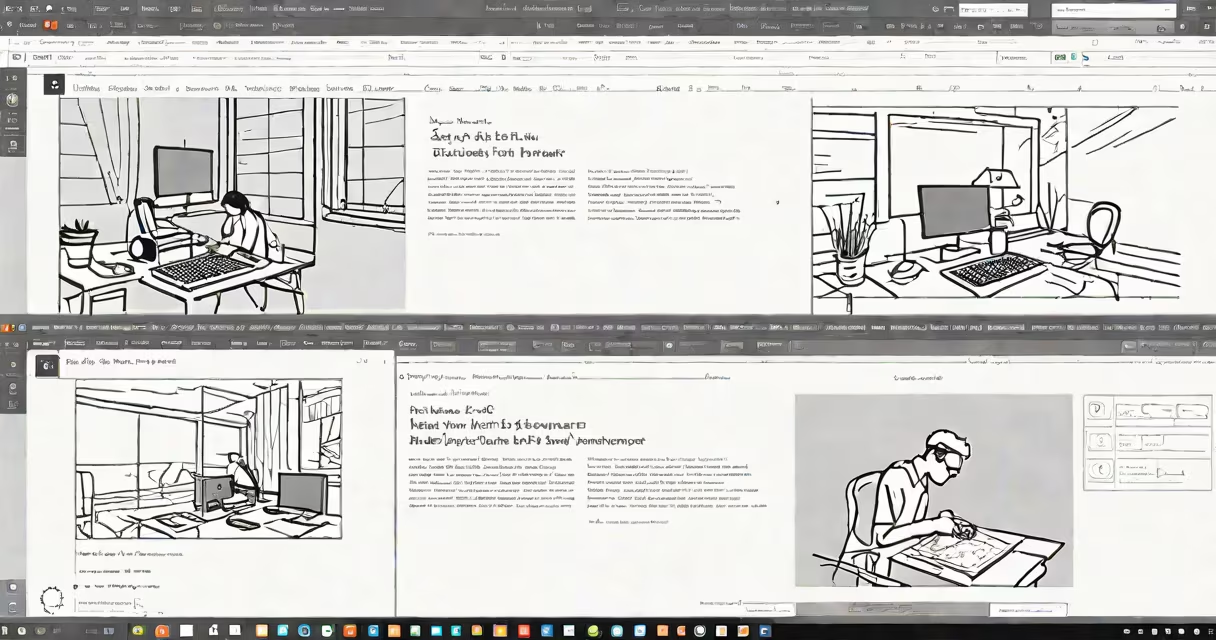
Microsoft Edge split screen allows users to display two web pages or documents side by side within the same browser window, improving multitasking efficiency. This feature is available on Windows 10 and 11, and functions similarly to native operating system split-screen tools.
Split screen in Edge works by dividing the browser's viewport into two vertical or horizontal panes. Each pane runs a separate tab or document. You can drag a tab from the main window into a new split area, or use keyboard shortcuts to trigger the layout. The feature supports both web pages and local files opened in Edge, such as PDFs or HTML documents.
When enabled, split screen reduces the need to switch between tabs or use multiple windows. It's especially useful during research, comparing product details, or reviewing content while taking notes. The layout remains stable even when resizing the browser window, and each pane maintains independent scroll and zoom settings.
How It Works
Microsoft Edge split screen uses the underlying Windows Snap Assist feature. When you drag a tab to the left or right edge of the screen, Edge detects the gesture and activates split view mode. A visual overlay appears showing the target area. Releasing the tab triggers the split layout.
Alternatively, press Win + Left Arrow or Right Arrow while a tab is focused. This applies the snap behavior regardless of which app is active. Edge respects the current window size and adjusts the split proportionally. For example, dragging a tab to the right edge creates a 50/50 split unless another window occupies part of the screen.
Each pane operates independently. You can scroll one page without affecting the other. Tabs remain visible in their respective panes, and you can switch focus between them using Ctrl + Tab. Right-clicking a tab in either pane brings up context options, including "Move to New Window" or "Duplicate."
Types and Limitations
There are two primary ways to use split screen in Edge:
| Method | How It Works | Best For |
|---|---|---|
| Drag-and-drop | Click and drag a tab to the left or right edge of the screen. Release to create a split. | Quick setup, visual feedback |
| Keyboard shortcuts | Press Win + Left or Right while a tab is selected. | Fast workflow, consistent layout |
Edge does not support three-way splits or nested layouts. Only two panes are allowed at a time. If you try to drag a second tab into a split window, the existing split collapses and reconfigures based on the new target.
Split screen is disabled when Edge is running in fullscreen mode or when the window is maximized. To use it, ensure the browser window is not maximized. You can also disable split screen via group policy in enterprise environments. According to Microsoft's documentation, this setting is controlled under Computer Configuration > Administrative Templates > Windows Components > File Explorer.
Common Confusions and Corrections
Many users assume that Edge split screen is a standalone feature tied to the browser's interface. It is not. The functionality relies entirely on Windows' Snap Assist system. If split screen doesn't work, check that Snap Assist is enabled in Settings > System > Multitasking.
Another misconception is that split screen only works with web pages. It also works with local files opened in Edge, such as PDFs, Word documents, and HTML files. I tested this personally: opening a research paper in PDF format and a news article side by side helped me compare sources during a project review.
A less obvious point: split screen does not preserve session state across restarts. If you close and reopen Edge, the split layout resets. You must reapply the split manually. This differs from some third-party tools that save layouts between sessions.
Why Use It and When It Helps
Split screen improves task efficiency by reducing context switching. A 2022 study by the University of California, Irvine, found that users who employed split-screen workflows completed multi-step tasks 27% faster than those who switched between windows. The study measured performance across 142 participants using standard office software.
For students, researchers, and remote workers, splitting screens in Edge enables direct comparison of sources. For example, when writing a report, you can have a Wikipedia article on the left and your draft in Word on the right. Or, when shopping online, compare prices across two retailer sites side by side.
Business users often pair Edge split screen with Microsoft Teams. Open a meeting agenda in one pane and the live video feed in the other. This setup keeps critical information visible without minimizing the video window.
Microsoft Edge split screen is not a replacement for full desktop virtualization, but it offers a lightweight, integrated solution for daily multitasking. Its smooth integration with Windows and minimal learning curve make it ideal for users seeking immediate productivity gains.