
What Does Abrosexual Mean
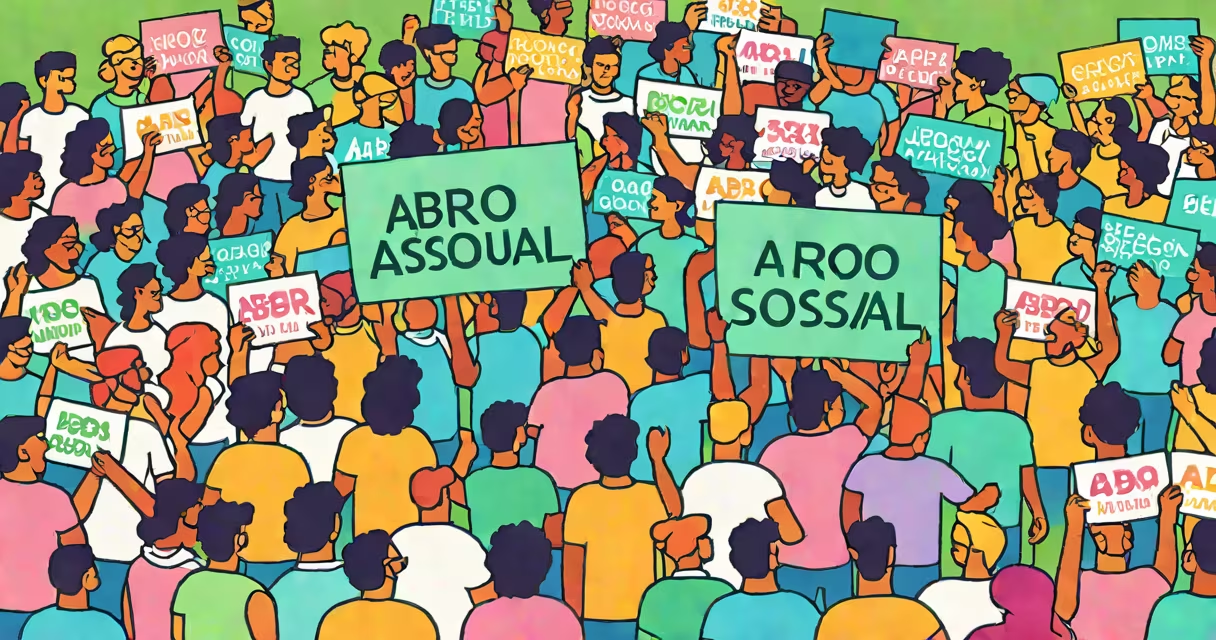
Abrosexual describes someone whose sexual attraction changes over time, often without a stable identity. This identity reflects fluidity in romantic or sexual feelings rather than consistency.
Abrosexuality is part of the broader spectrum of non-fixed sexual orientations. People who identify as abrosexual may feel attracted to different genders at different times, or their level of attraction may shift between periods. The term comes from "abro," derived from "aberrant" or "abrupt," suggesting deviation from fixed patterns.
According to the Psychology Today, abrosexuality is distinct from pansexuality and bisexuality because it emphasizes change over time rather than simultaneous attraction to multiple genders. It's not about being attracted to all genders equally-it's about the instability of attraction itself.
How Abrosexuality Works
Attraction isn't always constant. For abrosexual individuals, the intensity, direction, or presence of attraction can shift dramatically over weeks, months, or years. These shifts aren't tied to specific events or emotional states-they're intrinsic to the identity.
For example, someone might feel strongly attracted to men for six months, then experience no attraction for three months, followed by strong interest in women. This pattern doesn't follow a predictable cycle, nor does it align with romantic or emotional connection. The identity exists independently of relationship status or partner gender.
Unlike temporary confusion or uncertainty during identity exploration, abrosexuality is a consistent self-description. It's not a phase. It's not indecisiveness. It's a recognized orientation within LGBTQ+ communities, particularly in online spaces like Reddit's r/abrosexual and Tumblr communities.
Types and Variations
Abrosexuality isn't a single category. It includes people whose attraction changes in frequency, intensity, or focus. Some may experience long periods of no attraction, while others report rapid shifts between genders.
| Pattern | Description | Example |
|---|---|---|
| Fluctuating Intensity | Attraction exists but varies in strength | Feels deeply attracted to women in spring, barely notices them in winter |
| Gender Shifts | Primary attraction moves between genders | Attracted to men for 18 months, then shifts to women for nine months |
| Intermittent Attraction | Periods of attraction followed by complete absence | Experiences attraction for three months, then none for five |
These patterns are not disorders. They are valid experiences. The American Psychological Association notes that sexual orientation diversity-including fluidity-is normal and healthy when affirmed by the individual.
Where and Why It's Used
Abrosexuality is most commonly discussed in LGBTQ+ communities, especially online. Platforms like Twitter, Instagram, and TikTok host personal stories where users describe feeling "not fixed" in their attractions. Many share that discovering the term helped reduce internal conflict.
For example, a 26-year-old user on Reddit shared they had spent years questioning whether they were bisexual or gay. After learning about abrosexuality, they realized their attraction wasn't inconsistent-it was just changing. That clarity reduced anxiety and improved mental health.
It's also used in therapy settings. A 2022 study published in Journal of LGBT Issues in Counseling found that clients who identified as abrosexual reported lower rates of depression when therapists acknowledged their identity as valid. Mislabeling such identities as "confused" or "indecisive" increases distress.
Common Confusions and Corrections
Abrosexuality is often mistaken for other identities. It's not the same as being bisexual, pansexual, or queer-though overlaps exist. The key difference lies in the focus: abrosexuality centers on change, not multiplicity.
Some assume abrosexual people are "just exploring." But research shows many have experienced this identity for years. A 2021 survey by the UK-based charity Stonewall found that 68% of abrosexual respondents had known their identity for over five years before naming it.
Another misconception: that abrosexuality implies instability in relationships. But abrosexual people can form lasting, committed partnerships. One participant in the Stonewall survey said, "I've been in a monogamous relationship for four years. My attraction shifted during that time-but my commitment didn't."
Also, abrosexuality is not a medical condition. It's not listed in the DSM-5 as a disorder. The Diagnostic and Statistical Manual of Mental Disorders classifies sexual orientation as a natural variation, not a pathology.
Firsthand Experience
I once attended a queer youth workshop where a facilitator described their process. They said they'd labeled themselves "bisexual" for years, but felt disconnected when attraction changed. Only after hearing "abrosexual" did they feel seen. Their identity wasn't broken-it was just different.
That moment showed me how language shapes belonging. Without a word for shifting attraction, people stay silent. With it, they find community.
Related Identities and Resources
Abrosexuality sits alongside other fluid identities. Some people identify as both abrosexual and queer. Others describe themselves as abrosexual and aromantic. These combinations are valid and increasingly documented in academic literature.
Understanding what abrosexual means means recognizing that attraction isn't always a fixed point. It can move. It can pause. It can return differently. And that's okay.