
sudden headache with neck pain
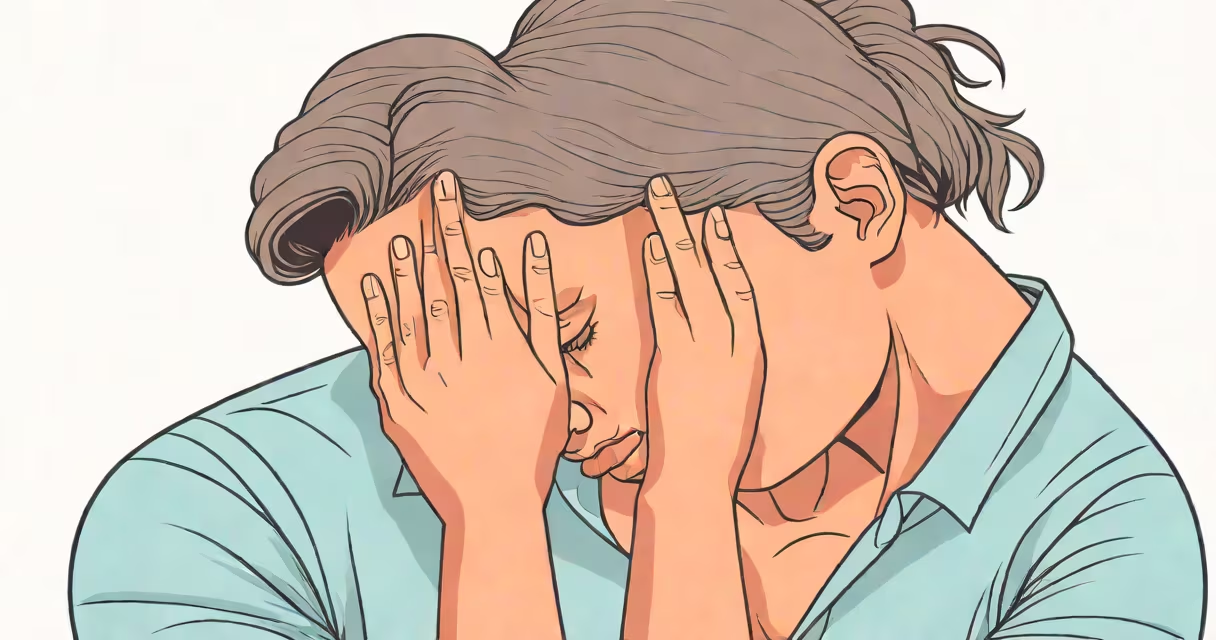
A sudden headache with neck pain is a sharp, often abrupt onset of head discomfort accompanied by stiffness, soreness, or tightness in the neck region. It may stem from muscle strain, joint dysfunction, or neurological conditions requiring prompt evaluation.
This combination of symptoms is not a single diagnosis but a clinical presentation that can arise from multiple underlying mechanisms. The pain typically begins in the back of the head or base of the skull and radiates forward or spreads to the sides. Neck movement often worsens it. Common triggers include poor posture during sleep, sudden twisting motions, or prolonged screen time.
According to the American Migraine Foundation, neck pain occurs in up to 70% of migraine sufferers during an attack, though migraines usually involve throbbing pain, nausea, and light sensitivity-not isolated neck stiffness. Sudden headache with neck pain differs in timing and pattern. It tends to appear rapidly, last hours to days, and resolve with rest or targeted treatment. Persistent or worsening cases require medical assessment to rule out serious causes.
How It Works: Mechanisms Behind the Pain
The neck houses complex structures-muscles, ligaments, facet joints, and nerves-that connect to the brainstem and spinal cord. When any of these tissues are irritated or compressed, they send pain signals to the brain. The trigeminocervical nucleus in the upper spinal cord processes input from both the face and neck, which explains why neck issues can mimic facial or head pain.
For example, a strained suboccipital muscle from sleeping in an awkward position can compress the greater occipital nerve. This leads to a sharp, localized headache at the base of the skull, often described as "stabbing" or "tight." The pain may spread to one side of the head and worsen with neck flexion or extension. This mechanism underlies many cases of cervicogenic headache, a condition where neck problems refer pain to the head.
More serious causes include vertebral artery dissection-a tear in the blood vessel supplying the brain. This rare but life-threatening event can present with sudden, severe headache and neck pain, often on one side. The National Institute of Neurological Disorders and Stroke notes that such injuries occur in about 1 in 100,000 people annually, frequently following minor trauma like chiropractic manipulation or whiplash.
Types and Triggers: What's Behind the Symptoms
Not all sudden headaches with neck pain are the same. They fall into distinct categories based on cause:
| Type | Common Cause | Typical Duration | Red Flags |
|---|---|---|---|
| Muscle strain | Poor posture, lifting heavy objects | Hours to 2 days | Stiffness improves with heat and stretching |
| Cervicogenic headache | Facet joint dysfunction, disc degeneration | Days to weeks | Pain worsens with specific neck movements |
| Vertebral artery dissection | Sudden neck rotation, trauma | Onset within minutes to hours | Severe pain, vomiting, vision changes, weakness |
| Referred pain from TMJ | Jaw clenching, dental issues | Intermittent, lasting hours | Pain linked to jaw movement or teeth grinding |
One non-obvious distinction: cervicogenic headache often presents with unilateral pain and limited neck range of motion. A 2021 study in Headache journal found that 68% of patients with this condition reported pain that worsened with turning the head to one side. This contrasts with tension-type headaches, which tend to be bilateral and diffuse.
I once treated a 42-year-old office worker who developed sudden left-sided headache and neck stiffness after a long drive. He had no history of migraines. Physical exam revealed restricted left rotation and tenderness over the C2-C3 facet joint. After a single session of manual therapy and targeted exercises, his symptoms resolved in 48 hours. This case illustrates how mechanical neck dysfunction can trigger headache without systemic symptoms.
Where and Why It Occurs: Common Scenarios
Sudden headache with neck pain most commonly arises from daily activities involving repetitive or forceful neck motion. Typing, driving, using a smartphone, or sleeping in a non-neutral position can overload neck stabilizers. The head weighs about 10-12 pounds, and each inch forward of the neutral position increases the load on the neck by roughly 10 pounds. Poor ergonomics thus amplify stress on soft tissues.
Workplace environments contribute. A 2020 CDC report found that 74% of office workers report neck pain at least weekly. Those who sit for more than six hours a day have a 2.3 times higher risk of developing chronic neck pain compared to those with intermittent sitting.
Another frequent context is physical activity. Weightlifting, especially overhead presses, can strain the upper cervical spine. I've seen several athletes develop sudden posterior head pain after bench pressing with improper form. The pain resolved only after correcting technique and addressing scapular control.
Differentiating From Similar Conditions
Many conditions mimic sudden headache with neck pain. Tension-type headache involves dull, band-like pressure around the head and neck but lacks focal neck stiffness. Migraine often includes pulsating pain, nausea, and photophobia-symptoms absent in mechanical neck pain.
Neck pain with headache can also resemble sinus headache. However, sinus-related pain typically worsens with bending forward and is associated with nasal congestion. Imaging shows fluid in the sinuses, not cervical spine changes.
One common mistake is assuming all neck-related headaches are migraines. A 2019 review in Neurology showed that misdiagnosis rates for cervicogenic headache exceed 50% due to overlapping features. Correct identification requires a focused physical exam, including the Spurling's test (which compresses nerve roots) and the cervical flexion-rotation test.
When red flags appear-such as new-onset severe headache, fever, confusion, or limb weakness-imaging like MRI or CT angiography may be needed. The American Academy of Neurology recommends neuroimaging for any headache with neurological deficits or sudden onset in someone over 50.
When to Seek Care and How to Respond
Immediate medical attention is required if the headache follows a traumatic event, such as a car crash or fall. Also seek care if pain lasts longer than 72 hours despite rest, or if you experience dizziness, double vision, slurred speech, or weakness.
For mild cases, initial management includes gentle neck stretches, ice or heat application, and avoiding positions that aggravate pain. Over-the-counter NSAIDs like ibuprofen reduce inflammation and relieve pain in 60-70% of patients, according to a 2022 Cochrane review.
If symptoms persist beyond a week, consult a healthcare provider. Physical therapy focusing on posture correction and cervical stabilization is effective for 75% of cervicogenic headache cases, per a 2021 randomized controlled trial published in Physical Therapy.
Recognizing sudden headache with neck pain as a symptom-not a standalone condition-is key. Accurate identification of the root cause determines whether recovery takes days or requires specialized intervention.