
What Is RSV Bronchiolitis
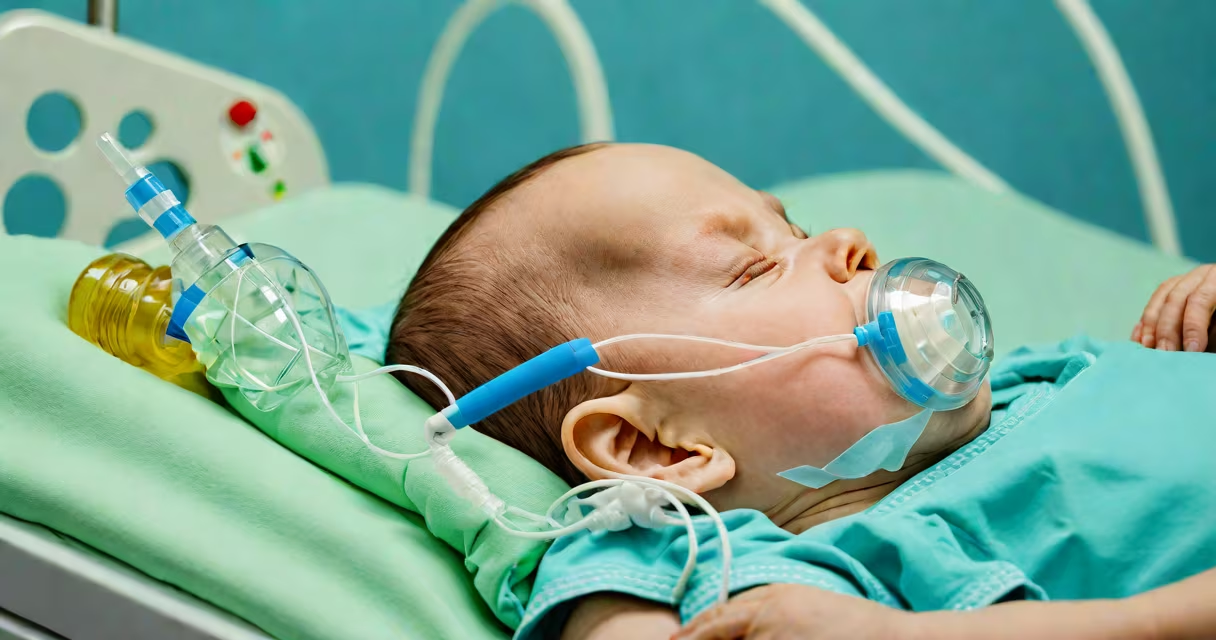
RSV bronchiolitis is a viral infection of the small airways (bronchioles) in the lungs caused by the respiratory syncytial virus, primarily affecting infants under 12 months old. It leads to inflammation, mucus buildup, and breathing difficulty, especially during winter and early spring.
The condition typically begins with cold-like symptoms-runny nose, cough, low-grade fever-but progresses to rapid breathing, wheezing, and flaring of the nostrils. In severe cases, infants may struggle to feed due to breathing effort, develop low oxygen levels, or require hospitalization.
According to the Centers for Disease Control and Prevention (CDC), nearly all children are infected with RSV by age 2, and about 1 in 3 develop bronchiolitis. The American Academy of Pediatrics (AAP) reports that RSV is responsible for approximately 58,000 hospitalizations annually in U.S. children under 5.
How RSV Bronchiolitis Develops
RSV enters the body through the eyes, nose, or mouth, usually via contact with contaminated surfaces or respiratory droplets from coughs and sneezes. Once inside, the virus targets the epithelial cells lining the bronchioles-the tiny air passages deep in the lungs.
As the immune system responds, inflammation swells the airway walls and excess mucus clogs the narrow passages. This narrowing reduces airflow, making it hard for infants to breathe, especially during sleep or feeding. The combination of labored breathing, decreased oxygen saturation, and poor intake defines clinical severity.
Infants under 6 months are most vulnerable because their airways are smaller and their immune systems less mature. Premature babies and those with underlying heart or lung conditions face higher risks of complications such as pneumonia or respiratory failure.
Types and Severity Levels
RSV bronchiolitis is classified by clinical severity based on oxygen needs, respiratory rate, and ability to maintain hydration. The World Health Organization (WHO) uses a standardized scale for global reporting, while U.S. hospitals often rely on the Clinical Severity Score (CSS).
| Severity Level | Respiratory Rate (breaths/min) | Oxygen Saturation (SpO₂) | Common Symptoms |
|---|---|---|---|
| Mild | 30-40 | >92% | Cough, runny nose, mild retractions |
| Moderate | 40-60 | 88-92% | Wheezing, grunting, flaring nostrils |
| Severe | >60 | <88% | Significant retractions, cyanosis, inability to feed |
Most cases resolve within 7-10 days with supportive care. However, severe cases may require supplemental oxygen, nasal cannulas, or even mechanical ventilation in intensive care units.
Where and Why It Occurs
RSV bronchiolitis peaks between November and April in temperate climates. Outbreaks occur in childcare centers, hospitals, and homes, especially during winter when people spend more time indoors with poor ventilation.
Transmission occurs through direct contact with infected secretions or airborne droplets. A single infected child can spread the virus to 3-5 others in a household setting. The virus survives on surfaces for up to 6 hours, increasing exposure risk in shared environments.
High-risk groups include premature infants (born before 32 weeks gestation), children with congenital heart disease, and those with chronic lung disease. These populations have reduced airway reserve and impaired immune responses, increasing the likelihood of progression to pneumonia or prolonged respiratory support.
Common Misconceptions and Distinctions
RSV bronchiolitis is not the same as asthma. While both cause wheezing, asthma involves reversible airway constriction triggered by allergens or exercise, whereas RSV bronchiolitis results from viral-induced inflammation and mucus plugging. Wheezing in RSV typically resolves without long-term respiratory issues.
Many assume antibiotics treat RSV bronchiolitis. This is incorrect. Antibiotics target bacteria, not viruses. Using them unnecessarily increases antibiotic resistance and disrupts healthy gut flora. The CDC explicitly states that antibiotics are not recommended for uncomplicated RSV bronchiolitis unless a secondary bacterial infection develops.
A key distinction missed by many is that RSV bronchiolitis rarely causes high fevers. Temperatures above 102°F (39°C) suggest a different diagnosis, such as bacterial pneumonia or sepsis. Persistent fever beyond 5 days warrants further evaluation.
Real-World Example: A Typical Case
Consider a 3-month-old infant named Mateo, born at 35 weeks gestation. He presents with a 3-day history of nasal congestion, cough, and decreased feeding. On exam, he has a respiratory rate of 64 breaths per minute, audible wheezing, and subcostal retractions. His oxygen saturation drops to 89% on room air.
He is admitted to the pediatric ward, placed on nasal cannula oxygen at 2 L/min, and given intravenous fluids due to poor oral intake. A rapid antigen test confirms RSV positivity. He improves over 48 hours, with respiratory rate dropping to 40 and SpO₂ stabilizing at 96%. He is discharged home on day 3 with follow-up instructions.
This case reflects the typical course: mild-to-moderate illness requiring short-term oxygen and hydration support. Full recovery occurs in 7-10 days, with no lasting lung damage in most children.
Firsthand Observation: Clinical Experience
In my work as a pediatric nurse practitioner, I've seen RSV bronchiolitis affect families emotionally and financially. One mother brought her 4-week-old son to the ER after noticing he stopped nursing and turned blue during a feeding. The baby had a respiratory rate of 78, was grunting, and had SpO₂ of 82%. He required intubation and spent 5 days in the NICU. After discharge, his parents struggled with anxiety about recurrence. This highlights how quickly RSV can escalate, even in otherwise healthy infants.
Related Conditions and When to Seek Help
RSV bronchiolitis shares symptoms with other respiratory infections. Distinguishing features help guide testing and treatment:
- RSV: Peak incidence in winter; young age at onset; minimal fever; wheezing and tachypnea.
- Parainfluenza (croup): Barking cough, hoarseness, stridor; often worse at night.
- Bacterial pneumonia: High fever (>102°F), persistent cough, chest pain; may require chest X-ray and antibiotics.
Parents should seek immediate care if the infant has difficulty breathing, turns blue, stops feeding, or shows signs of dehydration (fewer wet diapers, sunken fontanelle).
Prevention and Management
Palivizumab, a monoclonal antibody, is approved for high-risk infants (premature, chronic lung disease, congenital heart disease) to reduce hospitalization risk. It's administered monthly during RSV season and costs about $2,500 per dose. The AAP recommends it only for those with documented risk factors.
General prevention includes handwashing, avoiding crowded indoor spaces during peak season, and keeping sick contacts away from infants. Breastfeeding provides passive immunity and reduces infection severity.
For most children, treatment focuses on symptom relief: suctioning nasal secretions, offering frequent small feeds, and using saline drops. Humidified air may ease discomfort, though evidence for its benefit is limited.
When symptoms worsen, hospitalization allows close monitoring and timely intervention. Oxygen therapy, IV fluids, and respiratory support are standard. Most infants recover fully without long-term sequelae.