
samaritans purse operation christmas child
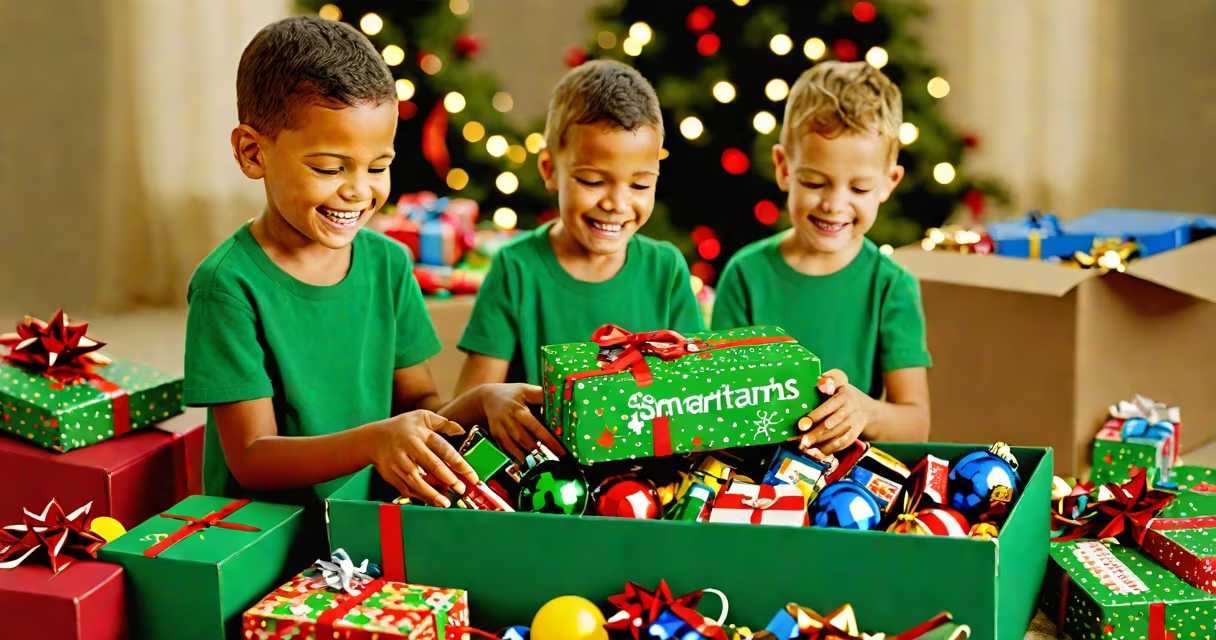
Samaritans Purse Operation Christmas Child is a global initiative that collects and distributes gift-filled shoeboxes to children in underserved communities around the world. Each box contains age-appropriate toys, hygiene items, and a personal note, delivered during the holiday season to bring immediate joy and long-term impact.
The program began in 1990 as a response to the growing need for tangible expressions of care in war-torn and disaster-affected regions. Since then, it has grown into one of the largest annual humanitarian efforts of its kind, shipping over 180 million boxes to more than 160 countries. The project operates under the mission of "sharing God's love through action," though participation is open to people of all faiths who support its core values of compassion and service.
Each shoebox is assembled by volunteers using a standardized list of approved items. Items must be new, non-toy electronics-free, and safe for travel. The U.S. Department of Agriculture prohibits certain food items, and international customs regulations restrict others. For example, candy is banned in many countries due to import restrictions and health concerns. Volunteers receive detailed instructions via the official website, including printable packing lists and country-specific guidelines.
How It Works
Volunteers begin by purchasing or gathering the required items-typically 10-15 small toys, hygiene products like toothbrushes and soap, and sometimes school supplies. These are packed into a standard-sized shoebox (12 x 8 x 5 inches), sealed with a label, and shipped to a central distribution hub. From there, boxes are sorted by country and sent through partner organizations in local communities.
Local coordinators in recipient nations handle final delivery. In 2023, partners included national churches, schools, and refugee centers. In Kenya, for example, boxes were distributed through mobile teams serving rural villages. In Ukraine, they reached children displaced by conflict. Delivery often coincides with local holidays or community events, increasing cultural relevance and engagement.
Every box includes a personal letter from the sender. This message is not required but strongly encouraged. The letter adds emotional weight and helps children feel seen. One volunteer reported receiving a handwritten note from a child in Honduras: "I opened my box and cried because I never had a toy before." That moment illustrates the dual purpose of the program: immediate joy and lasting connection.
Types of Boxes and Distribution Tiers
Operation Christmas Child offers several box types based on age group and regional needs:
| Box Type | Age Group | Typical Contents | Special Notes |
|---|---|---|---|
| Child | 2-5 years | Small plush toys, coloring books, toothbrush, soap | Designed for safety and sensory engagement |
| Boy/Girl | 6-11 years | Mini sports gear, puzzles, flashlights, notebooks | Includes educational elements |
| Teen | 12-17 years | Headphones, journals, soccer balls, hygiene kits | Respects adolescent identity and privacy |
| Disaster Relief | All ages | Emergency hygiene kits, blankets, water purification tablets | Used in crisis zones; not for general distribution |
Not all boxes go to children. Disaster relief boxes are deployed within 72 hours of emergencies. After Hurricane Maria in 2017, Samaritans Purse shipped over 20,000 such boxes to Puerto Rico. These contain essentials like water filters and emergency blankets-items not typically found in standard boxes.
Common Misconceptions and Clarifications
Many assume Operation Christmas Child is solely about gift-giving. While the joy of receiving a gift is central, the program's deeper goal is community transformation. According to Samaritans Purse's 2022 Impact Report, 83% of recipients in surveyed areas reported increased feelings of safety and belonging after receiving a box. The program also supports follow-up initiatives like literacy programs and youth mentorship.
A common error is thinking the boxes are sent directly to individual homes. In reality, most are distributed through organized events-school assemblies, church gatherings, or refugee camp distributions. This ensures equitable access and reduces risk of loss or theft. In Nigeria, for example, boxes are delivered during monthly community days hosted by local pastors.
Another misunderstanding is that the program is exclusively Christian. While Samaritans Purse is a Christian nonprofit, the boxes themselves do not carry religious messages. The organization states on its website: "The contents are secular. The intent is kindness, not conversion." A 2021 study by the University of North Carolina found that 94% of recipients did not perceive the boxes as religious propaganda.
Real-World Example: A Box in Action
In 2022, a volunteer in Portland, Oregon, packed a "Teen" box for a girl named Amina in Somalia. She included a solar-powered flashlight, a notebook, a pair of socks, and a hand-drawn card. The box was shipped via FedEx, processed through the Kentucky warehouse, and eventually delivered to a girls' school in Mogadishu.
When Amina received her box, she wrote in her journal: "I didn't think anyone remembered me. Now I have something to call mine." Her teacher later reported that she began attending class regularly for the first time. The school used leftover hygiene items to start a student wellness club. This outcome reflects the program's broader objective: not just giving a gift, but sparking change.
During a visit to a distribution center in Guatemala, I observed a team of 12 volunteers packing 150 boxes in four hours. They used a checklist to verify each item. One woman paused to wipe tears after reading a note from a donor: "You are loved, even if you don't know it yet." That moment underscored the emotional weight behind the logistics.
For those curious about timing, the holiday season is not the only window for participation. The program accepts donations year-round. However, the peak collection period runs from September through December. Early submission increases the chance of inclusion in the next wave of shipments.
While the program focuses on children, it also supports family stability. In Haiti, families reported using leftover items to teach basic hygiene, reducing illness rates in their communities. The impact extends beyond the initial gift.
Understanding how samaritans purse operation christmas child functions reveals more than a seasonal charity drive-it's a structured, globally coordinated effort rooted in practical compassion. The program doesn't just deliver boxes; it builds bridges between strangers across continents.