
What Causes Red Spots on Body
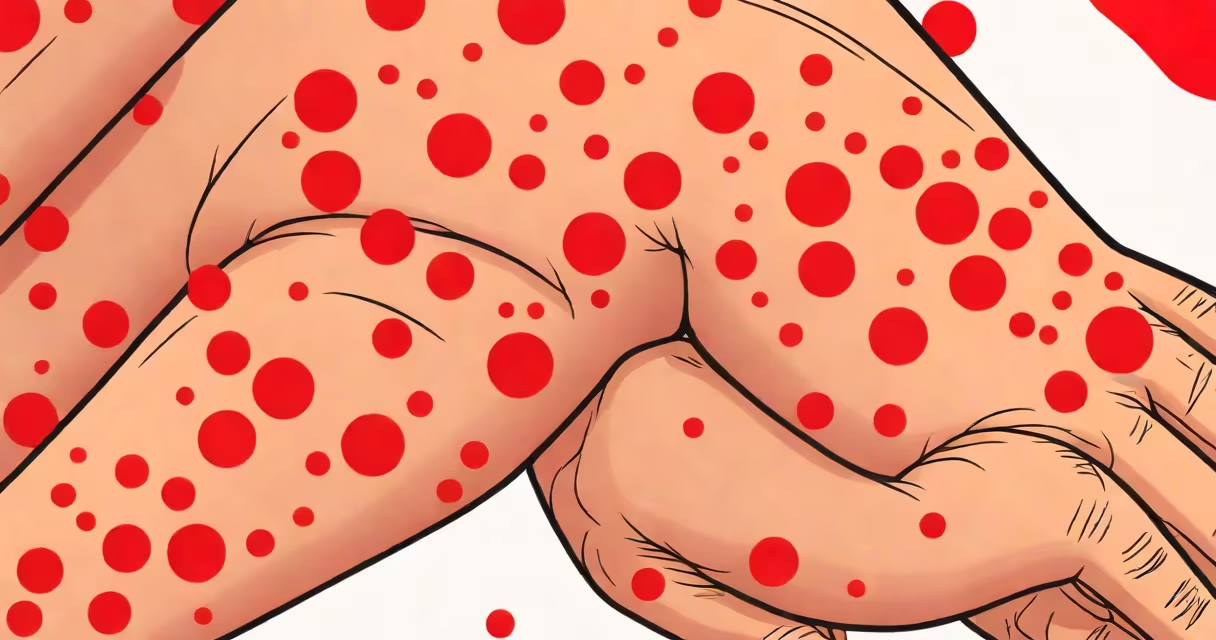
Red spots on the body appear due to inflammation, blood vessel dilation, or abnormal skin cell activity. They may result from allergic reactions, infections, autoimmune diseases, or environmental triggers. Identifying the cause requires evaluating location, pattern, duration, and accompanying symptoms.
These spots form when capillaries near the skin's surface leak fluid or dilate, causing visible discoloration. The underlying mechanism varies: irritation from allergens triggers histamine release, infections activate immune responses, and autoimmune conditions lead to misdirected attacks on skin tissue. Not all red spots are concerning-some resolve within hours, while others persist for days or weeks.
Common triggers include insect bites, contact with irritants like poison ivy, viral infections such as measles or chickenpox, bacterial infections like impetigo, or systemic conditions like lupus or psoriasis. A spot that spreads rapidly, blanches under pressure, or appears with fever warrants prompt evaluation.
How Red Spots Develop on Skin
When the skin detects a threat-be it a pathogen, chemical, or immune system error-it initiates an inflammatory response. Blood vessels widen to deliver immune cells to the area. Fluid leaks into surrounding tissue, causing swelling and redness. This process manifests visibly as red spots or patches.
For example, a mosquito bite releases saliva proteins that trigger local histamine release. Within minutes, a small red bump forms around the puncture site. In contrast, a streptococcal infection can cause scarlet fever, which produces a diffuse, sandpaper-like rash covering the trunk and limbs. The difference lies in the scale and systemic involvement.
Some conditions cause spots that don't fade when pressed. These are petechiae-tiny hemorrhages from broken capillaries. They indicate possible clotting issues or severe infections like meningococcemia. Petechiae often appear in clusters and do not blanch under glass.
Types of Red Spots and Their Origins
Different patterns help distinguish between causes. The table below outlines key types based on appearance, distribution, and associated symptoms.
| Type | Appearance | Common Causes | Associated Symptoms |
|---|---|---|---|
| Macules | Flat, discolored areas | Allergies, viral rashes, drug reactions | Itching, fatigue, mild fever |
| Papules | Raised, solid bumps | Acne, eczema, insect bites | Itchiness, tenderness, occasional pain |
| Pustules | Bumps filled with pus | Bacterial infections (e.g., impetigo) | Warmth, crusting, localized pain |
| Target lesions | Concentric rings with central clearing | Drug eruptions, Lyme disease, erythema multiforme | Fever, joint pain, malaise |
Target lesions-also called "bull's-eye" rashes-are a sign of Lyme disease, caused by Borrelia burgdorferi bacteria transmitted through tick bites. According to the Centers for Disease Control and Prevention (CDC), about 70-80% of infected individuals develop a characteristic expanding rash at the bite site within 3-30 days.
Another non-obvious distinction: not all red spots are inflammatory. Some, like purpura, result from bleeding beneath the skin. Purpura does not blanch under pressure and can indicate serious conditions such as thrombocytopenia or vasculitis. A single purple spot larger than 1 cm is classified as a purpura lesion.
Common Misconceptions and Confusions
Many assume red spots always signal infection. That's incorrect. Viral illnesses like roseola cause high fever followed by a sudden rash, but the rash itself is not contagious. Similarly, heat rash (miliaria) appears as tiny red dots in sweat-prone areas but results from blocked sweat ducts-not microbes.
People often confuse eczema with fungal infections. Both can produce red, scaly patches, but fungal rashes typically have well-defined borders and thrive in warm, moist environments. Eczema, however, tends to flare in dry conditions and shows lichenification (thickened skin) with chronic scratching.
A personal observation: during a summer hiking trip, I developed widespread red spots after wearing synthetic hiking socks. The rash was symmetrical, intensely itchy, and worsened with moisture. After switching to wool and using antihistamines, it resolved in 48 hours. This was contact dermatitis from sweat accumulation and material irritation-not an infection.
When to Seek Medical Attention
Red spots require medical evaluation if they spread rapidly, appear with fever, affect mucous membranes, or cause difficulty breathing. The American Academy of Dermatology notes that sudden onset of widespread redness with blistering may indicate Stevens-Johnson syndrome-a life-threatening reaction to medications like sulfonamides or anticonvulsants.
Spots that persist beyond seven days, recur frequently, or occur alongside joint pain, weight loss, or mouth ulcers suggest systemic illness. Autoimmune conditions such as systemic lupus erythematosus (SLE) can present with a malar rash-redness across the cheeks and nose resembling a butterfly pattern. This specific sign occurs in approximately 30% of SLE patients, according to the Lupus Foundation of America.
If you notice pus-filled lesions, warmth, or swelling, consider bacterial infection. Impetigo, for instance, begins as small red sores that rupture and form honey-colored crusts. Left untreated, it can progress to cellulitis, requiring antibiotics.
Red spots on the body are not a single condition but a symptom of diverse processes. Accurate diagnosis depends on clinical context, physical exam findings, and sometimes laboratory testing. Do not rely solely on internet images-many skin conditions mimic one another. When in doubt, consult a healthcare provider.