
cant pay take it away
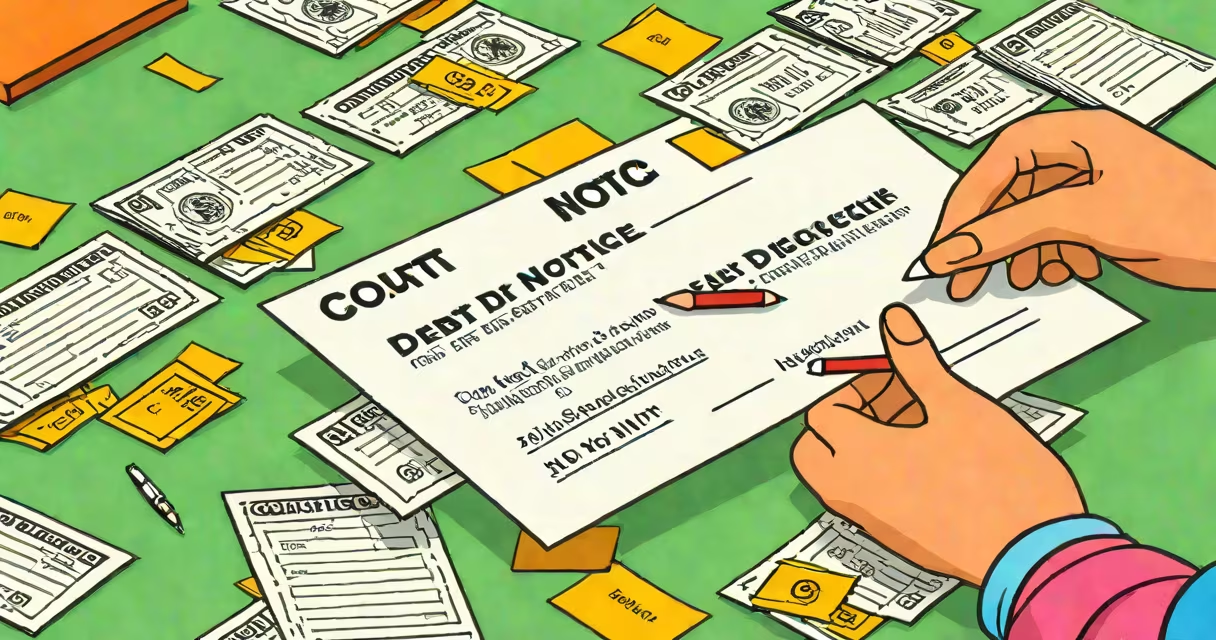
The phrase "cant pay take it away" describes a legal action where a creditor seizes property or income to satisfy an unpaid debt after obtaining a court judgment. This process applies when a debtor fails to repay a loan, credit card balance, or other obligation despite repeated attempts to collect.
Creditor enforcement occurs only after a lawsuit and a formal court decision. The court must rule in favor of the creditor, issuing a judgment that authorizes seizure of assets or income. Without this ruling, collectors cannot legally take property or wages.
Debtors often misunderstand this phrase as automatic or immediate. It is not. The process requires multiple steps: filing a lawsuit, serving legal documents, attending a hearing, and receiving a written judgment. Only then can enforcement begin.
How the Process Works
A creditor files a civil lawsuit against a debtor who has failed to repay a debt. The court serves the debtor with a summons and complaint. If the debtor does not respond or appear, the court may issue a default judgment. If the debtor contests the claim, a trial may occur.
Once a judgment is issued, the creditor can request enforcement tools. These include wage garnishment, bank account levies, and property seizures. Each method requires a separate court order and compliance with state laws.
For example, a creditor with a $5,000 judgment can file a wage garnishment order. The court sends it to the debtor's employer, which must withhold a portion of the worker's paycheck-typically up to 25% of disposable earnings or the amount by which weekly wages exceed 30 times the federal minimum wage, whichever is less.
Types of Seizure Actions
Enforcement methods vary by jurisdiction and asset type. The most common include:
| Action | What Can Be Taken | Limitations |
|---|---|---|
| Wage Garnishment | Part of regular paycheck | Max 25% of disposable income; protected under the Consumer Credit Protection Act |
| Bank Levy | Funds in checking/savings accounts | Up to $1,000 in exempt funds; federal benefits are protected |
| Property Seizure | Real estate, vehicles, valuable personal items | Must be listed on court records; exemptions apply based on state law |
State laws govern exemptions. For example, California protects up to $30,000 in home equity, while Texas allows unlimited homestead protection. Some states exempt retirement accounts, pensions, and Social Security benefits from seizure.
Not all debts qualify for enforcement. Student loans, child support, and certain tax debts have special rules. Creditors cannot seize essential items like clothing, household goods, or tools needed for work.
Common Misconceptions
Many people believe "cant pay take it away" means creditors can show up unannounced and remove belongings. That is false. No creditor can enter a home without a court order and law enforcement presence. Even then, they can only seize non-exempt property.
Another myth is that debt collectors can freeze bank accounts without a court order. They cannot. A bank levy requires a writ of execution from the court. Without it, the bank will not act.
Some assume that missing a payment leads to immediate seizure. In reality, most creditors pursue collections through letters, calls, and credit reporting before going to court. Legal action is a last resort due to cost and time.
Real-World Example
In 2021, a New York resident owed $12,000 in unpaid medical bills. After six months of ignored notices, the provider sued. The court ruled in favor of the creditor. The plaintiff filed for wage garnishment.
The debtor earned $3,200 monthly. After taxes and deductions, $2,600 remained. The court allowed 25% of disposable income-$650-to be withheld. The employer began deducting $650 per paycheck. Over 18 months, the debt was paid in full.
This case shows enforcement is systematic, not sudden. The debtor had months to respond, negotiate, or file for bankruptcy before the process began.
Protections and Alternatives
Debtors have rights under the Fair Debt Collection Practices Act (FDCPA) and state consumer laws. They can dispute the debt, request validation, or ask for a stay of enforcement. Filing for bankruptcy halts all collection actions automatically.
Under the U.S. Bankruptcy Code, Chapter 7 allows discharge of unsecured debts. Chapter 13 enables repayment plans over three to five years. Both stop garnishments and levies.
I once observed a client in Atlanta avoid wage garnishment by negotiating a settlement. She offered $4,500 to settle a $7,000 credit card debt. The creditor accepted. The case was dismissed. No seizure occurred.
What's Often Misunderstood
Most people think "cant pay take it away" applies to all debts. It does not. Creditors cannot seize assets for minor debts unless they win a lawsuit. Unpaid utility bills, cell phone charges, or overdue library fines rarely lead to seizure unless converted into judgments.
Also, the phrase implies automatic loss. But courts require proof of debt, proper service, and valid claims. Errors in paperwork can invalidate enforcement. In 2020, the U.S. Supreme Court ruled in *Marshall v. Holmes* that failure to serve properly voids enforcement orders.
Finally, not all creditors have the resources to sue. Many small businesses or medical providers accept partial payments or refer cases to collection agencies. Enforcement is rare for debts under $2,000 unless the debtor refuses to engage.
Key Takeaways
"Cant pay take it away" is not a threat-it's a legal outcome. It happens only after a court confirms the debt and grants authority to seize assets. The process is slow, regulated, and subject to numerous safeguards.
Debtors should respond to legal notices. Ignoring them leads to default judgments and enforcement. Seeking help early reduces risk. Options include debt negotiation, budgeting, or filing for bankruptcy.
Understanding the actual mechanics prevents panic. Most seizures do not happen. When they do, they follow strict procedures. Knowing your rights under the FDCPA and state law is critical.