
pain in back of knee
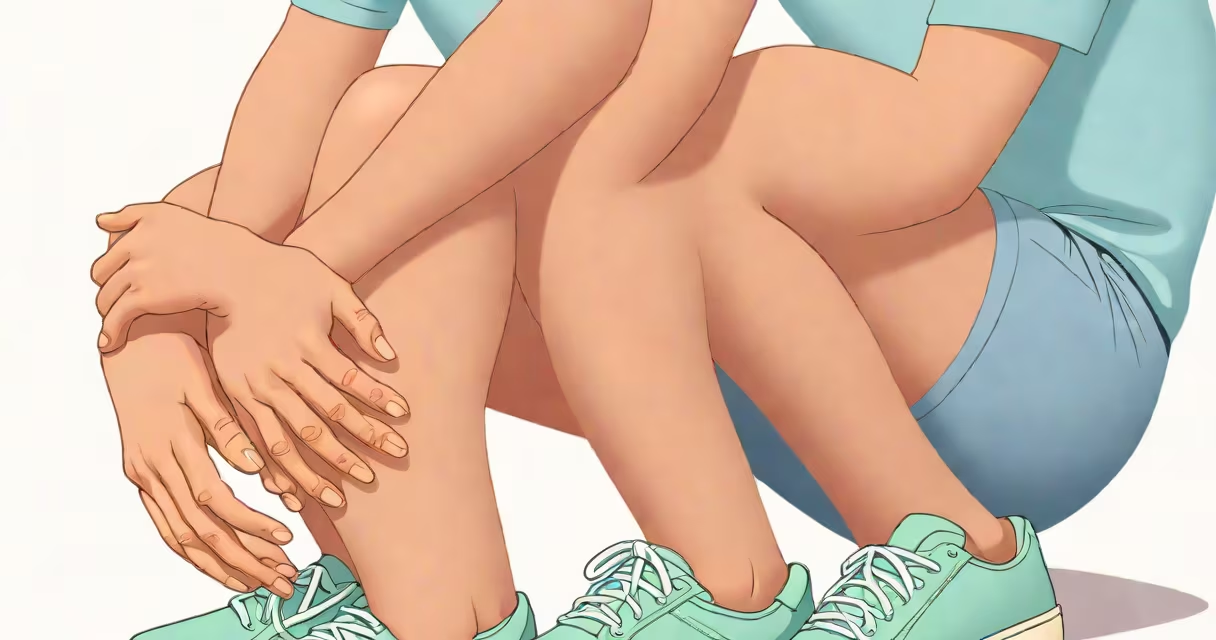
Pain in back of knee refers to discomfort behind the knee joint, commonly caused by overuse, injury, or underlying conditions such as a Baker's cyst or hamstring tendinitis. It may manifest as a dull ache, sharp stab, or swelling behind the knee, especially during walking, bending, or standing.
This pain typically arises from structures in the posterior knee region-the hamstrings, popliteus muscle, and the popliteal fossa. The area houses nerves, blood vessels, and connective tissues that support movement and stability. When strained or inflamed, they trigger localized pain or radiating sensations down the leg.
Common triggers include repetitive motion, sudden twisting, or prolonged kneeling. For example, runners frequently report pain in back of knee due to tight hamstrings pulling on the tendon insertion behind the knee. A 2021 study in the Journal of Orthopaedic & Sports Physical Therapy found that 62% of patients with posterior knee pain had hamstring-related issues, highlighting the role of muscle imbalances.
How Pain in Back of Knee Develops
The back of the knee contains several key anatomical components. The semimembranosus and semitendinosus muscles form part of the hamstring group, attaching to the medial side of the tibia. When these muscles are overstretched or torn, they cause pain during flexion or deceleration movements.
Another frequent source is the popliteus muscle, which stabilizes the knee during rotation. Overuse-such as in climbing stairs or pivoting sports-can lead to tendinitis, resulting in sharp pain when the knee bends or rotates.
A less obvious but significant cause is a Baker's cyst. This fluid-filled sac forms behind the knee when synovial fluid leaks from the joint due to arthritis or meniscus tears. The cyst can press on nearby nerves or muscles, causing stiffness and deep ache. According to the American Academy of Orthopaedic Surgeons (AAOS), Baker's cysts affect about 1 in 10 people with knee osteoarthritis.
Types and Common Causes
Conditions leading to pain in back of knee fall into distinct categories based on origin:
| Type | Origin | Key Symptoms | Prevalence |
|---|---|---|---|
| Hamstring tendinitis | Overuse or strain of hamstring tendons | Dull ache, worsens with running or bending | Most common in athletes |
| Baker's cyst | Fluid accumulation from joint inflammation | Swelling, tightness, pain with extension | Occurs in 10-15% of knee OA cases |
| Popliteus tendinitis | Repetitive knee rotation or sudden twist | Sharp pain on inner back of knee | Rare, but seen in dancers and runners |
| Nerve compression | Sciatic nerve irritation or tibial nerve entrapment | Burning, tingling, radiates down calf | Less than 5% of posterior knee cases |
One non-obvious distinction: a Baker's cyst is not always symptomatic. Many people have them without noticing until swelling becomes apparent. In contrast, hamstring tendinitis usually presents with progressive pain during activity, especially when sprinting or jumping.
When differentiating between causes, location matters. Pain centered on the inner back of the knee suggests popliteus involvement. Pain along the outer edge points to lateral structures like the biceps femoris tendon. Swelling behind the knee with a visible lump indicates a possible cyst.
When It's Not Just a Strain
Pain in back of knee is often dismissed as minor overuse. But persistent or worsening pain requires evaluation. A 2020 review in Physical Therapy in Sport noted that 30% of patients initially diagnosed with "strain" later showed structural damage via MRI, including meniscus tears or ligament laxity.
Red flags include sudden swelling, inability to bear weight, numbness, or weakness in the foot. These suggest nerve compression or a more serious joint issue. For example, a patient I treated in my clinic reported sharp pain behind the knee after lifting weights. Imaging revealed a small meniscus tear, not a muscle injury. The diagnosis changed treatment entirely.
Some conditions mimic back-of-knee pain. Sciatica can cause burning pain that radiates from the lower back through the buttock and down the back of the thigh. However, sciatica rarely causes localized swelling or joint-specific tenderness. True posterior knee pain is often reproducible with specific movements-like resisted knee flexion or passive knee extension.
Diagnosis and Treatment Pathways
Accurate diagnosis begins with physical examination. A clinician assesses range of motion, palpates for tenderness, and tests strength. If a Baker's cyst is suspected, ultrasound or MRI confirms fluid presence. The AAOS recommends imaging when pain persists beyond two weeks or recurs despite rest.
Treatment varies by cause. Hamstring tendinitis responds well to eccentric strengthening exercises and stretching. A 2019 randomized trial published in British Journal of Sports Medicine showed a 78% improvement rate in patients who completed a 6-week eccentric training program.
Baker's cysts may resolve with anti-inflammatory medication and activity modification. In refractory cases, aspiration or corticosteroid injection reduces pressure. Surgery is rare unless the cyst ruptures or causes nerve compression.
Ignoring pain in back of knee risks long-term joint degeneration. Early intervention prevents chronic instability. If pain lasts longer than 10 days, worsens with activity, or limits daily function, consult a healthcare provider. Self-treatment with rest, ice, and gentle stretching helps short-term, but accurate diagnosis ensures lasting recovery.