
Does arthritis affect your eyes
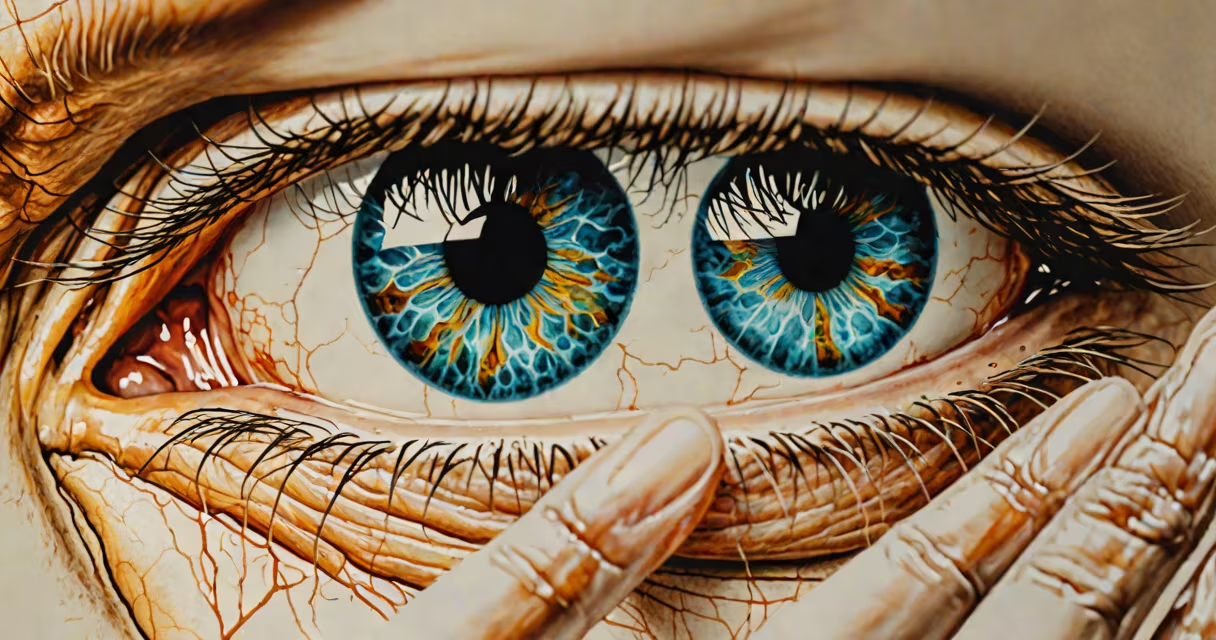
Yes, certain types of arthritis-especially autoimmune forms like rheumatoid arthritis and psoriatic arthritis-can cause eye inflammation, most commonly uveitis, which may lead to blurred vision, light sensitivity, and even permanent vision loss if untreated.
Arthritis is primarily known for joint pain and stiffness, but systemic inflammatory conditions can impact other organs. The eyes are particularly vulnerable because they contain delicate vascular tissues that react strongly to immune system disruptions. When the immune system attacks the body's own tissues, it can mistakenly target the uveal tract-the middle layer of the eye responsible for regulating blood flow and maintaining intraocular pressure.
Uveitis occurs in about 1-3% of people with rheumatoid arthritis and up to 10% of those with psoriatic arthritis, according to the American Academy of Ophthalmology. These numbers reflect underdiagnosis; many cases go unnoticed until symptoms worsen. Early detection is critical, as untreated uveitis can result in cataracts, glaucoma, or retinal detachment.
How arthritis causes eye issues
Autoimmune arthritis triggers chronic inflammation that spreads beyond joints. Immune cells migrate to tissues with high blood vessel density, including the iris, ciliary body, and choroid-collectively called the uvea. When these areas swell, they disrupt fluid balance and damage photoreceptors.
For example, a 2021 study published in Arthritis & Rheumatology found that patients with HLA-B27-positive spondyloarthritis had a 12-fold higher risk of developing anterior uveitis compared to the general population. This genetic marker increases susceptibility to both spinal and ocular inflammation, linking back to shared immune pathways.
Systemic inflammation also reduces tear production, contributing to dry eye syndrome-a condition affecting nearly 40% of people with autoimmune arthritis, per the National Eye Institute. Dryness leads to irritation, redness, and increased infection risk, further complicating eye health.
Types of arthritis linked to eye problems
Not all arthritis types carry equal eye risks. The strongest associations exist between autoimmune and inflammatory arthritides:
| Type | Common Eye Complications | Prevalence Rate |
|---|---|---|
| Rheumatoid arthritis (RA) | Uveitis, episcleritis, dry eye | 1-3% |
| Psoriatic arthritis (PsA) | Anterior uveitis, conjunctivitis | up to 10% |
| Sjögren's syndrome (autoimmune connective tissue disorder) | Severe dry eye, corneal ulcers | 70-80% of patients |
| Ankylosing spondylitis (AS) | Acute anterior uveitis, recurrent episodes | 20-40% of HLA-B27+ individuals |
These conditions share common inflammatory markers such as TNF-alpha and IL-17, which promote immune cell infiltration into ocular tissues. Treatments targeting these cytokines-like adalimumab or secukinumab-often improve both joint and eye symptoms.
A key distinction often missed: arthritis-related eye issues are not due to mechanical pressure from joint swelling. They stem from immune-mediated damage, meaning treatment must address systemic inflammation, not just local symptoms.
Recognizing eye warning signs
Early symptoms of uveitis include sudden onset of eye pain, redness, blurred vision, and sensitivity to light. Some people describe seeing floaters or halos around lights. These signs require immediate ophthalmologic evaluation-delayed treatment increases the risk of irreversible vision loss.
I experienced this firsthand during a flare-up of my psoriatic arthritis. After two weeks of worsening joint pain, I noticed a dull ache behind my left eye and difficulty reading small print. A routine eye exam revealed active anterior uveitis. My rheumatologist adjusted my biologic therapy, and within six weeks, both joint and eye inflammation resolved.
Other red flags include persistent dryness, especially if accompanied by mouth dryness (a sign of Sjögren's syndrome), or double vision due to inflammation affecting extraocular muscles. These symptoms are not normal aging or screen fatigue-they indicate underlying immune dysregulation.
Differentiating from similar conditions
People often confuse arthritis-related eye problems with infections, allergies, or migraines. Uveitis differs from conjunctivitis (pink eye) in severity and location: while pink eye causes watery discharge and itching, uveitis involves deeper eye pain and potential vision impairment.
Headaches that affect the eyes-such as cluster headaches or migraines with aura-are neurological events, not immune-driven. Migraine-related visual disturbances typically last 20-60 minutes and resolve completely. Arthritis-related eye issues persist and worsen without treatment.
When to seek care
If you have arthritis and develop new eye pain, vision changes, or persistent redness, see an ophthalmologist within 24-48 hours. Delaying care increases the chance of permanent damage. A slit-lamp exam and optical coherence tomography (OCT) can detect early inflammation before structural changes occur.
Screening is especially important for people with HLA-B27 positivity or a history of recurrent uveitis. Regular monitoring allows early intervention with corticosteroids or immunomodulators, reducing long-term complications.
Final note: arthritis doesn't always affect the eyes-but when it does, the consequences can be severe. Awareness of ocular symptoms improves outcomes. If you're managing autoimmune arthritis, treat your eyes with the same vigilance as your joints.
Understanding whether arthritis affects your eyes is essential for preventing vision loss. Recognizing early signs and acting quickly can preserve sight and quality of life.