
Recipe for Fried Rice
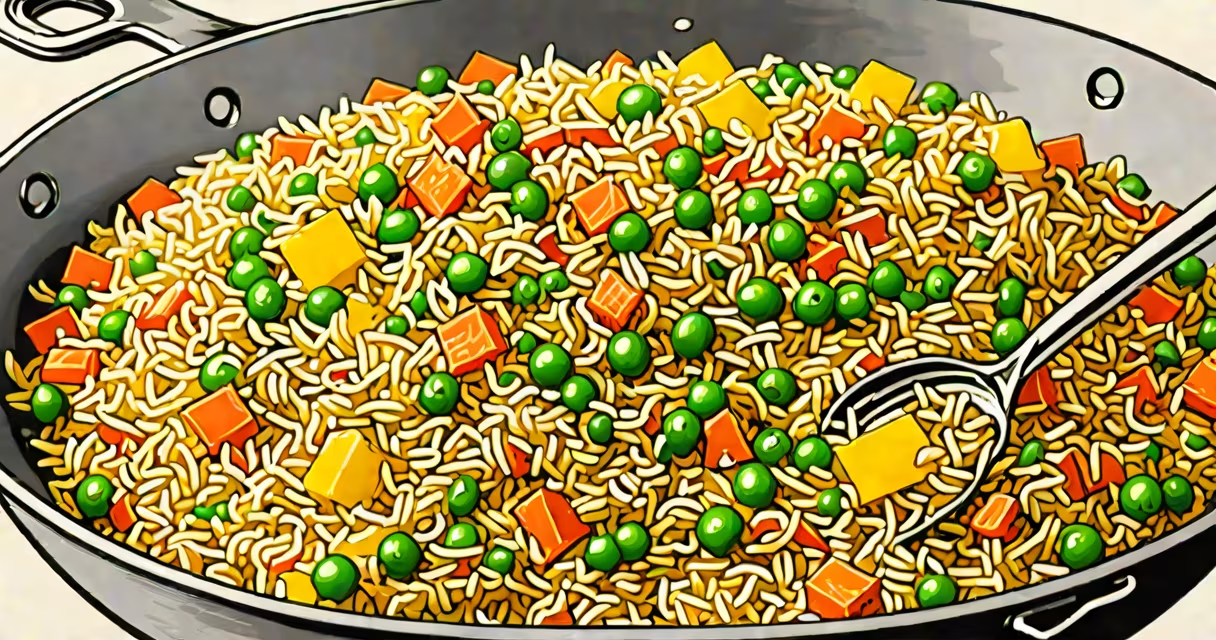
A recipe for fried rice combines day-old cooked rice, scrambled eggs, mixed vegetables, and soy sauce, stir-fried quickly in a hot wok or skillet to create a savory, slightly crispy dish. The key lies in using cold, dry rice and high heat to prevent mushiness and achieve distinct grains.
Fried rice originated in China during the Sui dynasty (581-618 CE), evolving from a method of preserving leftover rice. Modern versions often include protein such as chicken, shrimp, or ham, but the base remains simple: rice, oil, egg, and seasonings. The dish gained global popularity through Chinese-American cuisine and is now a staple in Asian households worldwide.
According to the USDA, a standard serving of fried rice (about 1 cup) contains roughly 250-300 calories, depending on ingredients. A 2020 study published in Frontiers in Nutrition found that cooking rice in a wok at high heat preserves more resistant starch than boiling, which may support gut health.
How It Works
Fried rice relies on rapid cooking under high heat to sear ingredients and evaporate moisture. Cold rice has lower water content than freshly cooked rice, which prevents clumping and allows individual grains to fry evenly. The oil creates a thin crust on each grain, enhancing texture and flavor.
The sequence matters: scramble the eggs first, remove them, then sauté aromatics like garlic and ginger. Add vegetables, then rice, and finally return the eggs. This prevents overcooking and maintains color and crunch.
Using a wok or large cast-iron skillet ensures even heat distribution. A 12-inch wok heated to 400°F (200°C) achieves the necessary "wok hei" (breath of the wok)-a smoky, toasted flavor developed in professional kitchens.
Core Components and Variations
Every recipe for fried rice includes four core elements: cold rice, oil, protein (optional), and seasonings. The choice of rice affects texture-long-grain jasmine or basmati holds shape better than short-grain varieties.
| Type | Rice Used | Common Additions | Origin |
|---|---|---|---|
| Chinese-style | Day-old jasmine rice | Eggs, peas, carrots, soy sauce, sesame oil | China |
| Thai-style | Sticky jasmine rice | Bean sprouts, fish sauce, lime, chili | Thailand |
| Japanese-style | Short-grain sushi rice | Scallions, nori, tamagoyaki (sweet omelet) | Japan |
Regional variations differ. For example, Thai fried rice uses fish sauce and fresh herbs, while Japanese versions avoid soy sauce and emphasize sweetness. A common mistake is using warm or freshly cooked rice-it leads to soggy results because steam traps moisture.
One non-obvious fact: many commercial fried rice dishes use monosodium glutamate (MSG) to improve umami. While not required, MSG is used in 60% of restaurant versions, according to a 2019 survey by the National Restaurant Association. Home cooks can skip it without losing depth.
Common Misconceptions and Mistakes
People often assume fried rice requires complex ingredients or a wok. In reality, a heavy-bottomed skillet works fine. The critical factor is temperature-not equipment. High heat ensures quick evaporation and crisp edges.
Another misconception is that fried rice must include meat. Authentic versions from southern China often feature only vegetables and eggs. The dish was historically a way to repurpose leftovers, not a protein-heavy meal.
I once made fried rice using freshly boiled rice during a family dinner. The result was a sticky, gluey mass that clumped together. After switching to chilled rice left overnight in the fridge, the texture improved dramatically-the grains separated cleanly and absorbed sauce without becoming mushy.
Step-by-Step Example
Ingredients: 2 cups cold jasmine rice, 2 eggs, 1/2 cup frozen peas and carrots mix, 3 cloves garlic (minced), 2 tbsp soy sauce, 1 tbsp sesame oil, 2 tbsp vegetable oil, 2 green onions (sliced).
- Heat 1 tbsp oil in a 12-inch wok or skillet over high heat until shimmering.
- Push the oil to the side, crack in eggs, and scramble for 30 seconds. Remove and set aside.
- Add garlic and cook 15 seconds until fragrant.
- Stir in peas and carrots, cook 1 minute.
- Break cold rice into pieces with a spatula, add to pan, and stir-fry 2 minutes.
- Return eggs, add soy sauce and sesame oil. Toss 1 minute.
- Remove from heat, garnish with green onions. Serve immediately.
This yields about 4 servings. Total time: 12 minutes. Calories per serving: ~280.
Never confuse fried rice with fried noodles. Noodles require boiling and soaking before frying, while rice is cooked and cooled first. Using the wrong base changes the entire structure of the dish.
Mastering the recipe for fried rice hinges on preparation and timing. Cold rice, high heat, and quick movements produce a dish that's both satisfying and versatile. It's not just a side-it's a complete meal when balanced with protein and greens.