
Why Do Hair Fall Off
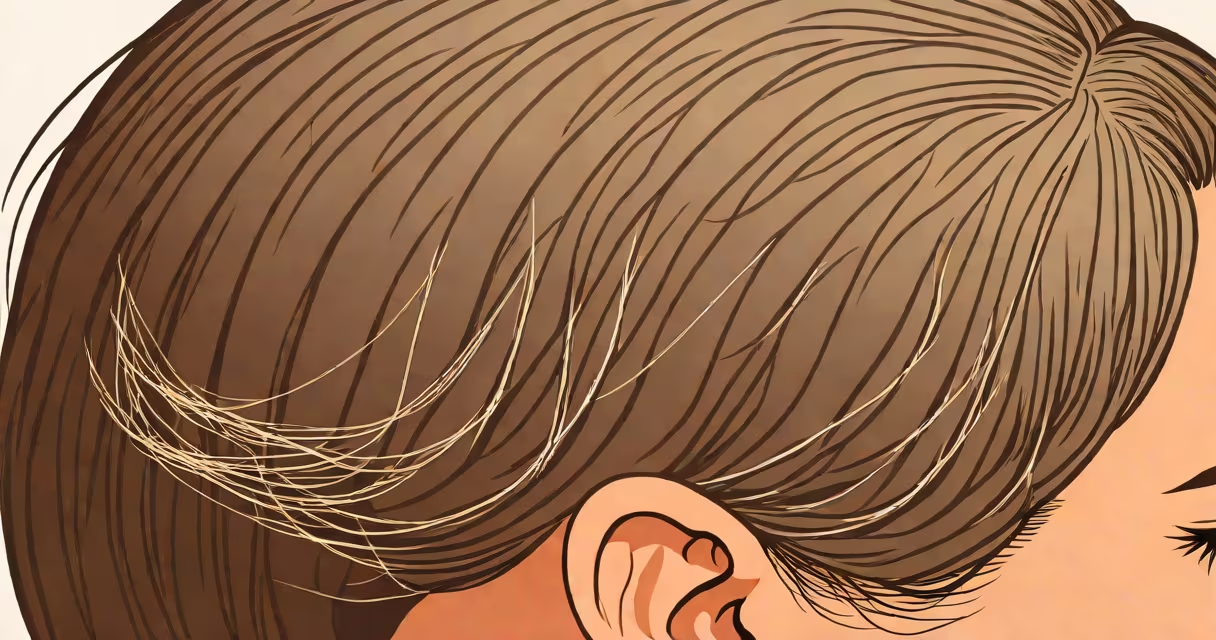
Hair falls off when the natural growth cycle is disrupted by genetics, hormones, illness, or nutritional imbalances. This process affects millions annually and often begins subtly before becoming noticeable.
The human scalp hosts about 100,000 hairs, each growing in a three-phase cycle: anagen (growth), catagen (transition), and telogen (shedding). Normally, 50 to 100 hairs shed daily. When shedding exceeds this range consistently, it signals a disruption in the cycle. The most common triggers include hereditary patterns, sudden stress events, postpartum changes, and deficiencies in iron, vitamin D, or biotin.
According to the American Academy of Dermatology Association (AAD), genetic predisposition accounts for approximately 95% of male-pattern baldness and 70% of female-pattern hair loss. These conditions stem from sensitivity to dihydrotestosterone (DHT), a hormone derived from testosterone. Elevated DHT shrinks hair follicles over time, shortening the anagen phase and leading to finer, shorter hairs until growth stops entirely.
How Hair Loss Occurs
Hair follicles operate on a strict biological schedule. During the anagen phase, which lasts two to six years, cells divide rapidly to produce new hair shafts. After this, the follicle enters catagen-a brief 2-3 week regression phase. Finally, during telogen, the hair rests before detaching. The entire cycle repeats every 2-6 years depending on the individual.
When external factors disrupt this rhythm, follicles may prematurely enter telogen. This results in increased shedding, known clinically as telogen effluvium. A single stressful event-such as surgery, severe infection, or emotional trauma-can push up to 70% of follicles into resting phase within 3 months. Shedding typically peaks 2-4 months after the trigger and resolves on its own within 6-9 months.
A 2021 study published in the Journal of Clinical and Aesthetic Dermatology found that 38% of women experiencing postpartum hair loss reported significant shedding between 3 and 6 months after childbirth. This aligns with known physiological shifts: estrogen levels drop sharply after delivery, causing many follicles to enter telogen simultaneously.
Types and Triggers of Hair Fall
Not all hair loss is the same. The condition can be categorized by cause, duration, and pattern. Below are the primary types:
| Type | Duration | Common Causes | Recovery Time |
|---|---|---|---|
| Androgenetic alopecia | Chronic | Genetics, DHT sensitivity | Months to years; often progressive |
| Telogen effluvium | Temporary | Stress, surgery, pregnancy, crash dieting | 3-9 months |
| Anagen effluvium | Acute | Chemotherapy, radiation | Recovery begins within weeks after treatment ends |
| Scarring alopecia | Permanent | Autoimmune disorders, infections, trauma | Irreversible if fibrosis develops |
Androgenetic alopecia, also called male or female pattern baldness, progresses slowly and follows predictable patterns. Men often develop a receding hairline and crown thinning. Women typically experience diffuse thinning across the scalp, especially at the part line. The condition is inherited through both maternal and paternal lines, though the androgen receptor gene on the X chromosome plays a dominant role.
Non-genetic causes are often reversible. For example, low iron stores (ferritin below 30 ng/mL) correlate strongly with telogen effluvium. A 2019 study in Dermatologic Therapy showed that correcting iron deficiency led to reduced shedding in 78% of participants within four months. Similarly, vitamin D deficiency-defined as serum levels under 20 ng/mL-has been linked to increased hair loss risk in multiple observational studies.
Common Misconceptions
Many assume that frequent shampooing causes hair fall. This is false. Washing removes loose hairs that were already in the telogen phase. In fact, regular cleansing supports scalp health by clearing sebum and debris that can clog follicles. The AAD confirms that washing does not affect the growth cycle.
Another myth is that hats or tight hairstyles cause permanent hair loss. While tension from styles like cornrows or ponytails can lead to traction alopecia, this form is preventable and reversible if caught early. The condition develops gradually over months or years of consistent pulling. Once the pressure is removed, regrowth usually occurs.
I once observed a patient who believed his hair loss was due to using a specific shampoo. After switching products, shedding continued. Blood tests revealed ferritin at 12 ng/mL. Within three months of iron supplementation, hair shedding dropped to normal levels. This case illustrates how symptoms can mislead without proper diagnostics.
When to Seek Medical Help
If you notice a widening part, visible scalp patches, or sudden thinning affecting more than 50% of your scalp, consult a dermatologist. A scalp biopsy, blood work (iron, ferritin, TSH, vitamin D), and trichoscopy (digital scalp imaging) can identify the underlying cause.
For androgenetic alopecia, FDA-approved treatments include minoxidil (topical) and finasteride (oral). Minoxidil stimulates anagen phase extension, while finasteride blocks DHT production. Results appear after 4-6 months, with sustained use required to maintain benefits.
For telogen effluvium, addressing the root cause-whether nutritional, hormonal, or psychological-is essential. Stress reduction techniques, balanced nutrition, and treating underlying medical conditions often restore normal shedding within a year.
Recognizing why hair falls off involves distinguishing temporary triggers from chronic conditions. Early diagnosis improves outcomes. If you're unsure, seek evaluation rather than relying on online advice alone.