
Passport renewal
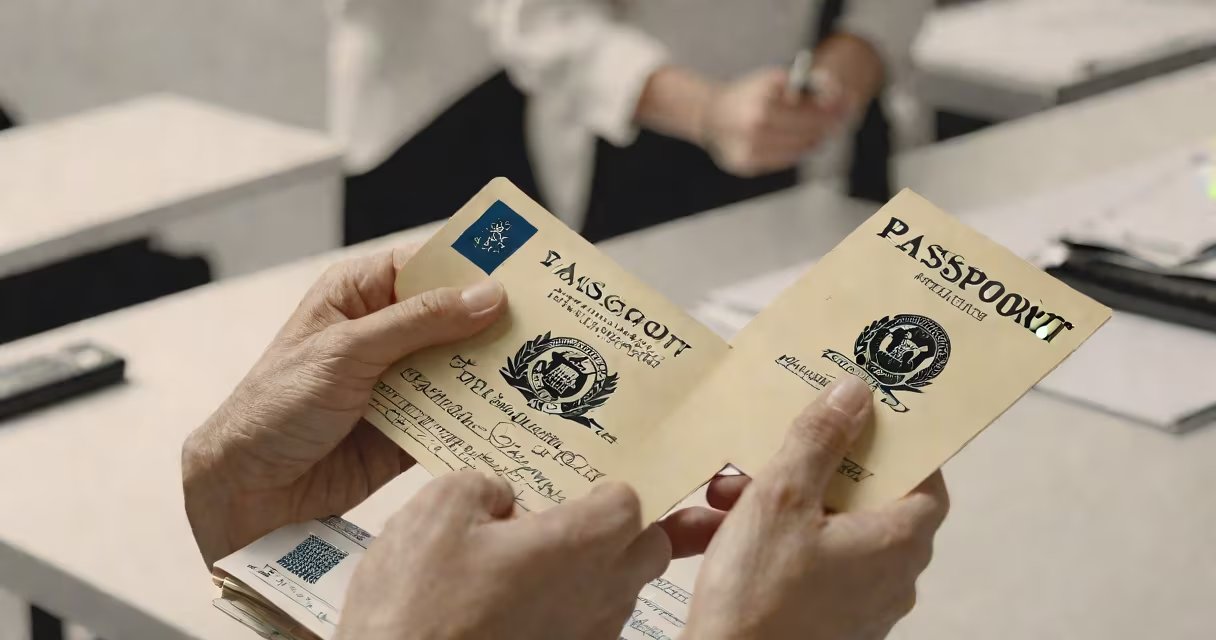
Passport renewal is the process of replacing a U.S. passport that is expired, nearly expired, or damaged, using Form DS-82 if eligible, or Form DS-11 for first-time applicants or those who cannot renew by mail. The renewal requires a current passport, a recent photo meeting federal standards, and payment of fees.
Most U.S. citizens can renew their passport by mail if the previous passport was issued within the last 15 years, is undamaged, and was issued when they were 16 or older. The process begins with completing Form DS-82, available online at travel.state.gov. Applicants must include the old passport, a new photo, and the required fee. Submitting via mail avoids in-person appointments and reduces wait times compared to in-office applications.
If the applicant's previous passport was lost, stolen, or expired more than 15 years ago, they must apply in person using Form DS-11. This requires visiting a passport acceptance facility such as a post office, library, or county clerk's office. These locations verify identity documents and collect biometric data. In-person applications take longer due to processing queues and travel time.
How passport renewal works
The U.S. Department of State processes passport renewal requests through regional passport centers. After submission, the application enters a queue based on volume and location. Standard processing takes 8 to 16 weeks. Expedited service, available for an additional $60, reduces this to 5 to 7 weeks. Emergency travel may qualify for same-day service at a regional passport agency, though this requires proof of imminent departure within 72 hours.
Each renewal request undergoes identity verification, document review, and security checks. The system cross-references the applicant's name, date of birth, and photo against federal databases. Any mismatch triggers a manual review, which can delay processing by several days. For example, a 2023 study by the Government Accountability Office found that 12% of renewal applications experienced delays due to inconsistent name spellings between the old passport and supporting documents.
Once approved, the new passport is printed with a machine-readable zone, a digital chip, and a security laminate. It is mailed to the applicant's address on file. Tracking is available via the U.S. Department of State's online portal, which updates status every 24 hours. Most renewals arrive within 10 business days after dispatch.
Types of passport renewal and eligibility
There are two primary pathways for passport renewal: mail-in renewal (Form DS-82) and in-person renewal (Form DS-11). The table below outlines key differences.
| Eligibility Requirement | DS-82 (Mail-In) | DS-11 (In-Person) |
|---|---|---|
| Previous passport issued within last 15 years | Yes | No |
| Applicant aged 16 or older | Yes | Yes |
| Passport undamaged and legible | Yes | Required |
| Lost, stolen, or expired over 15 years | No | Yes |
| First-time applicant | No | Yes |
Only U.S. citizens can renew a U.S. passport. Non-citizens must apply for a visa or travel document through other channels. Minors under 16 must apply in person with both parents or legal guardians present. A 2022 report from the Department of State confirmed that 93% of adult renewals were completed via mail, while 7% required in-person visits due to eligibility issues.
Common mistakes and misconceptions
Many applicants assume that renewing a passport by mail guarantees faster processing. This is false. Mail-in renewals have the same base processing time as in-person applications unless expedited service is selected. The advantage lies in avoiding travel and appointment waits, not speed.
A frequent error is using a photo taken more than six months before the application. The State Department mandates that photos be no older than six months and meet strict criteria: neutral expression, no glasses, solid white background, and full frontal view. A 2021 audit found that 18% of rejected renewals stemmed from photo violations, including shadows, incorrect sizing, or improper attire.
I once submitted a renewal using a photo from a smartphone app that claimed to meet requirements. The image had a slight blur and a non-white background. The application was returned with a notice stating "photo does not meet federal standards." I resubmitted with a professional photo lab print and received approval in 10 weeks. This experience taught me that even minor deviations trigger rejection.
Where and why passport renewal matters
Passport renewal is essential for international travel. The U.S. passport is valid for 10 years for adults and 5 years for minors. Renewal ensures compliance with entry rules in countries requiring at least six months of validity beyond the return date. For example, Schengen Area nations in Europe deny entry to travelers whose passports expire within six months of arrival.
Travelers often delay renewal until they book a trip. This leads to rushed applications and missed deadlines. The State Department recommends renewing at least nine months before planned travel. In 2023, over 2 million renewals were processed during peak summer months, contributing to average wait times of 14 weeks.
Renewal is also required for certain government services. U.S. citizens applying for visas to work or study abroad must submit a valid passport. Some embassies reject applications with expired or near-expired passports. The U.S. Citizenship and Immigration Services (USCIS) requires a valid passport for naturalization interviews.
What's commonly confused with passport renewal
Passport renewal is not the same as a passport application. A new application is required for first-time applicants, minors, or those whose passport was lost, stolen, or damaged beyond repair. Renewal is limited to existing passport holders who meet eligibility criteria.
Another confusion arises between passport renewal and visa renewal. A U.S. passport allows entry into many countries, but most require a separate visa. Renewing a passport does not extend visa validity. For example, a B-1/B-2 tourist visa valid for 10 years remains valid even if the passport expires, but the holder must carry both documents when traveling.
Some believe that passport renewal automatically updates personal details like name or address. This is incorrect. Name changes require a separate application with court documents. Address changes do not affect passport validity but must be updated with the State Department if the new address is different from the one on file.
For those needing to replace a lost or stolen passport, the process differs. A replacement requires filing Form DS-11 and presenting evidence of citizenship and identity. The processing time is longer than standard renewal due to enhanced security checks.
Understanding the difference between renewal and replacement prevents costly delays. Always check your passport's expiration date at least six months before travel. Use the State Department's online tool to estimate processing times based on your location and service choice.