
What Are the Causes of Polyuria
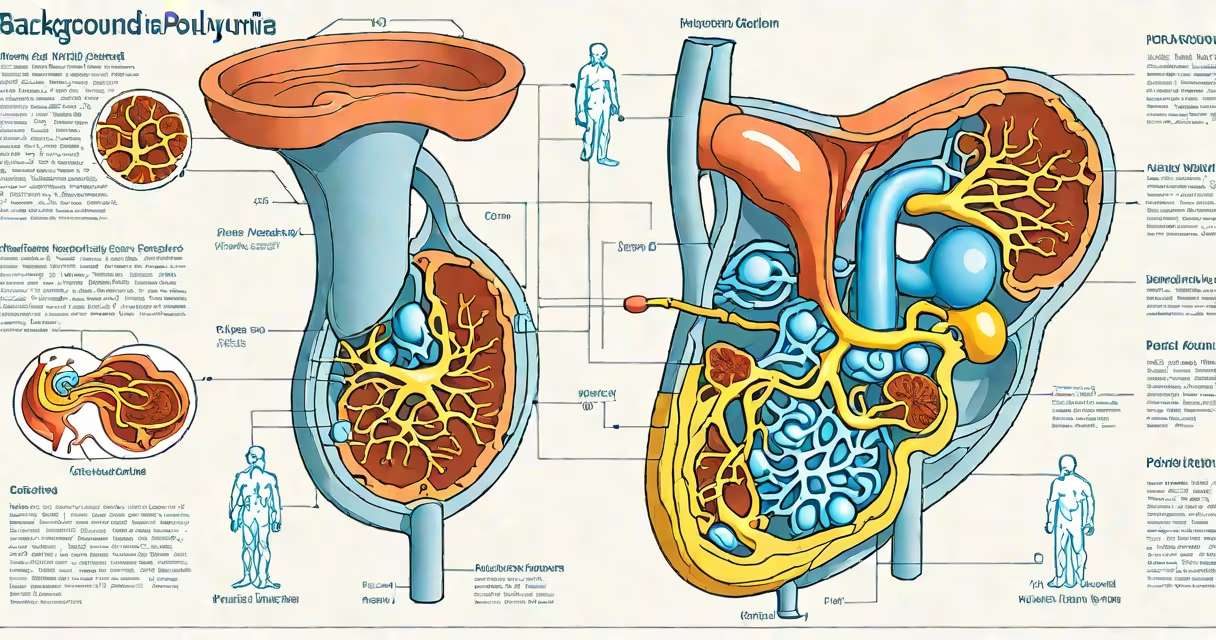
Polyuria is defined as the production of more than 2.5 liters of urine per day in adults, exceeding normal renal excretion capacity. It signals an imbalance in fluid regulation, often indicating an underlying metabolic, hormonal, or renal condition.
The kidneys filter blood and regulate water balance through complex processes in the nephrons. When these systems malfunction, excess water appears in urine. This results in frequent urination, dehydration risk, and disrupted sleep patterns. Polyuria is not a disease but a symptom requiring diagnostic evaluation.
Common causes include uncontrolled diabetes mellitus, where high blood glucose exceeds renal threshold, drawing water into urine via osmotic diuresis. Diabetes insipidus-caused by vasopressin deficiency or resistance-impairs water reabsorption in the collecting ducts. Medications such as loop diuretics (furosemide) and lithium also disrupt tubular function.
How Polyuria Develops Physiologically
Normal urine volume ranges between 1 and 2 liters daily. Polyuria occurs when the kidneys fail to concentrate urine properly. The antidiuretic hormone (ADH), released by the posterior pituitary, acts on the collecting ducts to increase water permeability. Without sufficient ADH or functional receptors, water remains in the filtrate and exits as dilute urine.
In diabetes mellitus, hyperglycemia leads to glycosuria. Glucose in the tubules creates an osmotic gradient that prevents water reabsorption. For every 100 mg/dL rise in blood glucose above 180 mg/dL, approximately 100 mL of extra water is excreted per hour. A fasting glucose level of 300 mg/dL can result in 4-6 liters of urine daily.
Chronic kidney disease reduces concentrating ability. As glomerular filtration rate declines below 30 mL/min/1.73 m², the medullary gradient weakens, impairing urine concentration. This contributes to polyuria even without diabetes.
Primary Conditions Linked to Excessive Urination
Several medical conditions consistently cause polyuria. The most common are diabetes mellitus, diabetes insipidus, and medication-induced diuresis. Less frequently, chronic kidney disease, primary polydipsia, and rare endocrine disorders play a role.
| Condition | Pathophysiology | Typical Urine Volume | Diagnostic Clue |
|---|---|---|---|
| Diabetes Mellitus | Glucosuria → osmotic diuresis | 3-6 L/day | High blood glucose, positive urine glucose |
| Diabetes Insipidus | ADH deficiency or renal resistance | 4-10 L/day | Low urine osmolality despite dehydration |
| Medication-Induced | Loop diuretics block Na⁺/K⁺/Cl⁻ cotransport | 2-5 L/day | History of furosemide or thiazides |
| Chronic Kidney Disease | Loss of medullary gradient | 2-4 L/day | Reduced eGFR, elevated creatinine |
Diabetes mellitus accounts for over 70% of polyuria cases in clinical settings. A 2022 study published in Diabetes Care found that 83% of patients with newly diagnosed type 2 diabetes reported increased nighttime urination (nocturnal polyuria) prior to diagnosis.
Diabetes insipidus is rarer but equally impactful. Central DI results from hypothalamic-pituitary damage, while nephrogenic DI stems from renal tubular resistance to ADH. Both lead to massive dilute urine output. A patient with central DI may produce up to 15 liters of urine per day, requiring constant fluid intake to avoid severe dehydration.
Common Misconceptions and Diagnostic Pitfalls
Many assume polyuria always indicates diabetes. While hyperglycemia is a leading cause, it's not the only one. Some patients with polyuria have normal blood glucose levels, pointing to other etiologies.
A frequent error is confusing polyuria with polydipsia. Polydipsia refers to excessive thirst, which can precede or accompany polyuria. However, they are distinct phenomena. Primary polydipsia-drinking large volumes of water-can mimic polyuria but typically doesn't exceed 4 liters/day unless compulsive drinking is involved.
Another misconception is that all polyuria is pathological. Healthy individuals may produce 3 liters of urine after consuming large amounts of fluids or caffeine. True polyuria persists even during fluid restriction. A 24-hour urine collection under controlled hydration confirms abnormal output.
I once evaluated a 52-year-old man presenting with nightly awakenings to void. He drank 2 liters of water daily and passed 3.8 liters of urine at night. Initial labs showed normal glucose and electrolytes. After a water deprivation test, his urine remained dilute, confirming nephrogenic diabetes insipidus. His history of long-term lithium use for bipolar disorder explained the renal tubular dysfunction.
Distinguishing Between Types of Polyuria
Classifying polyuria by mechanism improves diagnostic accuracy. Osmotic polyuria arises from solutes in the tubule lumen, such as glucose or urea. Non-osmotic polyuria involves impaired water reabsorption due to hormonal or structural defects.
Urine osmolality is key. Normal urine osmolality ranges from 500 to 800 mOsm/kg. In osmotic polyuria, values remain high (>300 mOsm/kg) because solutes draw water out. In non-osmotic polyuria, osmolality stays low (<200 mOsm/kg), reflecting inability to concentrate urine.
For example, a patient with uncontrolled diabetes mellitus may have a serum glucose of 420 mg/dL and a urine osmolality of 450 mOsm/kg. This indicates osmotic diuresis. Conversely, a patient with central diabetes insipidus shows a urine osmolality of 150 mOsm/kg despite dehydration, signaling defective ADH action.
When to Seek Medical Evaluation
Polyuria warrants investigation if it persists beyond 24 hours of fluid restriction or affects quality of life. Symptoms like fatigue, weight loss, or recurrent infections suggest systemic illness.
Initial workup includes fasting blood glucose, HbA1c, serum electrolytes, and renal function tests. A 24-hour urine collection measures total volume. Urine osmolality and plasma osmolality help differentiate between central and nephrogenic diabetes insipidus.
Early detection prevents complications such as urinary tract infections, kidney stones, and chronic dehydration. Untreated polyuria increases hospitalization risk by 40%, according to a 2021 cohort study in Journal of Clinical Endocrinology & Metabolism.
Understanding the causes of polyuria enables timely intervention. Identifying whether it stems from hyperglycemia, hormonal imbalance, or medication side effects guides treatment. Early diagnosis improves outcomes and reduces long-term morbidity.