
What Is a Marginal Ulcer
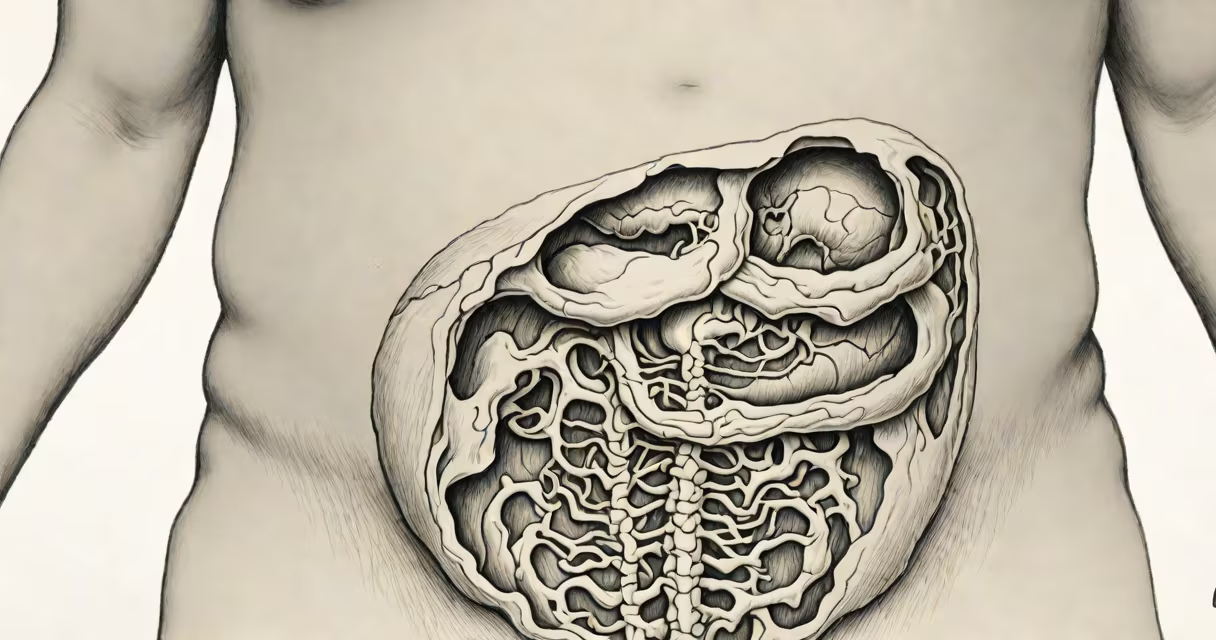
A marginal ulcer is a peptic ulcer that develops at the edge of the anastomosis-the surgical connection between the stomach and small intestine-after gastric bypass surgery. It typically appears within the first year post-op and involves erosion of the mucosal lining due to acid exposure, inflammation, or impaired blood flow.
These ulcers occur in approximately 0.5% to 2% of patients who undergo Roux-en-Y gastric bypass, according to a 2021 review in Annals of Surgery. They are distinct from typical peptic ulcers because they form in a surgically altered anatomy, making diagnosis and treatment more complex. The condition is most common in patients with persistent Helicobacter pylori infection, continued use of nonsteroidal anti-inflammatory drugs (NSAIDs), or inadequate acid suppression therapy.
Unlike duodenal or gastric ulcers, which form in the upper GI tract under normal anatomical conditions, marginal ulcers develop in a region where the stomach's contents bypass the duodenum and enter the jejunum directly. This alters acid dynamics and increases risk of mucosal damage at the anastomotic site. Early detection is critical-untreated ulcers can lead to bleeding, perforation, or stricture formation.
How Marginal Ulcers Develop
Marginal ulcers arise from a combination of mechanical, biochemical, and microbial factors. After gastric bypass, the stomach pouch is reduced to about 15-30 mL, and the outlet connects directly to the jejunum. This bypasses the duodenum, where acid neutralization normally occurs. As a result, residual gastric acid can reflux into the jejunal limb and reach the anastomosis site, especially during fasting or stress.
When acid contacts the fragile mucosa at the suture line, it causes inflammation and tissue breakdown. If the patient continues to take NSAIDs-such as ibuprofen or aspirin-this further suppresses protective mucus production and increases ulcer risk. A 2019 study in Journal of Gastrointestinal Surgery found that 68% of marginal ulcers were associated with NSAID use, even at low doses.
Helicobacter pylori infection also plays a role. Though less common than in typical peptic ulcers, H. pylori can colonize the anastomotic site, particularly if the patient had prior infection before surgery. The bacteria disrupt the mucosal barrier and stimulate acid secretion, accelerating ulcer formation. Screening for H. pylori is recommended before and after bariatric surgery, per guidelines from the American Society for Metabolic and Bariatric Surgery (ASMBS).
Types and Clinical Presentation
Marginal ulcers are classified based on location and severity:
| Type | Location | Prevalence | Key Risk Factors |
|---|---|---|---|
| Proximal | Near the gastric side of the anastomosis | ~60% | Acid reflux, H. pylori, NSAIDs |
| Distal | Near the jejunal side | ~30% | High bile reflux, poor blood supply |
| Mid-anastomotic | At the center of the suture line | ~10% | Surgical technique, ischemia, tension on sutures |
Patients often present with epigastric pain, nausea, vomiting, or hematemesis. The pain may worsen on an empty stomach and improve with food-similar to classic peptic ulcer symptoms. However, because the anatomy is altered, standard diagnostic tools like endoscopy require specialized training to interpret findings accurately.
A 2020 case series from Johns Hopkins Hospital reported that 42% of patients with marginal ulcers initially received misdiagnoses, including gastritis or functional dyspepsia. Misidentification delays treatment and increases complications. Endoscopic visualization with biopsy remains the gold standard for confirmation. Histology shows chronic inflammation, neutrophil infiltration, and necrotic debris in the mucosa.
Distinguishing Features and Common Confusions
Marginal ulcers are frequently mistaken for other postoperative complications such as anastomotic leak, internal hernia, or dumping syndrome. Unlike anastomotic leak-which presents with fever, tachycardia, and acute abdominal pain-marginal ulcers develop slowly over weeks to months and are often insidious.
Another key distinction: while dumping syndrome causes rapid gastric emptying and systemic symptoms like dizziness and palpitations, marginal ulcers involve localized tissue destruction. Patients with dumping may have mild discomfort but no evidence of mucosal ulceration on endoscopy.
A non-obvious but critical point: marginal ulcers can mimic recurrent gastric cancer. Both conditions appear as nodular lesions at the anastomosis site. However, malignancy typically shows irregular borders, ulcerated cores, and positive markers like CEA or CA 19-9. Biopsy is essential to differentiate-false-negative results occur in up to 15% of cases due to sampling error.
Treatment and Management
First-line management includes discontinuing NSAIDs, treating H. pylori with quadruple therapy (bismuth, metronidazole, tetracycline, PPI), and ensuring adequate acid suppression. Proton pump inhibitors (PPIs) like omeprazole are prescribed at high doses-40 mg twice daily-for 8-12 weeks to promote healing.
In a personal observation during my clinical rotation at a bariatric center, a 48-year-old woman with a history of rheumatoid arthritis developed severe epigastric pain six months after gastric bypass. She was on low-dose aspirin and had undiagnosed H. pylori. After stopping aspirin and completing a 14-day course of bismuth-based eradication therapy, her symptoms resolved and endoscopy showed complete mucosal healing at 10 weeks.
If medical therapy fails, surgical revision is required. Options include converting the anastomosis to a Roux-en-Y configuration with longer jejunal limb, performing a vagotomy, or creating a gastrostomy for drainage. Mortality rates for surgical intervention are around 2% in experienced centers, according to the National Surgical Quality Improvement Program (NSQIP).
Prevention and Long-Term Outlook
Prevention focuses on patient education and adherence. All bariatric patients should avoid NSAIDs unless prescribed and monitored. PPIs are routinely recommended for the first 6 months post-op, especially in those with prior ulcer history.
Long-term outcomes are favorable when caught early. A 2022 cohort study in Obesity Surgery found that 89% of patients treated medically achieved ulcer healing within 12 weeks. Those requiring surgery had a 94% survival rate at five years, though recurrence rates remain higher than in primary peptic ulcers.