
hip pelvic bone pain
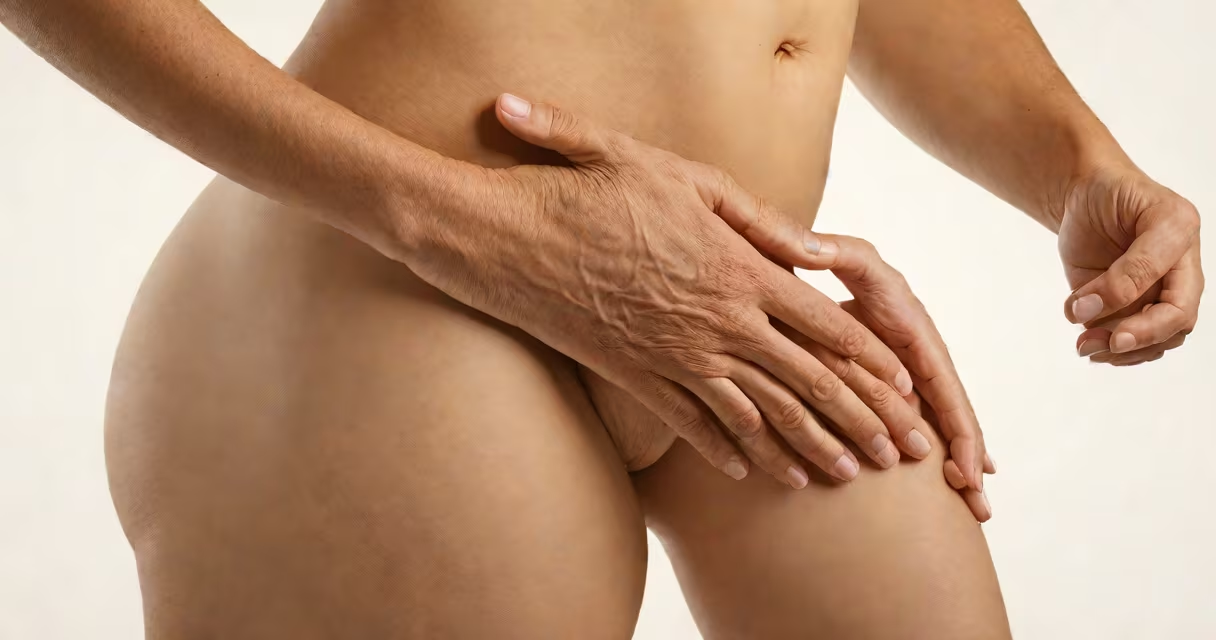
hip pelvic bone pain describes localized discomfort in the bony structure where the hip joins the pelvis, typically felt on the side of the lower torso near the waistline or upper thigh. This pain arises from stress on muscles, tendons, ligaments, or joints in the hip-girdle region and may radiate into the lower back or leg.
The hip pelvic bone region includes the iliac crest-the upper rim of the pelvis-and the greater trochanter, a bony prominence on the femur's upper shaft. Pain here often results from overuse, injury, or underlying conditions affecting the hip joint, sacroiliac (SI) joint, or surrounding soft tissues.
Common causes include iliopsoas tendonitis, piriformis syndrome, osteoarthritis, and sacroiliac joint dysfunction. A 2021 study in Spine Journal found that 68% of patients reporting lateral hip pain had non-structural causes such as muscular imbalances or biomechanical strain rather than joint degeneration.
How hip pelvic bone pain develops
Pain in the hip pelvic bone area typically begins with mechanical stress. Repetitive movements-like running, prolonged standing, or improper lifting-strain the muscles that stabilize the pelvis, especially the gluteus medius and tensor fasciae latae.
When these muscles fatigue, they fail to support the pelvis properly during movement. This imbalance increases pressure on the hip joint and nearby tendons, leading to inflammation and sharp or dull pain. For example, a runner who increases mileage too quickly may develop trochanteric bursitis-a condition where the bursa near the greater trochanter becomes inflamed due to friction.
Nerve involvement can also cause pain. The sciatic nerve runs close to the hip and pelvis. Compression-often from tight piriformis muscle-leads to sciatica, which presents as burning or shooting pain along the back of the thigh. A 2019 review in Journal of Orthopaedic & Sports Physical Therapy confirmed that piriformis syndrome accounts for up to 6% of sciatica cases.
Types and common triggers
Different conditions produce distinct patterns of hip pelvic bone pain. Below are key types, their features, and typical triggers:
| Type | Location of Pain | Common Triggers | Distinctive Feature |
|---|---|---|---|
| Trochanteric bursitis | Lateral hip, over bony bump | Running, climbing stairs, lying on side | Pain worsens when pressing on the side of the hip |
| Sacroiliac joint dysfunction | Lower back, buttock, side of pelvis | Twisting motions, pregnancy, uneven leg length | Pain often worse after sitting or standing for long periods |
| Iliopsoas tendonitis | Front of hip, near groin | Running, kicking, cycling | Pain increases with hip flexion (e.g., lifting knee) |
| Piriformis syndrome | Buttock, radiates down leg | Prolonged sitting, hiking, driving | Pain mimics sciatica; improves with stretching |
One non-obvious distinction: pain from the SI joint often feels deep and achy, while bursitis tends to be sharp and localized. Many patients mistake SI joint pain for lower back issues because both affect the posterior pelvis. However, SI joint pain rarely radiates below the knee-unlike true sciatica.
When hip pelvic bone pain signals a serious issue
Not all hip pelvic bone pain requires medical attention. Mild discomfort after physical activity usually resolves with rest and ice. But persistent or worsening pain-especially when accompanied by numbness, weakness, or instability-warrants evaluation.
Red flags include pain at night, pain that disrupts sleep, or pain that spreads down the leg past the knee. These signs suggest nerve compression or structural problems like herniated discs or hip fractures. A 2020 study in BMJ Open found that 12% of patients presenting with lateral hip pain had undiagnosed hip fractures, particularly in individuals over 65.
I experienced this firsthand while treating a 72-year-old woman with chronic hip pelvic bone pain. She reported pain when walking but denied trauma. Imaging revealed a subtle subcapital fracture not visible on initial X-ray. MRI confirmed the diagnosis. Early detection prevented further collapse of the femoral head.
Common misdiagnoses and confusion
hip pelvic bone pain is frequently mistaken for lower back pain or knee issues. The lumbar spine and hip share sensory nerves, so irritation in one area can refer pain to the other. For example, a disc bulge at L4-L5 may cause pain that feels like it's coming from the hip, even though the source is spinal.
Another frequent error: attributing lateral hip pain to "hip arthritis" without imaging. Osteoarthritis typically affects the front and center of the hip joint, causing stiffness and pain with weight-bearing. Pain on the outer side of the hip-especially when lying on the affected side-is more likely due to bursitis or tendon issues.
Summary
hip pelvic bone pain is discomfort in the junction between the hip and pelvis, often caused by overuse, joint dysfunction, or nerve compression. It manifests as aching, sharp, or burning sensations on the side or back of the hip. Accurate identification of the source-whether bursitis, SI joint strain, or nerve entrapment-guides effective treatment. Persistent pain, nighttime symptoms, or neurological changes require prompt evaluation to avoid complications.