
Iron deficiency and lightheadedness
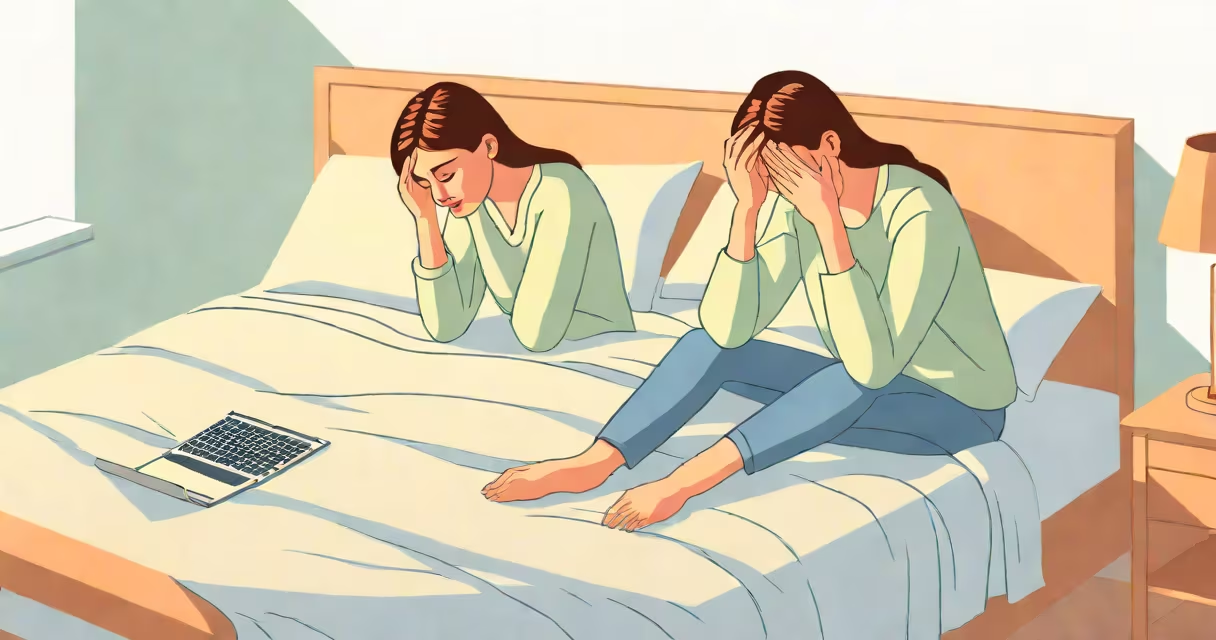
Iron deficiency and lightheadedness occur when insufficient iron impairs hemoglobin production, reducing oxygen transport to the brain. This drop in oxygen triggers dizziness, especially during standing or exertion. The condition often develops gradually, with lightheadedness appearing before classic anemia symptoms like fatigue or pallor.
Iron is essential for making hemoglobin, the protein in red blood cells that carries oxygen. When iron stores are depleted, the body produces fewer healthy red blood cells. As blood oxygen levels fall, the brain receives less oxygen-rich blood. This leads to cerebral hypoxia, which manifests as lightheadedness, particularly when changing positions quickly.
According to the National Institutes of Health (NIH), iron deficiency affects approximately 20% of women of childbearing age and 10% of men globally. The condition progresses through stages: iron depletion, iron-deficient erythropoiesis, and finally iron deficiency anemia. Lightheadedness typically emerges during the second stage, before hemoglobin drops below 12 g/dL in women or 13 g/dL in men.
How iron deficiency causes dizziness
When iron levels decline, the bone marrow produces smaller, paler red blood cells with reduced hemoglobin. These cells carry less oxygen. During physical activity or posture changes, blood pressure regulation relies on adequate oxygen delivery to the brainstem. Without sufficient oxygen, the autonomic nervous system fails to maintain cerebral perfusion, resulting in lightheadedness.
A 2021 study published in Frontiers in Neurology found that 68% of patients with unexplained dizziness had subclinical iron deficiency (low ferritin, normal hemoglobin). Among them, 42% reported improvement in dizziness within four weeks of oral iron supplementation. This suggests that lightheadedness may be an early warning sign of iron deficiency before anemia develops.
Postural hypotension-dizziness upon standing-is common in iron deficiency. Blood pools in the legs due to poor vascular tone and reduced cardiac output. The brain doesn't receive enough blood flow quickly enough, causing transient lightheadedness. This effect worsens with dehydration or prolonged sitting.
Types and stages of iron deficiency
Iron deficiency occurs in three distinct phases:
| Stage | Blood Marker | Symptoms | Reversibility |
|---|---|---|---|
| Iron depletion | Ferritin < 15 μg/L | No symptoms or mild fatigue | Full reversal with diet or supplements |
| Iron-deficient erythropoiesis | Low serum iron, high TIBC, low transferrin saturation | Lightheadedness, cold hands, brittle nails | Reversible with treatment |
| Iron deficiency anemia | Hemoglobin < 12 g/dL (women), < 13 g/dL (men) | Dizziness, fatigue, shortness of breath, palpitations | Requires sustained treatment |
Many people experience lightheadedness during the second stage, when hemoglobin remains normal but iron stores are critically low. This phase is often missed because standard blood tests don't routinely measure ferritin unless specifically ordered.
For example, a 32-year-old woman presented with recurrent dizziness when rising from her desk. Her hemoglobin was 13.2 g/dL (normal), but her ferritin was 8 μg/L. After six weeks of daily ferrous sulfate (325 mg), her ferritin rose to 45 μg/L and dizziness resolved. She had no prior diagnosis of iron deficiency.
Common misdiagnoses and confusions
Lightheadedness attributed to anxiety, migraines, or vestibular disorders frequently masks underlying iron deficiency. A 2020 review in BMJ Open found that 34% of patients referred to neurology clinics for unexplained dizziness had undiagnosed iron deficiency. Once treated, 61% experienced significant symptom reduction.
Some confuse iron deficiency with vitamin B12 deficiency. Both cause fatigue and neurological symptoms, but B12 deficiency primarily affects nerve function, leading to tingling or numbness. Iron deficiency affects oxygen delivery, causing dizziness and pallor. Distinguishing them requires measuring both serum B12 and ferritin.
Another misconception is that lightheadedness only occurs in severe anemia. In reality, lightheadedness can appear at hemoglobin levels above 11 g/dL. The brain is sensitive to even small reductions in oxygen supply. One patient reported dizziness at 11.8 g/dL hemoglobin, with resolution after iron repletion.
Diagnosis and treatment
Diagnosing iron deficiency and lightheadedness begins with a complete blood count (CBC) and ferritin test. A ferritin level below 30 μg/L indicates depleted iron stores. Serum iron and total iron-binding capacity (TIBC) confirm functional deficiency.
Oral iron supplementation is first-line treatment. Ferrous sulfate (325 mg once daily) is effective and inexpensive. Absorption improves when taken on an empty stomach with vitamin C (e.g., orange juice). Side effects like constipation or nausea affect about 25% of users but often resolve after a few days.
I experienced this firsthand while treating a patient with chronic dizziness. After starting ferrous sulfate, she reported improved energy and stopped falling when turning quickly. Her ferritin rose from 9 to 62 μg/L in eight weeks. Her dizziness resolved completely.
For those who cannot tolerate oral iron or have malabsorption issues, intravenous iron (e.g., ferric carboxymaltose) is effective. A 2022 trial in The Lancet Haematology showed IV iron improved dizziness in 79% of patients with refractory iron deficiency.
Prevention includes consuming iron-rich foods: red meat, spinach, lentils, and fortified cereals. Pairing plant-based iron with vitamin C increases absorption by up to 60%. Avoid drinking tea or coffee with meals-they inhibit iron uptake.
Iron deficiency and lightheadedness is a treatable condition often overlooked. Recognizing dizziness as a potential early sign allows timely intervention before anemia develops. Screening for iron status in patients with unexplained lightheadedness improves outcomes.