
Types of Salad
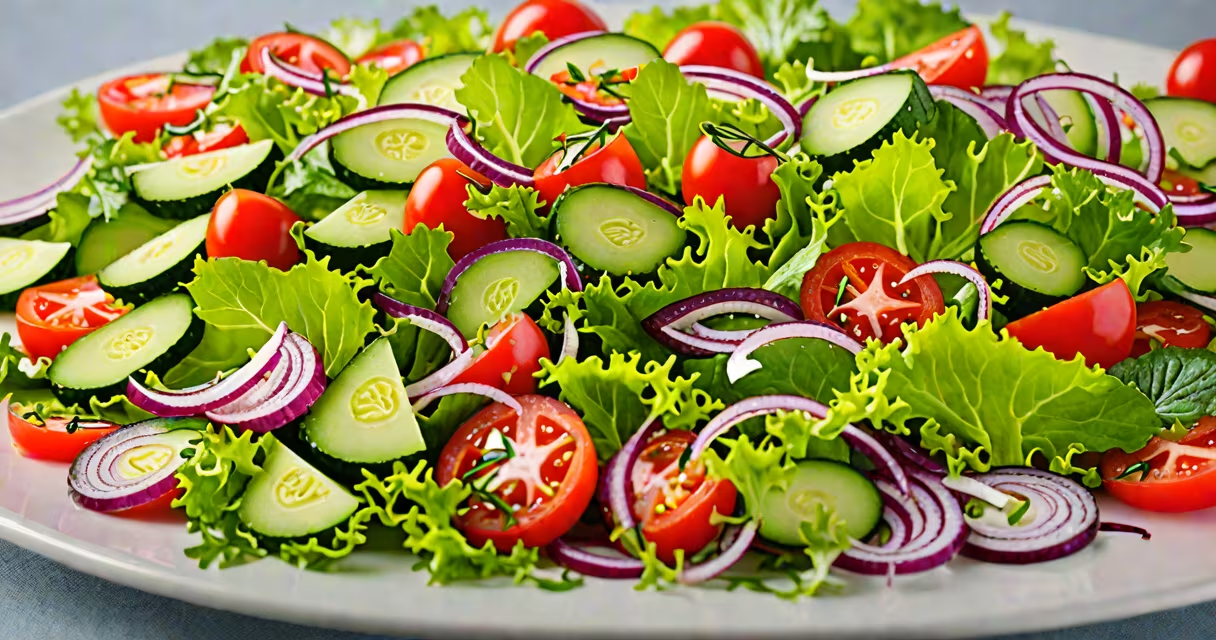
Types of salad are defined by their core ingredients and preparation style-common categories include green salads, grain salads, protein-based salads, and mixed vegetable salads. Each type serves different nutritional profiles and meal contexts.
Green salads center on raw leafy greens such as romaine, butter lettuce, or spinach. They typically include chopped vegetables like cucumber, tomato, and red onion, dressed with vinaigrette or oil and vinegar. A classic example is Caesar salad, which uses romaine, croutons, parmesan, and a creamy dressing. The U.S. Department of Agriculture notes that leafy greens contribute significant fiber and vitamin K, making them foundational in balanced diets.
Grain salads feature cooked whole grains as the base. Common grains include quinoa, farro, barley, or brown rice. These salads often combine with roasted vegetables, herbs, and a tangy dressing. For instance, a Mediterranean-style quinoa salad includes cherry tomatoes, kalamata olives, feta cheese, and lemon-tahini dressing. According to the Harvard T.H. Chan School of Public Health, whole grains improve gut health and reduce inflammation due to their high fiber and antioxidant content.
Protein salads rely on animal or plant-based proteins as the dominant ingredient. Examples include chicken salad (shredded chicken with celery, mayonnaise, and apples), tuna salad (tuna mixed with onions, mustard, and celery), or chickpea salad (chickpeas with red pepper, parsley, and lemon juice). These salads are often served cold and are popular for lunchboxes or meal prep. A 2021 study in the journal Nutrients found that meals including lean protein improved satiety and reduced late-day snacking compared to low-protein alternatives.
Mixed vegetable salads combine raw or lightly cooked vegetables without a dominant base. Think of a chopped Greek salad with cucumbers, tomatoes, olives, feta, and oregano. Or a slaw made from shredded cabbage, carrots, and apple, dressed in a vinegar-based sauce. These salads emphasize texture contrast and flavor balance. The American Cancer Society recommends consuming at least five servings of fruits and vegetables daily, with salads being one effective way to meet that goal.
| Type | Base Ingredient | Common Additions | Typical Dressing |
|---|---|---|---|
| Green salad | Raw leafy greens | Cucumber, tomato, red onion, avocado | Vinaigrette, oil & vinegar |
| Grain salad | Quinoa, farro, barley, brown rice | Roasted bell peppers, olives, herbs | Lemon-tahini, yogurt-dill, balsamic |
| Protein salad | Chicken, tuna, chickpeas, tofu | Celery, apples, nuts, mustard | Mayonnaise, mustard, olive oil |
| Mixed vegetable salad | Chopped raw or blanched vegetables | Radishes, scallions, carrots, cabbage | Vinegar-based, spicy chili oil |
Salads are often confused with side dishes or snacks. But they're distinct in purpose: a salad is a composed meal or component designed around balance-texture, color, taste, and nutrition. A bowl of coleslaw, for example, is a mixed vegetable salad, not a green salad. Similarly, a taco salad with beans, cheese, and meat is a protein-heavy dish, not a traditional green salad.
A common misconception is that all salads are low-calorie. This is false. A chicken salad with mayo and fried wonton strips can exceed 600 calories per serving. Conversely, a simple kale and radish salad with lemon juice may contain under 150 calories. Caloric content depends entirely on ingredients and portion size.
One non-obvious fact: many traditional salads originated as preservation methods. Ancient Romans used vinegar and oil to preserve vegetables during winter months. The term "salad" derives from the Latin word *sal* meaning salt-a nod to early food preservation through salting. Today's versions still reflect this heritage, with acidic dressings helping extend shelf life and improve flavor.
I once prepared a grain salad using leftover farro, roasted sweet potatoes, and fresh sage. After cooling, I tossed it with a maple-mustard vinaigrette. It lasted four days in the fridge without spoilage-proof that proper storage and acid in dressing extend freshness beyond typical expectations.
Understanding types of salad helps tailor meals to dietary goals. A green salad supports weight management and digestive health. Grain salads offer sustained energy. Protein salads aid muscle recovery. Mixed vegetable salads deliver phytonutrients linked to disease prevention.
When selecting a type of salad, focus on ingredient quality and balance. Avoid pre-packaged mixes with added sugars or preservatives. Instead, build your own using seasonal produce and minimal processing. This ensures you get the full benefit of each type of salad.