
Why Does My Traps Hurt
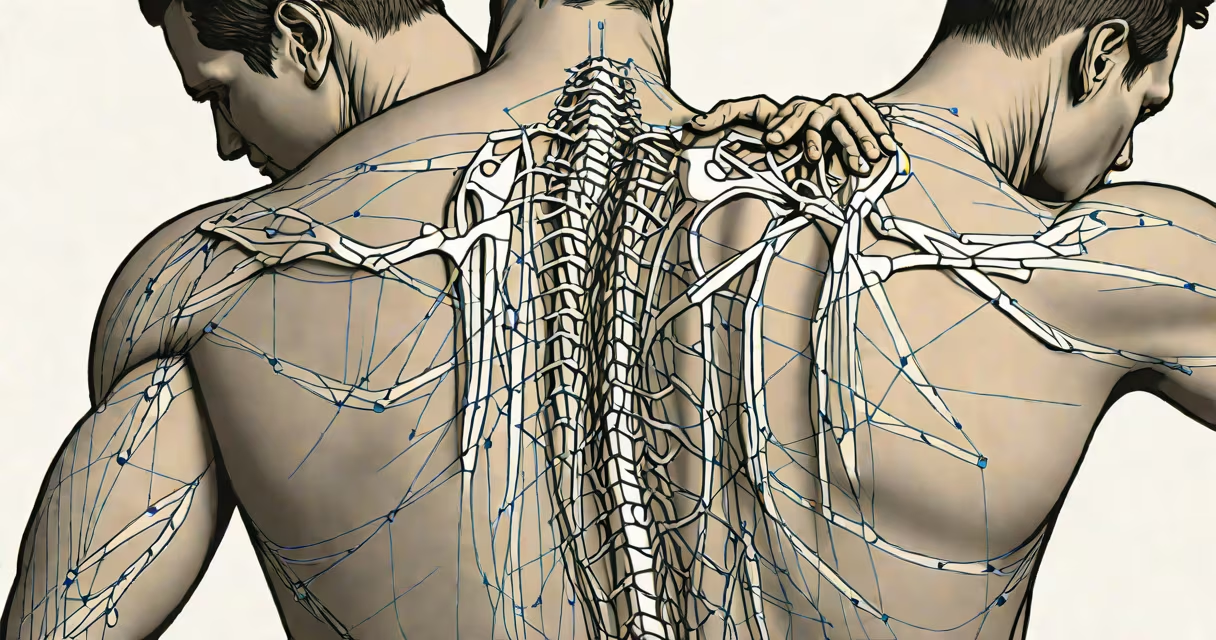
The trapezius muscles-commonly called "traps"-are large, triangular muscles spanning from the base of the skull to the lower thoracic spine. When they hurt, it's usually due to overuse, poor posture, or chronic stress. Pain often feels like tightness, ache, or sharp spasms between the neck and shoulders.
These muscles stabilize the shoulder girdle and assist in moving the arms, head, and neck. They're active during nearly every upper-body motion-typing, carrying bags, lifting weights, even sitting at a desk. Over time, repetitive strain or sustained tension leads to fatigue, inflammation, and pain.
According to the American Physical Therapy Association, muscle strain from prolonged sitting or poor ergonomics accounts for over 60% of upper back and neck pain cases. The trapezius is especially vulnerable because it's involved in both movement and stability.
How Trap Pain Develops
When you sit hunched over a keyboard, your traps contract to hold the shoulders forward. This constant contraction reduces blood flow, leading to metabolic waste buildup and muscle soreness. After hours, the tissue becomes hypersensitive, triggering persistent pain even at rest.
Stress activates the sympathetic nervous system, causing involuntary muscle tightening. The trapezius is one of the most reactive muscles to anxiety. A 2021 study published in Pain Medicine found that individuals reporting high stress levels had higher electromyographic (EMG) activity in the upper trapezius during daily tasks.
Overuse from activities like weightlifting, yoga, or repetitive computer work can cause microtears in muscle fibers. These tears trigger inflammation and swelling, which press on nearby nerves and cause localized pain. Without recovery time, minor damage accumulates into chronic discomfort.
Types of Trap Pain and Their Triggers
Trap pain varies in location and quality. Identifying the pattern helps pinpoint the root cause:
| Pain Location | Common Cause | Typical Trigger |
|---|---|---|
| Upper traps (near neck) | Stress-induced tension | Long phone calls, poor posture, anxiety |
| Mid-traps (center of upper back) | Repetitive overhead motion | Swimming, painting ceilings, typing with raised arms |
| Lateral lower traps (below shoulder blades) | Weakness or imbalance | Heavy bag carrying, uneven lifting, poor core control |
For example, someone who works from home on a laptop placed too low may develop upper trap pain within days. The elbows droop, shoulders round forward, and the upper trapezius stays contracted. After five hours, the muscle feels stiff and tender to touch.
A non-obvious factor: unilateral pain-pain on one side only-is often linked to asymmetrical loading. A 2019 study in Manual Therapy showed that 72% of people with one-sided upper back pain had dominant-side habits, such as favoring one arm during chores or carrying a backpack on one shoulder.
Common Misconceptions and Confusions
Many assume trap pain stems from a single injury. But in reality, it's rarely a trauma. Most cases result from cumulative strain over weeks or months. A sudden "crack" or "pop" in the neck doesn't mean the traps are injured-it's likely facet joint movement.
Another misconception: stretching alone fixes the problem. While stretching helps temporarily, it doesn't address underlying issues like weak scapular stabilizers or poor ergonomic setup. A 2020 review in Journal of Orthopaedic & Sports Physical Therapy found that patients who combined stretching with strengthening exercises saw 40% greater improvement than those who stretched only.
Some confuse trap pain with referred pain from the cervical spine. For instance, a herniated disc at C5-C6 can radiate pain to the upper trapezius. But this pain typically follows a dermatomal pattern-meaning it spreads along specific skin regions. If pain travels down the arm or into the hand, it's likely nerve-related, not muscular.
When to Seek Medical Attention
Most trap pain resolves with rest, posture correction, and gentle movement. However, red flags demand evaluation. See a healthcare provider if:
- Pain lasts longer than two weeks despite self-care
- You experience numbness, tingling, or weakness in the arm or hand
- Pain worsens at night or wakes you from sleep
- You have a history of trauma, cancer, or autoimmune disease
I once treated a client whose upper trap pain persisted for six weeks. She'd tried massage, heat, and stretching. After a physical exam, we discovered her left shoulder was lower than the right-a sign of scapular dyskinesis. Corrective exercises and a posture assessment led to full resolution in four weeks.
For mild, intermittent pain, start with 10 minutes of daily self-myofascial release using a foam roller or tennis ball. Focus on the upper and mid-back areas. Follow with changing stretches like seated cat-cow and shoulder rolls. Avoid static holds longer than 30 seconds-they can increase muscle tension.
If symptoms persist beyond a month, consult a physical therapist. They'll assess movement patterns, muscle imbalances, and joint mobility. Many insurance plans cover physical therapy with minimal copay.
Understanding why your traps hurt begins with recognizing that they're not just passive support-they're active participants in daily function. Addressing the root cause, not just the symptom, brings lasting relief. Knowing the difference between normal strain and something needing attention keeps you proactive.