
Swelling in hand and foot
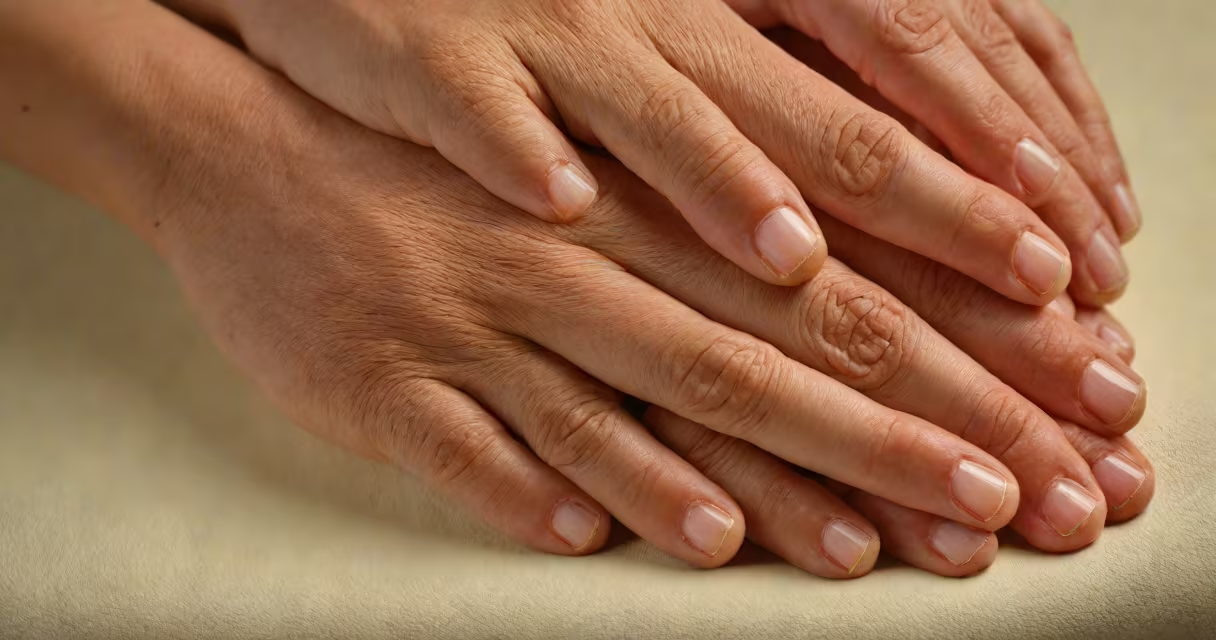
Swelling in hand and foot occurs when excess fluid accumulates in tissues, causing visible puffiness, tightness, or discomfort in the extremities. This condition may stem from trauma, systemic illness, or underlying circulatory or lymphatic dysfunction.
Fluid buildup happens when capillaries leak plasma into surrounding tissue spaces. Normally, the lymphatic system removes this fluid. When drainage fails or pressure increases, swelling develops. The hands and feet are common sites because they're gravity-dependent and have high capillary density.
Swelling in hand and foot can appear suddenly after an injury or develop gradually over days due to medical conditions. It often affects both sides symmetrically but may be unilateral in cases of localized trauma or infection. Swelling may feel warm, tender, or painful, especially under pressure.
How swelling in hand and foot develops
Swelling arises from increased hydrostatic pressure in blood vessels, reduced oncotic pressure, or impaired lymphatic drainage. The most common mechanism is increased capillary permeability due to inflammation or injury.
When tissue damage occurs-such as a sprained ankle or a jammed finger-immune cells release histamine and cytokines. These chemicals widen capillaries, allowing fluid and proteins to escape into interstitial space. The result is acute swelling within minutes to hours.
Chronic swelling involves systemic factors. For example, heart failure reduces cardiac output, leading to fluid retention and elevated venous pressure. This forces fluid out of capillaries, particularly in dependent areas like the feet and ankles. Similarly, kidney disease impairs sodium and water excretion, increasing fluid volume.
Types and causes of swelling in hand and foot
Swelling in hand and foot falls into three categories: acute, chronic, and idiopathic. Acute swelling typically follows trauma or infection. Chronic swelling results from long-term health issues. Idiopathic swelling has no identifiable cause despite evaluation.
| Type | Common Causes | Typical Duration | Key Signs |
|---|---|---|---|
| Acute | Injury, infection, gout attack | Hours to days | Pain, redness, warmth, rapid onset |
| Chronic | Heart failure, kidney disease, lymphedema | Weeks to months | Non-pitting, firm texture, persistent |
| Idiopathic | Unknown origin, sometimes autoimmune | Months to years | Gradual onset, mild symptoms |
One non-obvious distinction: pitting vs. non-pitting edema. Pitting edema leaves an indentation when pressed and resolves quickly. Non-pitting edema does not indent and feels firm. Lymphedema-a condition where lymph nodes fail to drain fluid-is a classic example of non-pitting swelling. It often begins subtly and worsens over time, especially with prolonged standing.
Autoimmune disorders such as rheumatoid arthritis can cause symmetrical swelling in the hands and feet. Joint inflammation leads to synovial fluid accumulation. A 2021 study in Arthritis & Rheumatology found that 68% of patients with early rheumatoid arthritis reported hand and foot swelling as an initial symptom.
When swelling in hand and foot signals a serious issue
Swelling in hand and foot is not always alarming. Mild swelling after walking or standing all day usually resolves overnight. But sudden, severe, or asymmetric swelling demands attention.
Red flags include swelling accompanied by chest pain, shortness of breath, or rapid heartbeat-signs of potential pulmonary embolism or heart failure. Swelling that spreads rapidly, especially with fever or skin discoloration, may indicate cellulitis or septic arthritis. These require antibiotics or surgical drainage.
I experienced this firsthand during a hiking trip. After stepping on a sharp rock, my left foot swelled within four hours. The area was hot, red, and tender. I applied ice and elevation, but swelling didn't improve after 24 hours. A visit to urgent care confirmed a minor fracture. Without imaging, the diagnosis would've been missed.
According to the American Heart Association, bilateral foot swelling with fatigue and weight gain may indicate heart failure. A 2020 review in JAMA Internal Medicine noted that 70% of patients with new-onset lower limb edema had undiagnosed cardiovascular disease upon further testing.
Differentiating swelling in hand and foot from similar conditions
Swelling in hand and foot is often confused with joint deformity, nerve compression, or skin changes. For example, carpal tunnel syndrome causes numbness and tingling in the hand but not swelling. Gout, however, can mimic swelling-it causes intense pain and redness in the big toe joint, often misdiagnosed as infection.
Another common mistake: assuming all swelling is due to salt intake. While high sodium contributes to fluid retention, it rarely causes isolated hand and foot swelling. True edema requires a breakdown in fluid regulation systems.
Some people mistake lymphedema for obesity-related swelling. Lymphedema is progressive and typically affects one limb. It doesn't improve with diuretics. In contrast, edema from heart or kidney disease responds to medication and dietary restriction.
Treatment and management
Management depends on the root cause. Acute swelling from injury responds well to RICE: rest, ice, compression, and elevation. Ice reduces blood flow to the area, minimizing inflammation. Compression bandages limit fluid accumulation.
For chronic swelling, treating the underlying condition is essential. Heart failure patients may need ACE inhibitors or diuretics. Kidney disease requires dialysis or medication to control electrolyte balance. Lymphedema is managed through manual lymphatic drainage and compression garments.
Home remedies like elevating limbs above heart level reduce swelling by promoting fluid return. Wearing compression socks can prevent pooling in the feet. Avoiding prolonged sitting or standing also helps.
When swelling persists beyond 48 hours, worsens, or affects mobility, consult a healthcare provider. Early intervention prevents complications like skin breakdown or permanent stiffness.
Swelling in hand and foot is not a single diagnosis but a sign of physiological imbalance. Recognizing patterns-onset speed, symmetry, associated symptoms-helps determine urgency. Early identification of cause prevents progression and improves outcomes.