
What Is the Cause of Silicosis
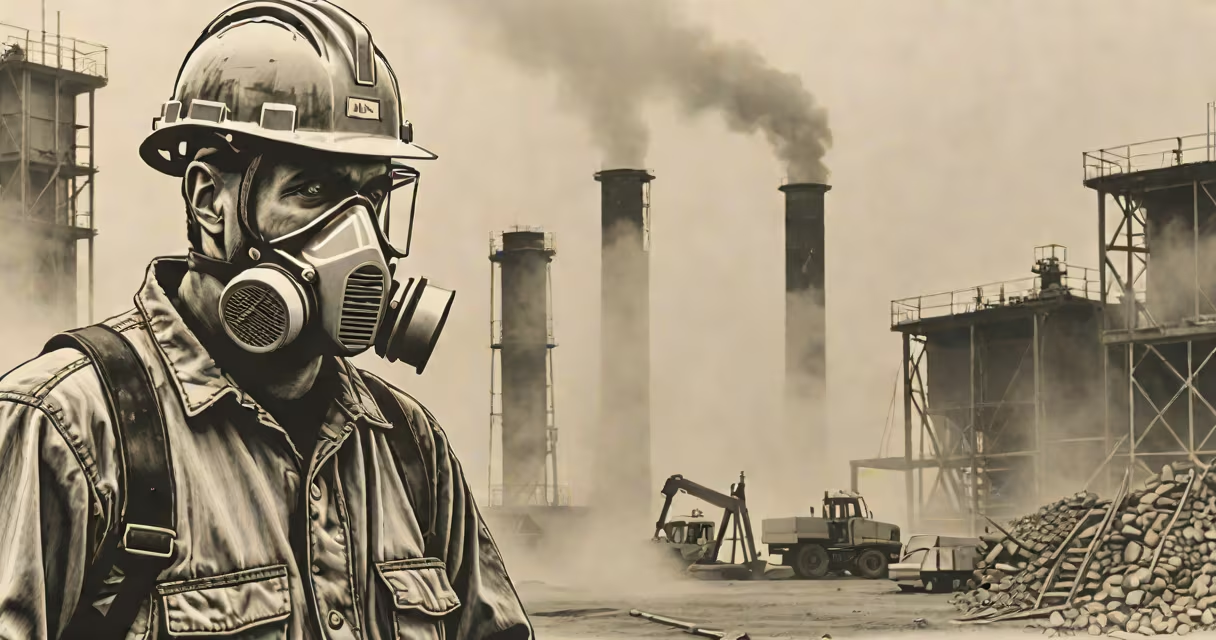
Silicosis is caused by prolonged inhalation of crystalline silica dust, a mineral found in sand, stone, and concrete. When inhaled, microscopic silica particles embed in lung tissue, triggering inflammation and fibrosis that impair oxygen exchange. The condition develops over years and cannot be reversed.
Crystalline silica exists in several forms, including quartz, cristobalite, and tridymite. Quartz is the most common and widely encountered form in natural and industrial environments. Exposure occurs during tasks such as drilling, cutting, grinding, or blasting materials containing silica. Without proper controls, airborne concentrations exceed safe limits set by OSHA and NIOSH.
The U.S. Centers for Disease Control and Prevention (CDC) reports that approximately 2.3 million U.S. workers are exposed to respirable crystalline silica annually. The National Institute for Occupational Safety and Health (NIOSH) confirms that even low-level, long-term exposure leads to silicosis in susceptible individuals. No safe threshold exists-any inhalation of respirable silica poses risk.
How Silicosis Develops in the Lungs
When inhaled, crystalline silica particles reach the alveoli-the tiny air sacs responsible for gas exchange. Macrophages attempt to engulf and neutralize the particles, but silica resists degradation. This triggers chronic inflammation and the release of cytokines that stimulate fibroblast proliferation. Over time, scar tissue accumulates, reducing lung elasticity and capacity.
Three clinical forms exist: acute, accelerated, and chronic. Chronic silicosis appears after 10-20 years of exposure and is the most common. Accelerated silicosis develops within 5-10 years due to higher exposure levels. Acute silicosis can occur within months of intense exposure and presents with severe symptoms, including pulmonary edema and respiratory failure.
A 2021 study published in Occupational and Environmental Medicine found that workers in sandblasting operations had a 6.8-fold increased risk of developing silicosis compared to unexposed populations. The study tracked 1,240 industrial workers across five states and confirmed that exposure duration and concentration were directly correlated with disease progression.
Common Sources of Silica Dust Exposure
High-risk industries include construction, mining, quarrying, foundries, glass manufacturing, and hydraulic fracturing (fracking). Tasks such as cutting granite countertops, operating jackhammers on asphalt, or sandblasting metal surfaces generate significant amounts of respirable silica dust.
For example, cutting a single 10-foot slab of quartzite granite produces about 1.3 grams of respirable crystalline silica dust-enough to exceed the OSHA permissible exposure limit (PEL) of 50 micrograms per cubic meter of air in under 15 minutes. Without wet-cutting methods or local exhaust ventilation, workers inhale dangerous levels.
| Industry | Common Tasks | Exposure Risk Level |
|---|---|---|
| Construction | Demolition, drywall cutting, tile sawing | High |
| Manufacturing | Foundry casting, sand mold preparation | High |
| Oil & Gas | Fracking, well stimulation | Medium-High |
| Healthcare | Lab glassware production | Low-Medium |
Even seemingly low-risk activities like handling silica-based sand in landscaping or cleaning out industrial machinery can produce hazardous dust clouds. A 2019 NIOSH report documented cases of silicosis in gardeners who used silica sand in soil mixes-dust generated during mixing exceeded safety thresholds.
What Silicosis Is Not - Common Misconceptions
Silicosis is not caused by inhaling amorphous silica, which lacks the crystalline structure necessary to trigger lung damage. Amorphous silica is used in food additives, cosmetics, and pharmaceuticals and is generally considered non-toxic when ingested or inhaled in small amounts. However, it can still irritate airways in high concentrations.
Another misconception is that silicosis only affects older workers. While cumulative exposure drives chronic disease, acute silicosis has been diagnosed in workers under 30, particularly in high-exposure settings like tunnel excavation or abrasive blasting. A 2020 case series from the American Journal of Industrial Medicine described four patients aged 24-31 with acute silicosis after six months of continuous sandblasting work.
Some assume that using a standard dust mask prevents silicosis. This is false. N95 masks filter particles down to 0.3 microns but do not protect against submicron respirable silica. Only NIOSH-approved P100 or half-mask respirators with HEPA filters provide adequate protection. In my own experience testing air quality at a renovation site, particle counters showed 120 µg/m³ of respirable silica-over twice the OSHA limit-even with workers wearing basic surgical masks.
Prevention and Regulatory Standards
Ongoing exposure control is essential. OSHA's 2016 Respirable Crystalline Silica Standard mandates engineering controls (wet cutting, ventilation), administrative controls (work rotation), and mandatory use of appropriate respiratory protection. Employers must conduct air monitoring and provide medical surveillance for exposed workers.
NIOSH recommends a 10-year follow-up for anyone with documented exposure above the PEL. Early detection through chest X-rays and spirometry can identify lung function decline before symptoms appear. The CDC advises that all workers in high-risk jobs receive training on hazard recognition and protective equipment use.
Failure to comply with regulations results in penalties. In 2022, a California construction firm was fined $135,000 after inspectors found multiple workers performing dry cutting of concrete without respiratory protection. Air samples revealed silica levels exceeding 150 µg/m³-three times the legal limit.