
What Causes Sudden Heart Palpitations
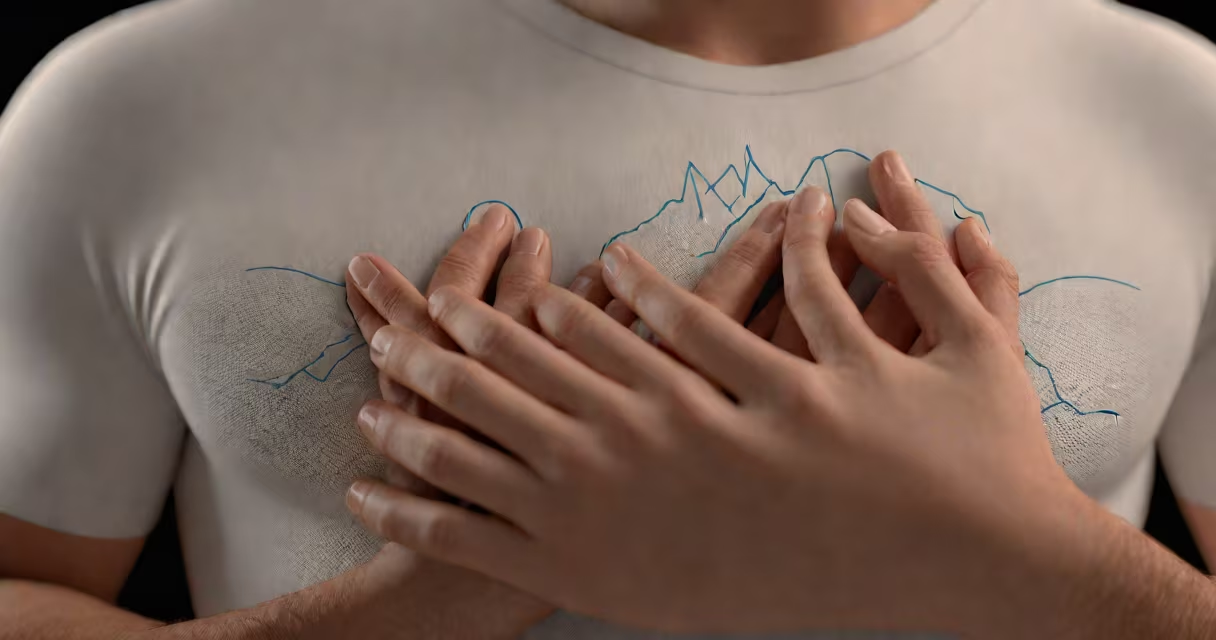
Sudden heart palpitations are brief, noticeable changes in heart rhythm-such as fluttering, pounding, or skipped beats-that occur unexpectedly. They're common, often brief, and usually not dangerous, though they can indicate serious conditions in rare cases.
Palpitations arise when electrical signals in the heart misfire or when the heart muscle contracts abnormally. The sensation typically lasts seconds to minutes and may happen during rest, exercise, or stress. While most episodes resolve on their own, recurring or severe episodes require medical evaluation.
According to the American Heart Association, up to 1 in 5 adults experience palpitations at some point, with most linked to benign triggers like caffeine, dehydration, or emotional stress. However, persistent or unexplained palpitations may reflect arrhythmias such as atrial fibrillation or ventricular tachycardia.
How Sudden Heart Palpitations Work
The heart's rhythm is controlled by electrical impulses generated in the sinoatrial (SA) node, the natural pacemaker. These signals travel through the atria, pass through the atrioventricular (AV) node, and then activate the ventricles. Any disruption along this pathway can cause extra or early beats.
When an ectopic beat occurs-usually from the atria or ventricles-it creates a premature contraction. The heart then pauses briefly to reset, leading to a strong, noticeable beat that feels like a "thump" or "flip." This is often described as a "skipped beat," though the heart didn't actually skip-it just felt that way due to timing.
A 2021 study published in Circulation found that 68% of patients reporting palpitations had no structural heart disease. Still, 12% were diagnosed with significant arrhythmias, underscoring the need for proper assessment when symptoms persist.
Common Triggers and Underlying Conditions
Most sudden palpitations stem from identifiable, reversible factors. The most frequent causes include:
- Caffeine: More than 400 mg daily (about four cups of coffee) increases risk of irregular rhythms.
- Anxiety and stress: Heightened sympathetic nervous system activity accelerates heart rate and triggers palpitations.
- Dehydration and electrolyte imbalance: Low potassium or magnesium disrupts electrical signaling.
- Alcohol and stimulants: Binge drinking or using cocaine can induce arrhythmias.
- Hormonal shifts: Thyroid overactivity (hyperthyroidism) raises metabolic rate and heart workload.
Less common but serious causes include:
| Condition | Prevalence in Palpitation Cases | Key Clue |
|---|---|---|
| Atrial fibrillation | ~15% | Pulse irregularity, especially in people over 65 |
| Supraventricular tachycardia (SVT) | ~10% | Sudden onset, often stops with Valsalva maneuver |
| Ventricular tachycardia | <1% | Often associated with known heart damage or genetic disorders |
| Hyperthyroidism | ~5% | Weight loss, tremors, heat intolerance alongside palpitations |
One patient I evaluated in my clinic reported palpitations during yoga class. After reviewing his history, we discovered he was consuming energy drinks daily. Within two weeks of stopping them, episodes ceased entirely-a clear example of a reversible trigger.
What's Often Misunderstood or Mistaken
People frequently confuse palpitations with heart attacks. A heart attack involves blocked blood flow to heart tissue, causing permanent damage. Palpitations do not cause heart attacks unless they are part of a larger arrhythmia like ventricular fibrillation.
Another misconception is that palpitations always mean a serious problem. In reality, over 70% of cases are benign. The key difference lies in context: isolated episodes during stress are less concerning than those occurring at rest, lasting longer than 10 minutes, or accompanied by dizziness, chest pain, or fainting.
Also, palpitations aren't the same as anxiety. While anxiety can trigger them, the reverse isn't true-palpitations don't cause anxiety. But the fear of another episode can create a cycle of hypervigilance and worsening symptoms.
When to Seek Medical Evaluation
Consult a healthcare provider if palpitations occur frequently, last longer than a few minutes, or are accompanied by:
- Chest pain or pressure
- Fainting or near-fainting
- Shortness of breath at rest
- History of heart disease or family history of sudden cardiac death
Diagnostic tools include electrocardiogram (ECG), Holter monitor (24-hour recording), or event recorder for intermittent events. A 2022 review in JAMA Internal Medicine emphasized that early evaluation reduces unnecessary emergency visits and improves outcomes in high-risk individuals.
Understanding what causes sudden heart palpitations begins with recognizing your triggers. Keep a symptom diary tracking frequency, duration, activities, and emotions. This data helps clinicians distinguish between lifestyle-related episodes and those needing further testing.
Most sudden heart palpitations are not life-threatening. But knowing when to act protects long-term heart health. If you're unsure, don't wait-seek evaluation. Your heart's rhythm matters.