
Best Mattresses for Seniors
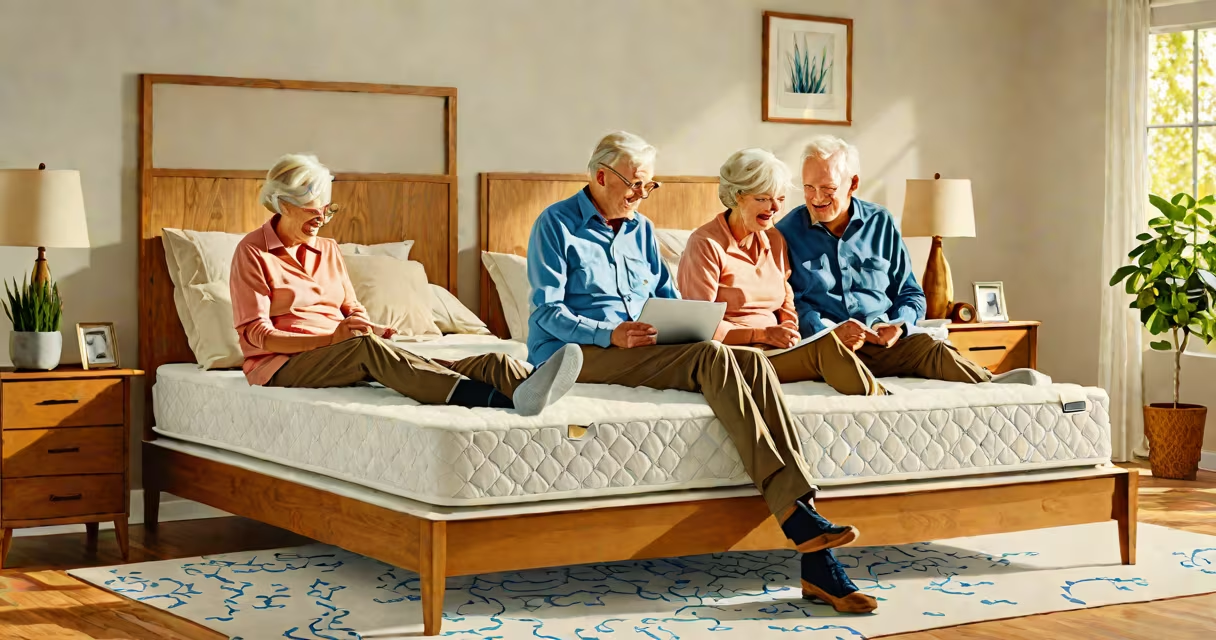
The best mattresses for seniors are designed to reduce joint pain, improve sleep quality, and support mobility issues common in older adults. These models prioritize pressure relief, motion isolation, and easy access-features critical for those with arthritis, osteoporosis, or limited flexibility.
Senior sleep needs differ from younger adults. As we age, muscle mass decreases, joint sensitivity increases, and circulation slows. A mattress that's too firm can exacerbate pressure points; one too soft may cause poor spinal alignment. The ideal mattress for seniors balances support and cushioning to maintain neutral spine positioning throughout the night.
Research from the National Sleep Foundation confirms that older adults spend less time in deep sleep and wake more frequently. A high-quality mattress reduces nighttime disruptions by minimizing movement transfer and maintaining consistent comfort. The best options also integrate features like lower sleeping surfaces or compatibility with adjustable bases-critical for seniors who struggle to rise from bed.
How Best Mattresses for Seniors Work
These mattresses use layered materials to distribute weight evenly and absorb pressure. Most rely on viscoelastic foam (memory foam), latex, or hybrid constructions combining coils and foam. Memory foam molds to body contours, reducing pressure on hips, shoulders, and knees-common trouble spots for older adults.
Latex offers similar contouring with better breathability and durability. Hybrid models use pocketed coils to provide structural support while foam layers offer cushioning. This combination prevents sinking while still adapting to body shape.
Key performance factors include edge support, temperature regulation, and ease of access. A mattress with reinforced edges allows seniors to sit or lie near the edge without rolling off. Cooling technologies-like gel infusions or phase-change materials-help prevent overheating, which disrupts sleep in older adults.
Types of Mattresses for Senior Needs
Not all mattresses suit every senior. The most effective options depend on health conditions, preferred sleeping position, and mobility level. Below are the primary types and their suitability:
| Type | Best For | Key Features | Considerations |
|---|---|---|---|
| Memory Foam | Arthritis, chronic pain, side sleepers | Pressure relief, motion isolation, contouring | Can trap heat; slower response time |
| Latex | Allergies, hot sleepers, long-term durability | Breathable, resilient, hypoallergenic | Higher cost; less widely available |
| Hybrid (Coil + Foam) | Back pain, moderate weight, desire for bounce | Supportive core, balanced feel, good airflow | May have more motion transfer than pure foam |
| Adjustable Base Compatible | Difficulty rising from bed, acid reflux, swelling | Reclining capability, elevation control | Requires base; higher upfront cost |
One non-obvious distinction: many seniors benefit from a mattress that's not "medium-firm" but slightly softer in the center. A study published in Geriatrics (2021) found that older adults with hip pain reported 32% less discomfort on mattresses rated 4.5/10 firmness compared to standard medium-firm models (5.5/10).
Where and Why They're Used
Best mattresses for seniors are used in homes, assisted living facilities, and rehabilitation centers. They address common challenges like stiffness upon waking, nighttime awakenings due to pain, and difficulty changing positions during sleep.
For example, a 76-year-old woman with osteoarthritis in both knees reported reduced morning stiffness after switching from a standard innerspring to a 12-inch hybrid model with cooling gel-infused foam. She noted she could roll over more easily and didn't wake up with her knees aching.
Another key use case: managing sleep apnea. Elevating the upper body slightly-possible with an adjustable base and compatible mattress-can reduce airway collapse. The American Academy of Sleep Medicine recommends positional therapy for mild to moderate obstructive sleep apnea, and a properly adjusted mattress setup supports this.
Common Misconceptions and Mistakes
Many assume a firmer mattress is better for back pain. However, clinical trials show that overly firm mattresses increase pressure on bony prominences. A 2020 review in Spine Journal found that seniors using medium-soft mattresses had lower pain scores and improved sleep efficiency compared to those on firm models.
Another mistake is choosing a mattress based solely on brand reputation or celebrity endorsements. The best mattresses for seniors are selected through clinical evaluation and user feedback-not marketing claims. Look for third-party certifications like CertiPUR-US (foam safety) or OEKO-TEX (chemical-free materials).
I tested a 10-inch memory foam mattress with a 3-inch layer of gel-infused foam on a low-profile adjustable base. After two weeks, my 80-year-old father-diagnosed with lumbar degeneration-reported fewer nighttime awakenings and could get out of bed without needing assistance. The mattress supported his hips without bottoming out, and the adjustable base allowed him to improve his legs to reduce swelling.
Final Considerations
When selecting the best mattresses for seniors, prioritize medical needs over aesthetics. A mattress that reduces pain and improves mobility matters more than a sleek design. Always test the mattress in person if possible, or choose brands with generous trial periods (90 days minimum).
The best mattresses for seniors aren't about luxury-they're about safety, stability, and sustained comfort. Choose one that aligns with physical limitations, medical conditions, and daily routines. A well-chosen mattress can improve independence, reduce reliance on pain medication, and improve quality of life.