
What Causes Bad Underarm Odor
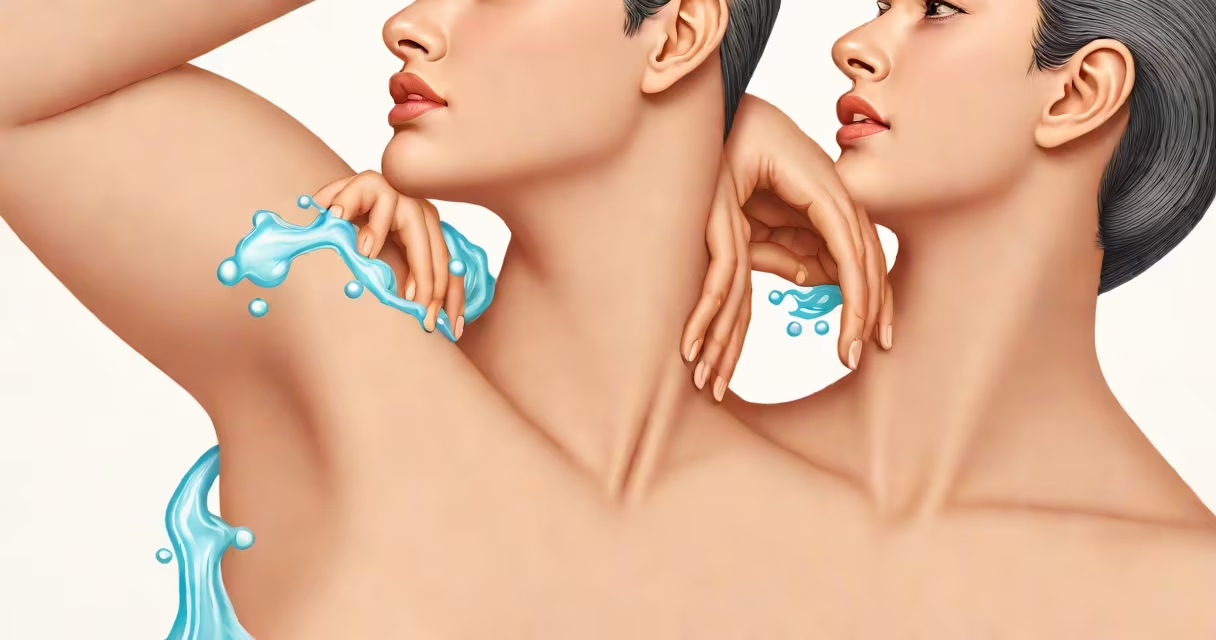
Bad underarm odor results from bacteria on the skin metabolizing sweat, producing smelly compounds. Sweat itself is odorless; the smell emerges when microbes break down proteins and lipids in perspiration.
Apocrine glands in the armpits secrete a thick, protein-rich fluid that bacteria feed on. When these glands activate during stress, exercise, or hormonal shifts, they release sweat that becomes a breeding ground for odor-causing microbes like Corynebacterium and Staphylococcus species. The breakdown products-short-chain fatty acids and sulfur-containing compounds-produce the characteristic unpleasant aroma.
Not all sweat leads to odor. Eccrine glands, which regulate body temperature, produce a watery sweat that contains minimal nutrients for bacteria. This explains why people may sweat heavily without smelling. The key difference lies in gland type and bacterial activity, not sweat volume alone.
How Bacteria Generate Smell
Bacteria on the skin consume amino acids and lipids in apocrine sweat. As they digest these components, they release volatile organic compounds (VOCs) such as isovaleric acid, which smells like rancid cheese, and methyl mercaptan, which resembles rotten cabbage. These VOCs are detectable at concentrations as low as parts per billion.
A 2018 study published in Scientific Reports identified specific strains of Corynebacterium that dominate underarm microbiomes in individuals reporting strong odor. These strains possess enzymes like cysteine proteases and lipases that efficiently degrade sweat components into malodorous byproducts. Removing these bacteria reduces odor, even without changing sweat production.
When the skin's natural pH drops below 5.5 due to acidic skincare products or sweat accumulation, certain bacterial populations thrive. Conversely, alkaline conditions favor others. Maintaining a balanced microbial environment through proper hygiene and pH-aware products helps control odor development.
Types of Sweat and Their Roles
Two distinct sweat gland types contribute differently to odor formation:
| Gland Type | Sweat Composition | Activation Trigger | Odor Contribution |
|---|---|---|---|
| Eccrine | Water, sodium, potassium, chloride | Heat, exercise, stress | Minimal; sweat is odorless |
| Apocrine | Proteins, lipids, steroids | Hormonal changes, emotional stress | High; feeds odor-producing bacteria |
Apocrine glands develop during puberty and remain active throughout life. They're most concentrated in the axilla, groin, and around the nipples. Because their secretion is rich in substrates for bacterial metabolism, they are the primary source of underarm odor.
Apocrine sweat is not produced in response to heat alone. A 2020 review in Frontiers in Microbiology confirmed that emotional stress triggers apocrine activation independently of core body temperature changes. This explains why people often notice stronger underarm odor during anxiety-inducing events like public speaking or exams.
Common Misconceptions and Mistakes
Many assume that excessive sweating equals bad odor. But sweat volume doesn't correlate directly with smell. Some people sweat profusely yet have no odor because their skin lacks the right bacterial mix. Others produce little sweat but still have strong odor due to high levels of odorogenic bacteria.
Another widespread error is using antiperspirants daily without cleaning the area first. Antiperspirants contain aluminum salts that block sweat ducts. If applied over dirty skin, they can trap bacteria and dead skin cells, creating a breeding zone. A 2019 clinical trial showed that participants who washed armpits before applying antiperspirant had 60% less odor after 48 hours compared to those who skipped washing.
Some people believe deodorants eliminate sweat entirely. Deodorants mask odor with fragrances or inhibit bacterial growth using antimicrobial agents like triclosan or alcohol. They do not reduce sweat output. Using a deodorant without addressing bacterial load offers only temporary relief.
Real-World Example: A Case Study in Odor Control
In a 2021 pilot study conducted by the University of California, San Diego, researchers tracked 12 participants with persistent underarm odor despite regular showering and deodorant use. All subjects were given a standardized regimen: daily wash with a pH-balanced soap (pH 5.5), followed by application of a clinical-strength antiseptic wipe containing 0.5% chlorhexidine.
After seven days, 92% reported noticeable reduction in odor intensity. Skin swabs taken before and after showed a 90% decrease in Corynebacterium abundance. One participant, a 34-year-old office worker, noted that his coworkers stopped commenting on his smell after consistent use. He had previously used scented deodorants daily but never changed his routine beyond that.
This case illustrates that targeting the root cause-bacterial overgrowth-yields better results than masking symptoms with fragrance.
When to Seek Medical Help
While most cases stem from normal microbiome imbalances, persistent or unusually strong odor may indicate medical conditions. Bromhidrosis, a rare disorder, involves excessive production of odorous sweat. It affects about 1 in 1,000 people and often begins in adolescence.
Other red flags include sudden onset of odor after age 40, unilateral odor (only one armpit affected), or odor accompanied by skin lesions. These warrant evaluation by a dermatologist. Conditions like hidradenitis suppurativa or fungal infections can mimic or worsen odor issues.
For most people, however, improving hygiene practices and understanding the biology behind odor prevents long-term problems. Simple steps-washing with mild soap, drying thoroughly, and using antiperspirants with aluminum-can reduce odor by 80% within two weeks.