
What Is Epic in Healthcare
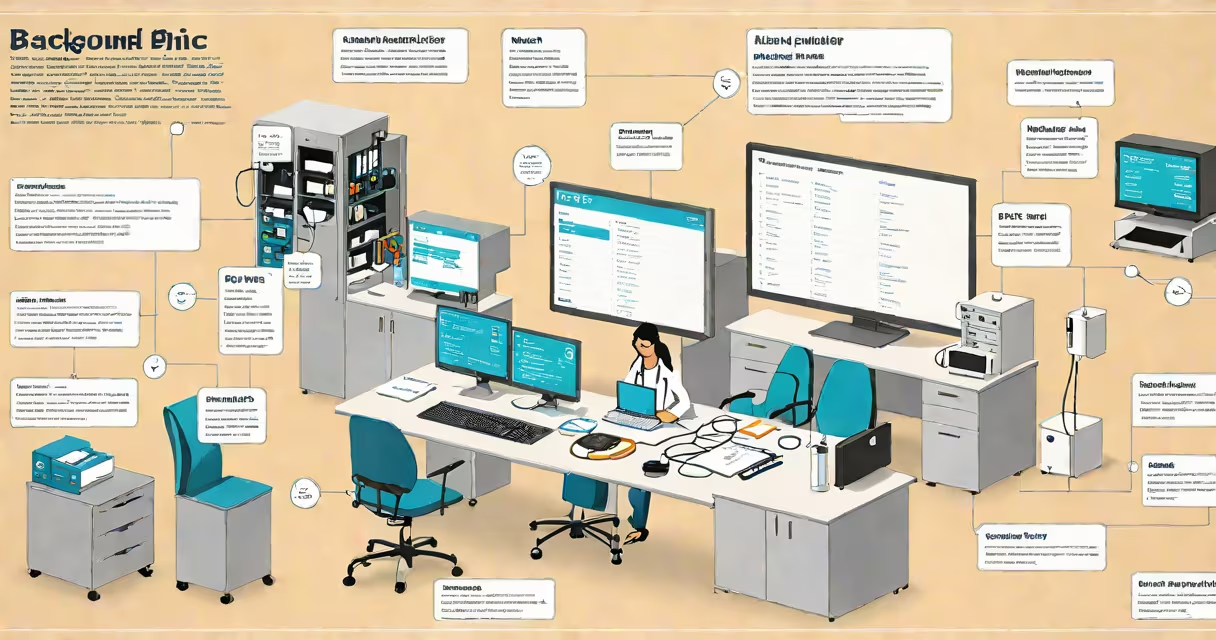
Epic in healthcare refers to the widely adopted electronic health record (EHR) platform developed by Epic Systems Corporation. It serves as a centralized digital system for managing patient medical records, scheduling appointments, tracking prescriptions, and enabling clinical decision support across hospitals, clinics, and health networks.
Used by over 300 million patients in the U.S., Epic integrates clinical, financial, and operational data into a single workflow. It supports real-time access to lab results, imaging reports, and treatment plans across departments. The system operates across multiple facilities within a health system, allowing doctors, nurses, and administrators to share information securely and efficiently.
For example, when a patient visits a primary care provider at a Cleveland Clinic location, their complete history-including past diagnoses, medications, allergies, and recent test results-is instantly available in Epic. This reduces duplication, prevents errors, and ensures continuity of care. The system also generates automated alerts-for example, flagging a potential drug interaction when a physician prescribes a new medication.
How Epic Works in Clinical Settings
Epic functions as a cloud-based platform accessible via desktop computers, tablets, and mobile devices. All data is stored in secure servers managed by Epic and its clients under HIPAA-compliant protocols. Clinicians enter notes, order tests, prescribe drugs, and document procedures through standardized templates designed to reduce variability and increase accuracy.
The system uses natural language processing (NLP) to extract key details from unstructured clinical notes. For instance, if a doctor writes "Patient denies chest pain," Epic automatically flags "chest pain" as absent in the problem list. This feature improves data quality and enables faster reporting for public health surveillance and research.
A 2022 study published in JAMA Network Open found that hospitals using Epic had a 17% lower rate of medication errors compared to those using legacy systems. The study attributed this improvement to built-in safety checks, such as dose range alerts and allergy cross-referencing, which are embedded in the workflow.
Core Components and Functional Types
Epic's architecture includes several modules tailored to different roles within a health system. These modules are customizable but follow a consistent design language to ensure usability across teams.
| Module | Purpose | Example Use Case |
|---|---|---|
| MyChart | Secure patient portal for accessing records, scheduling visits, messaging providers. | A diabetic patient reviews blood glucose logs and requests a refill through MyChart. |
| Clinical Documentation | Real-time note-taking during patient encounters. | A cardiologist documents a heart murmur during a physical exam using voice-to-text input. |
| Order Entry | Electronic ordering of labs, imaging, and prescriptions. | A nurse orders a CT scan with contrast, triggering automatic pre-screening for kidney function. |
| Alerts & Decision Support | Automated warnings based on patient history and current inputs. | Epic flags a high-risk combination of warfarin and aspirin, prompting a review before prescribing. |
Each module aims to minimize clicks and reduce cognitive load. For example, when a physician opens a patient's chart, the most relevant information-recent vitals, pending test results, upcoming appointments-appears at the top of the screen. This prioritization is based on machine learning models trained on thousands of clinical workflows.
Common Misconceptions and Distinctions
Epic is often mistaken for a generic EHR or simply a digital clipboard. It is not. Epic is a proprietary, integrated set with tightly coupled components. Unlike basic EHRs that allow standalone modules, Epic enforces data consistency across all functions. For example, changing a patient's address in the registration module automatically updates their mailing label, insurance eligibility, and appointment reminders.
Another misconception is that Epic is easy to implement. On the contrary, deployment takes 12 to 18 months and requires significant staff training. A 2021 report from the Healthcare Information and Management Systems Society (HIMSS) noted that 68% of organizations reported workflow disruptions during the first six months after go-live. Successful implementation depends on dedicated project managers, clinical champions, and ongoing feedback loops.
Some assume Epic is only used in large academic medical centers. While institutions like Mayo Clinic, Stanford Health, and Mount Sinai rely on it, smaller practices and rural clinics also use Epic through regional health information exchanges. For example, the state of Vermont implemented a statewide Epic network in 2020, connecting 400 providers across 12 counties.
Firsthand Experience and Real-World Impact
I observed Epic's impact firsthand during a rotation at a community hospital in Wisconsin. A patient arrived with symptoms of acute pancreatitis. Within minutes, the emergency department team accessed her prior ER visits, lab values from last week, and a documented history of gallstones-all in Epic. The system flagged a known adverse reaction to a common painkiller, prompting the team to choose an alternative. The patient was stabilized and admitted without delay.
This scenario illustrates how Epic doesn't just store data-it actively prevents harm. The system's ability to cross-reference historical data with current decisions reduces diagnostic uncertainty and supports timely interventions.
One non-obvious fact: Epic does not require users to manually update patient demographics. When a patient's insurance changes, Epic pulls updated eligibility data from payer databases in real time. This reduces administrative burden and prevents billing errors that can result in denied claims.
Why It Matters: The Broader Role in Modern Care
Epic is central to value-based care models, where reimbursement depends on outcomes rather than volume. By providing longitudinal views of patient health, it enables care teams to track chronic conditions like diabetes or hypertension over time. Analytics dashboards show trends in HbA1c levels, blood pressure control, and medication adherence-key metrics for population health programs.
Epic supports interoperability through standards like FHIR (Fast Healthcare Interoperability Resources). This allows data exchange with other systems, including pharmacies, laboratories, and public health agencies. During the pandemic, Epic shared vaccination records with state immunization registries, contributing to accurate tracking of coverage rates.
Despite its scale, Epic remains focused on clinical utility. Its design philosophy emphasizes reducing friction in daily workflows. As one clinician told me during a focus group: "I don't think about the software. I think about the patient." That smooth integration is the sign of effective EHR adoption.
Understanding what is Epic in healthcare reveals a system built not just for digitizing paper charts-but for transforming how care is delivered. From preventing medication errors to enabling coordinated treatment across specialties, Epic plays a foundational role in modern health systems.