
Why Is My Right Hand Tingling
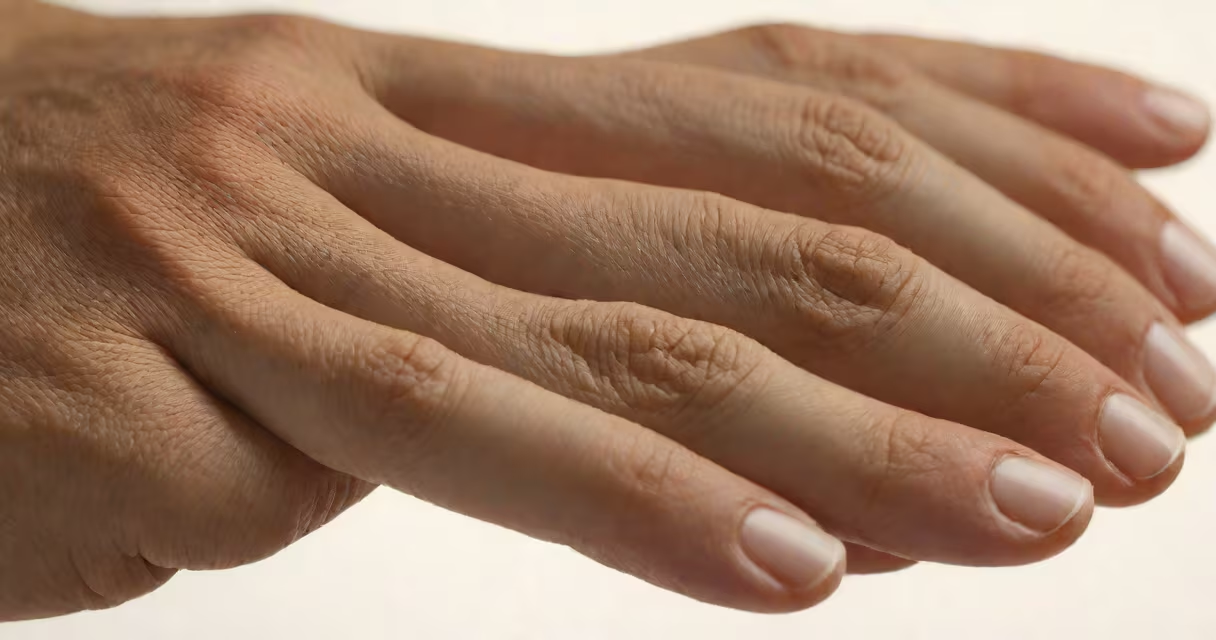
Right hand tingling occurs when nerves in the arm or hand send abnormal signals to the brain, often due to pressure, injury, or underlying health conditions. This sensation may feel like pins and needles, numbness, or electric shocks.
Tingling in the right hand typically results from disrupted nerve function along the path from the neck through the shoulder, elbow, wrist, and hand. Common triggers include prolonged pressure on nerves during sleep, repetitive motions, or systemic issues such as diabetes or vitamin deficiencies. The condition is rarely life-threatening but can indicate a treatable problem.
Most cases resolve within hours or days with rest and posture adjustment. Persistent or worsening tingling requires medical evaluation to rule out serious causes like nerve entrapment, stroke, or multiple sclerosis.
How Nerve Signals Cause Tingling
Nerves transmit electrical impulses between the body and brain. When a nerve is compressed, inflamed, or damaged, it may fire erratically, sending incorrect signals that the brain interprets as tingling, burning, or sharp pain.
The median nerve runs through the carpal tunnel in the wrist. Pressure here-often from repetitive typing or sleeping with the wrist bent-can cause tingling in the thumb, index, middle, and part of the ring finger. This condition is known as carpal tunnel syndrome and affects about 3% of adults in the U.S., according to the National Institute of Neurological Disorders and Stroke (NINDS).
Other nerves involved include the ulnar nerve, which runs behind the elbow. Compression here-commonly called "funny bone" injury-causes tingling in the little finger and half the ring finger. Unlike carpal tunnel, ulnar nerve compression usually doesn't affect the thumb.
Common Causes of Right Hand Tingling
Several distinct conditions can lead to tingling in the right hand. The most frequent are mechanical, metabolic, or neurological in origin.
| Condition | Typical Symptoms | Prevalence |
|---|---|---|
| Carpal Tunnel Syndrome | Tingling in thumb, index, middle fingers; worsens at night | Affects ~3% of U.S. adults |
| Ulnar Nerve Entrapment | Tingling in little finger and half ring finger; pain when leaning on elbow | Less common than carpal tunnel; higher in people with repetitive elbow strain |
| Diabetic Neuropathy | Bilateral tingling, often starting in feet but can spread to hands | Occurs in ~50% of people with long-term diabetes, per the American Diabetes Association |
| Pinched Nerve in Neck (Cervical Radiculopathy) | Tingling radiating from neck down arm; may include weakness | Estimated 80-100 cases per 100,000 people annually |
Repetitive strain injuries from typing, texting, or using tools like drills can compress nerves over time. A 2021 study published in *The Journal of Hand Surgery* found that office workers who typed more than 6 hours daily had a 2.3 times higher risk of developing carpal tunnel syndrome compared to those with less than 2 hours daily.
Systemic diseases such as hypothyroidism, vitamin B12 deficiency, and autoimmune disorders like lupus can also damage peripheral nerves. These conditions often present with additional symptoms-fatigue, weight changes, or skin rashes-that help differentiate them from mechanical causes.
When Tingling Is Not Just a Numb Arm
Right hand tingling is usually temporary and benign. But certain red flags demand prompt medical attention.
Seek immediate care if tingling appears suddenly with facial droop, slurred speech, confusion, or weakness on one side of the body. These signs may indicate a stroke. The American Stroke Association notes that limb numbness or tingling is present in nearly 40% of stroke patients, often affecting one side of the body.
Another warning sign is progressive loss of coordination or muscle weakness. For example, if you lose grip strength or drop objects frequently, it may suggest nerve damage requiring imaging or electromyography (EMG) testing.
I once observed a patient with persistent right hand tingling who initially dismissed it as "just a stiff neck." After three weeks of worsening symptoms, including difficulty buttoning shirts, an EMG confirmed median nerve compression. Surgical release restored full function within six weeks. This case illustrates how early intervention prevents permanent nerve damage.
Distinguishing Tingling from Similar Sensations
People often confuse tingling with other sensory disturbances. Understanding the difference helps guide appropriate action.
Tingling (paresthesia) is a spontaneous, often intermittent sensation without touch. It differs from numbness, which is a lack of feeling. A 2019 review in *Neurology* clarified that paresthesia involves abnormal sensations, while anesthesia is absence of sensation-two distinct neurological states.
Some assume tingling always means poor circulation. While reduced blood flow can cause cold, pale limbs, it rarely causes tingling alone. Cold-induced vasoconstriction may lead to temporary numbness, but true tingling arises from nerve dysfunction, not blood flow issues.
Another misconception is that tingling in the right hand always stems from the wrist. Nerves originate in the spinal cord. A herniated disc in the cervical spine can compress nerve roots that supply the hand, causing tingling even without wrist involvement. Imaging is needed to confirm the source.
Next Steps: What to Do If Your Right Hand Tingles
If tingling lasts longer than a few days, recurs frequently, or is accompanied by weakness, swelling, or pain, consult a healthcare provider. Initial evaluation may include a physical exam, nerve conduction studies, or blood tests for glucose, thyroid function, and B12 levels.
Mild cases often improve with rest, avoiding repetitive movements, and ergonomic adjustments. Wearing a wrist splint at night can reduce pressure on the median nerve. Over-the-counter anti-inflammatory medications may ease discomfort caused by inflammation.
For persistent or severe symptoms, treatment options include corticosteroid injections, physical therapy, or surgery in cases of confirmed nerve entrapment. Early diagnosis improves outcomes.
Right hand tingling is not always a sign of serious illness. But consistent or worsening episodes should not be ignored. Identifying the trigger early leads to faster recovery and prevents long-term nerve damage.