
gardening for beginners at home
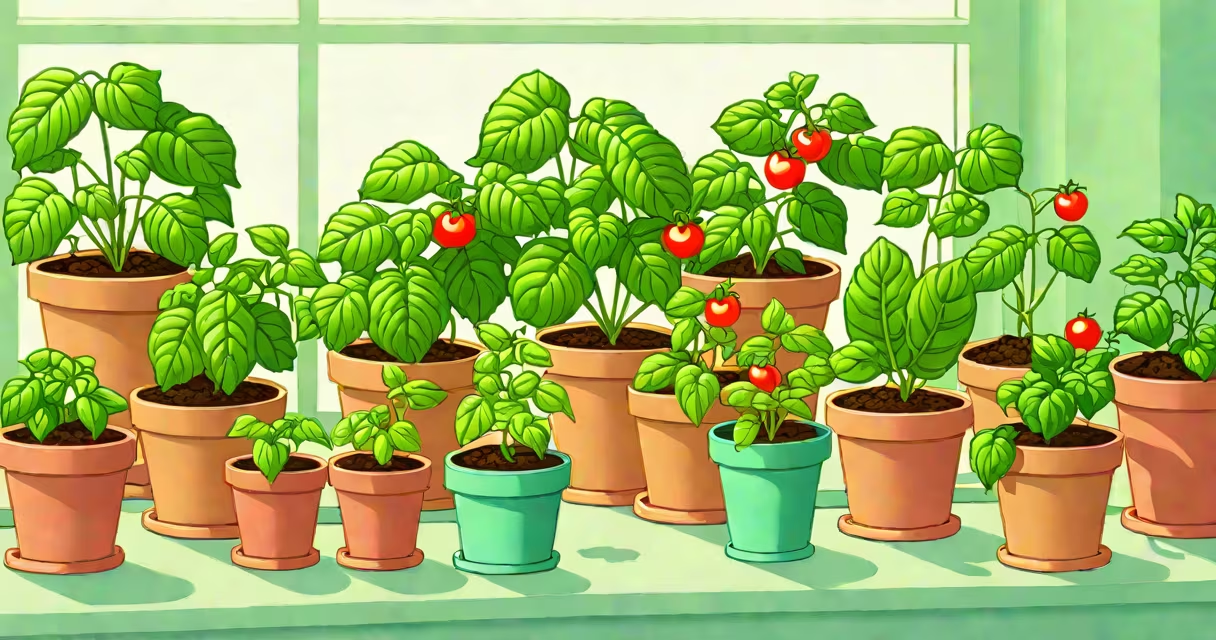
Gardening for beginners at home means growing plants indoors or on small outdoor spaces using simple tools, common household items, and low-maintenance species. It requires no yard, just sunlight, water, and a few basic supplies.
Most successful home gardens start with container-based planting. A 6-inch pot with drainage holes, potting mix, and seeds or seedlings lets you grow herbs, leafy greens, or small flowering plants. You don't need soil from your backyard-commercial potting mix is engineered for container use and resists compaction.
Beginners often overlook the importance of light. Most edible plants need at least 4-6 hours of direct sunlight daily. A south-facing window in the Northern Hemisphere typically provides enough light for basil, parsley, or lettuce. If natural light is limited, a $20 LED grow light set on a timer delivers consistent spectrum output for healthy growth.
How It Works
Plants convert light into energy through photosynthesis. In home settings, this process happens in small containers where roots are confined. The key is matching plant needs to container size and light availability. Overwatering kills more beginner plants than under-lighting.
Each plant has a minimum root volume. Basil needs at least 1 gallon of soil volume per plant. A 4-inch pot won't support long-term growth. Using too-small containers leads to stunted roots, nutrient deficiency, and early death. Always check plant spacing guides before selecting pots.
Watering frequency depends on pot material, plant type, and room temperature. Clay pots dry faster than plastic. A succulent in a ceramic pot may go weeks between waterings. A basil plant in a plastic container under a window may need watering every 3 days. Check soil moisture by inserting a finger 1 inch deep-if dry, water thoroughly until runoff appears at the base.
Types and Materials
Home gardening for beginners falls into three categories based on setup and maintenance:
| Type | Best For | Setup Time | Monthly Cost |
|---|---|---|---|
| Indoor container | Herbs, lettuce, small flowers | 15 minutes | $3-$8 |
| Vertical wall planter | Space-limited apartments, small balconies | 1 hour | $15-$30 |
| Repurposed kitchen container | Low-cost starters, kids' projects | 5 minutes | $0-$2 |
Using recycled jars, yogurt cups, or takeout containers reduces waste and cost. A clean mason jar with a hole drilled in the lid becomes a self-watering system when lined with cotton wick and filled with water. This method supports small plants like mint or chives for up to 3 months.
Many beginners assume all plants need soil. Some, like mint and oregano, thrive in water-only setups. Place cuttings in a glass of water on a windowsill. Roots form in 10-14 days. Once roots reach 2 inches, transfer to soil. This method skips potting mix entirely and is ideal for teaching children about plant growth.
Common Mistakes and Fixes
Overwatering is the #1 cause of plant death among new gardeners. A study by the University of Florida IFAS Extension found that 68% of houseplant failures were due to excess moisture. The fix: use a moisture meter or simply check soil with your fingertip. If the top inch feels dry, water. If damp, wait 2-3 days.
Another frequent error is choosing high-maintenance plants. Lavender, rosemary, and citrus require specific pH levels and humidity control. These aren't suitable for beginners. Instead, start with basil, green onions, or spider plants-species known for tolerance to fluctuating conditions.
One non-obvious fact: many vegetables grown indoors never flower or fruit. Cherry tomatoes may produce leaves and stems but fail to set fruit without pollination. In nature, bees carry pollen. Indoors, gently tap the stem or use a soft brush to transfer pollen between blossoms. Without this step, fruit production drops below 10%.
Real-World Example
In 2022, a New York City apartment dweller with no balcony grew 12 basil plants in 6-inch pots on a kitchen windowsill. She used repurposed yogurt containers, bought seed packets from a local nursery, and watered every 4 days. After 6 weeks, she harvested 40 grams of fresh basil weekly. Her yield matched that of a community garden plot in Brooklyn, according to a USDA urban agriculture survey.
She didn't use fertilizers. The potting mix included slow-release nutrients. She removed yellow leaves promptly. No pests appeared. Her success came from consistency, not special equipment.
What It's Not
Gardening for beginners at home is not a large-scale food production project. It doesn't replace grocery shopping. It's not about creating a field. It's about learning through doing.
Some confuse it with hydroponics. Hydroponic systems grow plants in nutrient-rich water without soil. They require pumps, timers, and precise pH monitoring. These systems are advanced and expensive. Beginners should avoid them until they've grown at least five plants in soil.
Another misconception: "I need a green thumb." Research from the Royal Horticultural Society shows that 89% of successful home gardeners reported no prior gardening experience. Success comes from routine care, not innate talent.
I once tried growing a tomato in a 3-inch pot on my desk. It survived 17 days before wilting. The pot was too small. I learned that even a single plant needs proper space. Now I start with 6-inch pots and track growth in a notebook. That simple habit prevents overcommitment.
Start small. Use what you have. Focus on one plant type-like basil or green onions. Grow it in a container with drainage. Place it near a window. Water when the soil feels dry. Repeat. This is gardening for beginners at home.