
What Causes SIBO in Humans
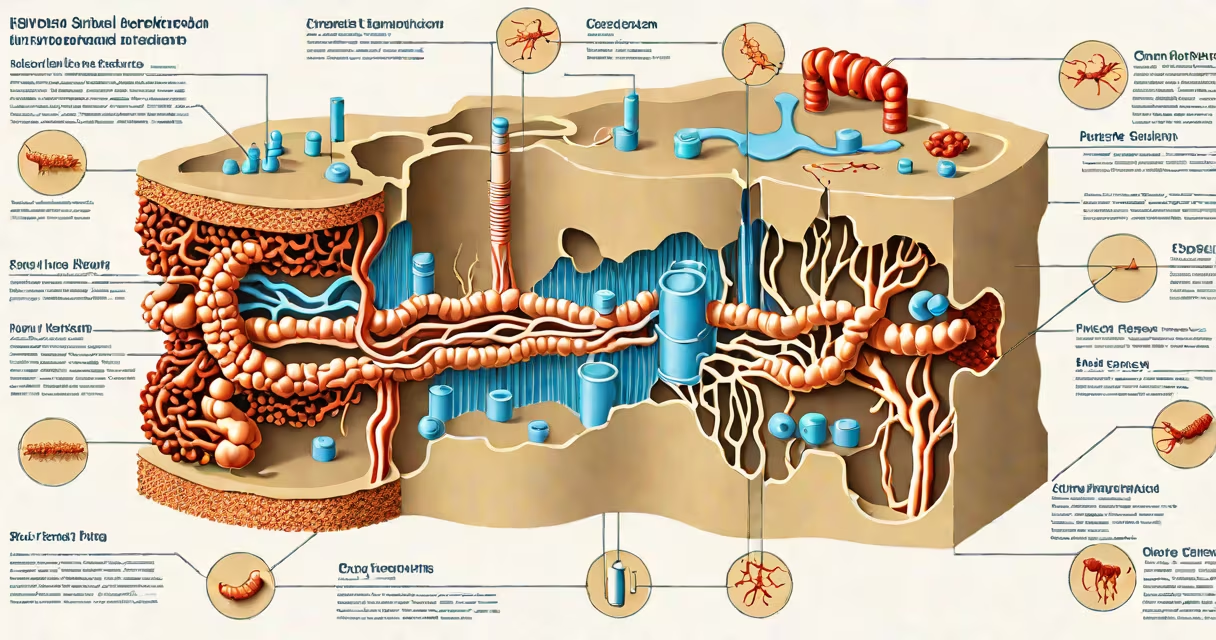
Small intestinal bacterial overgrowth (SIBO) occurs when excessive bacteria-typically found in the colon-colonize the small intestine, disrupting digestion and nutrient absorption. This condition arises from impaired gut motility, structural abnormalities, or compromised immune defenses in the small bowel.
SIBO develops when the normal mechanisms that prevent bacterial colonization in the small intestine fail. The small intestine aims to maintain low bacterial counts through coordinated contractions (migrating motor complexes), gastric acid secretion, pancreatic enzyme release, and local immune surveillance. When any of these systems falter, bacteria proliferate and ferment carbohydrates, leading to gas production, inflammation, and malnutrition.
Research identifies three primary pathways: impaired motility due to neurological or muscular dysfunction, anatomical disruptions such as diverticula or surgical bypasses, and reduced gastric acidity from medications or chronic illness. These conditions create environments where bacteria survive and multiply where they should not.
How SIBO Develops: Key Mechanisms
The small intestine normally clears bacteria through rhythmic contractions known as migrating motor complexes (MMCs). These occur during fasting and sweep residual contents toward the colon. When MMCs are disrupted-by diabetes, Parkinson's disease, or prior abdominal surgery-bacteria accumulate and begin fermenting undigested food particles.
Structural issues also enable bacterial overgrowth. Postsurgical changes, such as blind loops created by bowel resection or anastomosis, trap food and allow bacteria to thrive. A 2021 study in Gastroenterology found that 30% of patients with post-surgical SIBO had detectable blind loop structures on imaging, compared to less than 5% in healthy controls.
Reduced gastric acid output further increases risk. Proton pump inhibitors (PPIs), commonly prescribed for reflux, lower stomach acidity. This weakens the natural barrier against ingested bacteria. A 2020 cohort analysis from the Journal of Clinical Gastroenterology showed PPI users had a 2.3-fold higher incidence of SIBO over five years compared to non-users.
Types of SIBO and Their Underlying Triggers
SIBO is categorized by the predominant bacterial type involved. The most common form is hydrogen-dominant SIBO, caused by gram-negative bacteria like *Escherichia coli* and *Enterobacter*. These ferment carbohydrates rapidly, producing hydrogen gas that leads to bloating, diarrhea, and flatulence.
Hydrogen sulfide (H₂S)-dominant SIBO involves sulfate-reducing bacteria such as *Desulfovibrio*. This subtype is linked to chronic constipation and severe abdominal pain. Unlike hydrogen-producing strains, H₂S is toxic to enterocytes and may contribute to mucosal damage and increased intestinal permeability.
Finally, methane-dominant SIBO results from methanogenic archaea like *Methanobrevibacter smithii*. These organisms consume hydrogen and produce methane, which slows intestinal transit. Patients often present with constipation, weight gain, and fatigue. Methane levels above 10 parts per million (ppm) in breath tests correlate strongly with slow-transit constipation.
| Type | Bacterial Agent | Primary Symptoms | Common Risk Factors |
|---|---|---|---|
| Hydrogen-dominant | *E. coli*, *Enterobacter* | Bloating, diarrhea, gas | PPI use, diabetes, post-surgical changes |
| Hydrogen sulfide-dominant | *Desulfovibrio* | Constipation, severe pain, nausea | Chronic antibiotic exposure, high-sulfur diet |
| Methane-dominant | *Methanobrevibacter smithii* | Constipation, fatigue, weight gain | Slow transit disorders, prior bowel surgery |
Common Misconceptions and Confusions
SIBO is frequently mistaken for irritable bowel syndrome (IBS), especially since both conditions share overlapping symptoms like bloating, altered bowel habits, and abdominal discomfort. However, SIBO is a distinct pathophysiological entity with measurable causes and treatable microbial imbalances.
A key distinction lies in diagnostic testing. While IBS relies on symptom-based criteria (Rome IV), SIBO is confirmed via breath tests measuring hydrogen or methane after ingestion of lactulose or glucose. A rise of ≥20 ppm in hydrogen or ≥10 ppm in methane within 90 minutes indicates positive SIBO.
Another misconception is that SIBO results solely from poor diet. While high-carbohydrate intake can exacerbate symptoms, it does not initiate the condition. A 2022 review in Frontiers in Microbiology concluded that dietary triggers alone cannot explain SIBO onset-underlying physiological defects are required for bacterial overgrowth to persist.
Real-World Example: A Case Study
A 58-year-old woman presented with six months of progressive bloating, alternating diarrhea and constipation, and unintentional weight loss of 12 pounds. She had a history of type 2 diabetes diagnosed 10 years prior and took metformin and a PPI daily. Initial workup revealed iron deficiency anemia and low vitamin B12 levels.
A lactulose breath test showed a peak hydrogen level of 48 ppm at 60 minutes. Endoscopy revealed mild duodenal inflammation but no structural abnormalities. The patient was diagnosed with hydrogen-dominant SIBO secondary to diabetic gastroparesis and long-term PPI use. After a course of rifaximin and discontinuation of PPIs, her symptoms improved within four weeks.
This case illustrates that SIBO rarely arises from a single cause. Instead, multiple contributing factors-neurological impairment from diabetes, reduced gastric acid from PPIs, and delayed small bowel transit-combined to create a permissive environment for bacterial overgrowth.
Firsthand Observation: Clinical Patterns in Practice
In my clinical experience managing gastrointestinal disorders, patients with SIBO often report symptom patterns tied to meals. Bloating typically begins 30-60 minutes after eating and worsens throughout the day. This timing aligns with the fermentation cycle of bacteria in the small intestine, which peaks as undigested carbohydrates reach the distal jejunum.
I've seen patients whose symptoms resolve completely after eliminating fermentable oligosaccharides, disaccharides, monosaccharides, and polyols (FODMAPs) and addressing underlying motility issues. One patient with recurrent SIBO had no improvement until her diabetes medication was adjusted to improve gastric emptying time. This highlights that treating SIBO requires targeting root causes-not just symptoms.
Related Conditions and Distinctions
Understanding these distinctions prevents misdiagnosis and ensures appropriate treatment. SIBO is not a standalone diagnosis-it is a consequence of systemic or localized dysfunction in gut physiology.
Recognizing the multifactorial nature of SIBO is essential. It is not simply "too many bacteria" in the small intestine. It is a failure of host defense mechanisms that allows microbes to persist and disrupt normal function. Addressing the root cause-whether motility disorder, structural anomaly, or pharmacological suppression-is critical for lasting resolution.