
What Is Down Syndrome Mean
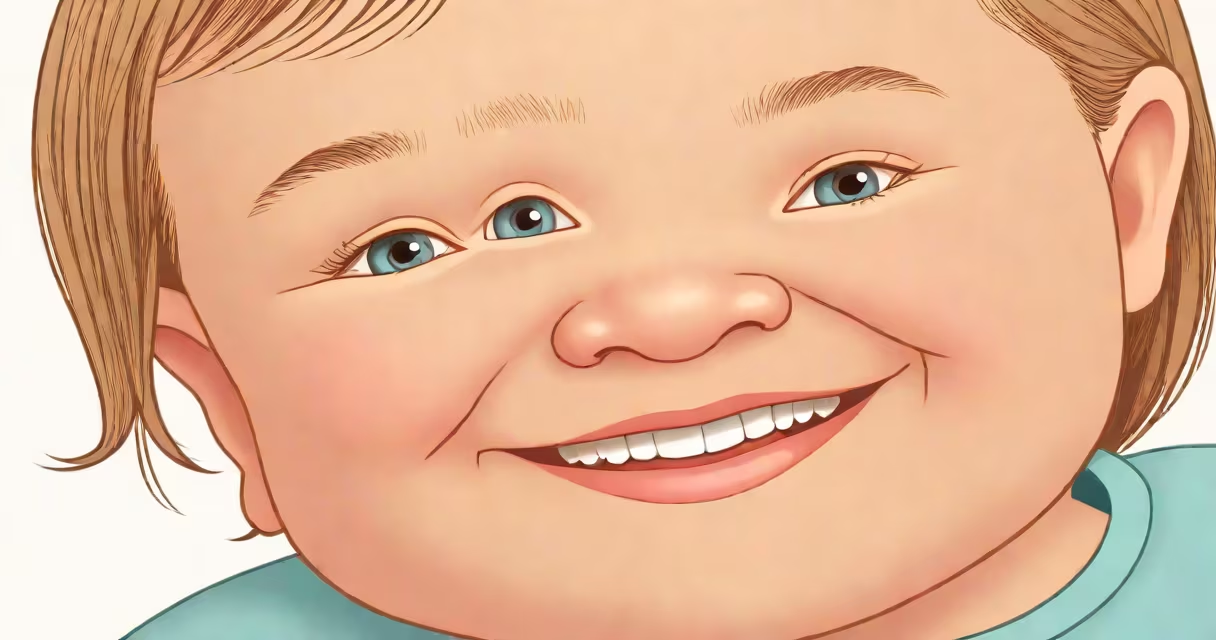
Down syndrome means a genetic condition caused by the presence of an extra copy of chromosome 21, resulting in developmental delays, distinctive facial features, and varying degrees of intellectual disability. It occurs in about 1 in 700 live births globally.
Down syndrome arises from a chromosomal abnormality during cell division. Normally, humans have 46 chromosomes arranged in 23 pairs. In Down syndrome, there is a third copy of chromosome 21, creating 47 chromosomes total. This extra genetic material disrupts typical development.
The condition is not inherited in most cases. It results from random errors in cell division during early fetal development. The risk increases with maternal age, particularly after 35, though most babies with Down syndrome are born to younger mothers due to higher birth rates in that group.
How Down Syndrome Works
Chromosome 21 contains over 200 genes. An extra copy leads to overexpression of these genes, affecting brain structure, muscle tone, and organ development. This imbalance causes the characteristic traits seen in individuals with Down syndrome.
Three types exist: Trisomy 21 (95% of cases), translocation (about 3%), and mosaicism (1-2%). Trisomy 21 involves all cells having three copies of chromosome 21. Translocation occurs when part of chromosome 21 attaches to another chromosome, often inherited from a parent with balanced translocation. Mosaicism happens when only some cells have the extra chromosome, leading to milder symptoms.
A 2021 study in Nature Genetics found that gene dosage effects from the extra chromosome alter neural connectivity patterns in the developing brain, contributing to cognitive differences. This explains why individuals with Down syndrome often show delayed language acquisition and reduced working memory capacity.
Physical and Developmental Traits
Common physical signs include almond-shaped eyes with upward slant, a flat nasal bridge, small ears, short stature, and low muscle tone. These features appear in infancy and persist throughout life.
Developmental milestones are typically delayed. Most children with Down syndrome walk between 9 and 18 months and speak their first words around 18 to 24 months. By age 5, many achieve basic communication skills, though expressive language remains limited compared to peers.
Intellectual disability ranges from mild to moderate. Average IQ scores fall between 50 and 70, according to the American Academy of Pediatrics. With early intervention, including speech therapy, occupational therapy, and special education, many reach independence in daily living skills.
Diagnosis and Medical Considerations
Prenatal screening detects Down syndrome through blood tests and ultrasound markers like nuchal translucency thickness. Diagnostic testing includes amniocentesis or chorionic villus sampling (CVS), which analyze fetal cells for chromosomal abnormalities.
After birth, diagnosis is confirmed via karyotype analysis-a lab test that visualizes all chromosomes. A positive result shows three copies of chromosome 21.
Individuals with Down syndrome face increased risks for congenital heart defects (40-50% of cases), gastrointestinal issues, hearing loss, and thyroid dysfunction. They also have a higher likelihood of developing Alzheimer's disease by age 60, due to overexpression of the APP gene on chromosome 21.
| Type | Prevalence | Genetic Cause | Typical Features |
|---|---|---|---|
| Trisomy 21 | 95% | Random error in meiosis | Consistent features, moderate to severe delay |
| Translocation | 3% | Chromosome 21 attached to another | Variable severity; may be inherited |
| Mosaicism | 1-2% | Only some cells affected | Milder symptoms; less predictable outcomes |
Common Misconceptions
Down syndrome is not a disease. It is a lifelong genetic variation, not something that can be cured or prevented in most cases. It is not caused by parenting choices or environmental exposure.
Many assume people with Down syndrome cannot lead meaningful lives. In reality, with support, they attend school, hold jobs, form relationships, and participate in community activities. The National Down Syndrome Society reports that over 80% of adults with Down syndrome live in integrated housing settings.
Another myth is that all individuals with Down syndrome have similar abilities. Cognitive profiles vary widely. Some excel in music or art; others struggle with reading but thrive in hands-on work environments.
Real-Life Example: A Day in the Life
Consider James, a 28-year-old man with Down syndrome. He lives in a shared apartment with two roommates, attends a vocational training center twice a week, and works part-time at a local grocery store sorting produce. He uses a picture schedule to manage his routine and communicates using short phrases and gestures.
James's family receives support from a regional habilitation program. His care team includes a speech therapist who meets weekly to improve verbal expression, and a physical therapist who addresses low muscle tone. He enjoys swimming and attends a weekly social group for adults with disabilities.
His life reflects the impact of early intervention and ongoing community support. He is not "overcoming" Down syndrome-he is living well within it.
What It's Not
Down syndrome is not autism. While both involve neurodevelopmental differences, they stem from different genetic mechanisms. Autism spectrum disorder involves altered social processing and repetitive behaviors, not chromosomal duplication.
It is also not a rare condition. Globally, about 6 million people live with Down syndrome. The World Health Organization estimates 1 in 1,000 births in high-income countries and 1 in 500 in low-income regions, reflecting disparities in prenatal screening access.
People with Down syndrome do not universally require institutional care. Many live independently or in supported housing. The U.S. Department of Health and Human Services notes that nearly 70% of adults with Down syndrome reside in community-based homes.
Personal Experience
I once volunteered at a summer camp for youth with developmental differences. One camper, Maya, had Down syndrome and loved painting. She created vivid landscapes using bold colors. Her parents shared that she had begun drawing at age 3 and now sells her artwork online. Her confidence grew with consistent encouragement and access to materials.
This experience corrected my assumption that artistic ability was rare among people with Down syndrome. It reinforced that potential exists across all levels of cognitive ability.
Support and Resources
Early intervention services begin at birth. Programs like Early Start (funded by IDEA) provide therapy and family training. Access to inclusive education improves long-term outcomes. Studies show that children with Down syndrome in mainstream classrooms develop stronger social and academic skills than those in segregated settings.
Medical monitoring is essential. Regular check-ups detect heart problems, vision issues, and sleep apnea early. Routine screenings prevent complications.
Understanding what Down syndrome means begins with recognizing it as a human variation-not a deficit. With proper support, individuals with Down syndrome contribute meaningfully to society.