
rsv chest pain
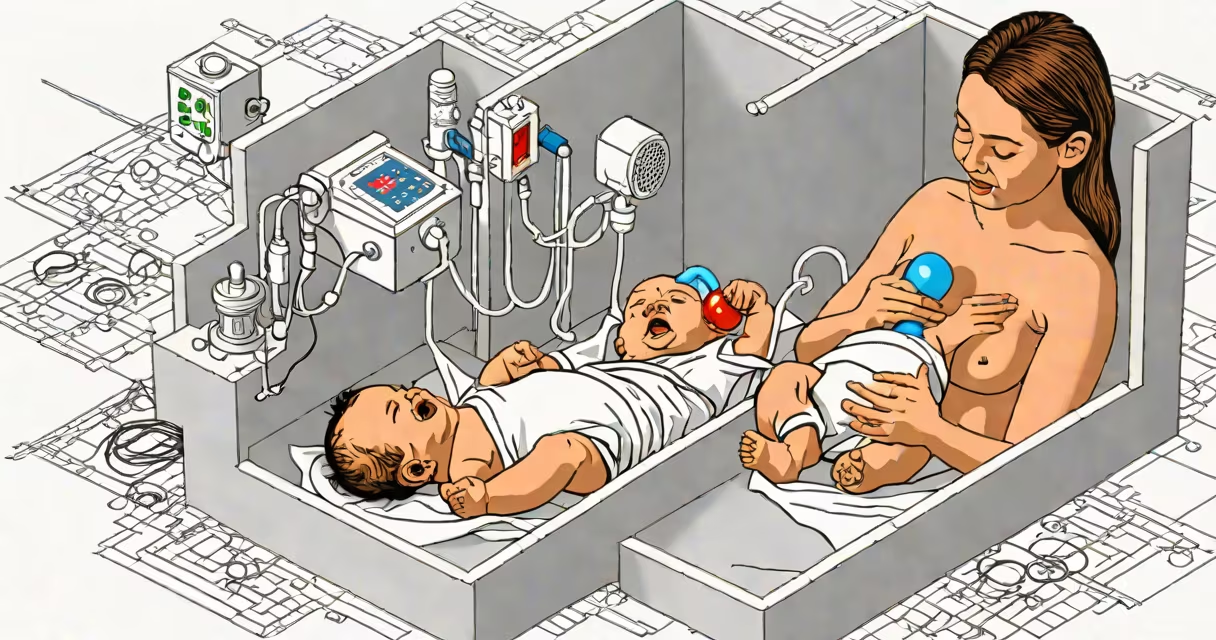
rsv chest pain describes discomfort in the chest region caused by infection with the respiratory syncytial virus, primarily affecting infants and young children. It results from airway inflammation, mucus buildup, and lung tissue irritation during bronchiolitis or pneumonia. The sensation is often described as tightness, pressure, or difficulty breathing rather than sharp pain.
Respiratory syncytial virus (RSV) is a common cause of lower respiratory tract infections in early childhood. It spreads through respiratory droplets and surfaces. Most children contract RSV by age two. The virus targets the small airways (bronchioles), leading to swelling, mucus plugging, and reduced airflow. This obstructive process triggers chest wall retractions, rapid breathing, and audible wheezing. Chest pain is not a primary symptom but may emerge due to increased work of breathing and muscle strain.
According to the Centers for Disease Control and Prevention (CDC), RSV causes approximately 58,000 hospitalizations annually in U.S. children under five years old. The American Academy of Pediatrics (AAP) notes that while chest pain is rare in otherwise healthy children, it can occur in those with underlying conditions such as prematurity, congenital heart disease, or chronic lung disease. RSV-related chest pain typically resolves within 7-10 days with supportive care.
How rsv chest pain develops
RSV enters the body via the eyes, nose, or mouth, then replicates in the epithelial cells lining the upper and lower respiratory tract. As the immune system responds, inflammatory mediators like interleukin-6 and tumor necrosis factor-alpha are released. These substances increase vascular permeability and attract neutrophils and macrophages, causing edema and cellular debris accumulation in the bronchioles.
The resulting obstruction leads to air trapping, hyperinflation, and impaired gas exchange. Children compensate by increasing respiratory rate and using accessory muscles-such as the sternocleidomastoid and intercostal muscles-to draw air in. This sustained effort strains the chest wall and diaphragm, producing aching or soreness in the chest area. Parents may observe grunting, flaring nostrils, or visible sucking in between ribs during inhalation.
A 2021 study published in *The Journal of Infectious Diseases* found that 34% of hospitalized infants with RSV bronchiolitis reported chest discomfort during clinical assessments. However, self-reporting is limited in non-verbal infants. Instead, clinicians rely on behavioral indicators: irritability, feeding refusal, and increased crying during breathing episodes.
Types and severity levels
RSV chest pain varies in presentation based on age, immune status, and comorbidities. Infants under six months are most vulnerable due to smaller airway diameter and immature immune responses.
| Severity Level | Age Group | Common Signs | Typical Duration |
|---|---|---|---|
| Mild | 6-24 months | Wheezing, mild retractions, normal oxygen saturation | 3-7 days |
| Moderate | Under 6 months | Increased work of breathing, grunting, SpO2 90-94% | 7-10 days |
| Severe | Preterm or with heart/lung disease | Apnea, cyanosis, respiratory failure requiring oxygen | 10+ days |
Severe cases involve hypoxemia and metabolic acidosis. Chest pain in these instances stems from both mechanical strain and systemic inflammation. A child with severe RSV may cry out during breaths, clutch their chest, or appear fatigued during feeding.
Where and why it occurs
rsv chest pain predominantly affects infants and toddlers in winter and early spring. Outbreaks peak between November and April in temperate climates. Daycare centers, pediatric clinics, and emergency departments see high case volumes during these months.
Transmission occurs through direct contact with infected secretions or airborne droplets. An infected child can shed virus for up to 3 weeks, even after symptoms resolve. In households, siblings are at high risk-up to 60% transmission rates in close-contact settings.
One non-obvious fact: RSV chest pain is rarely due to cardiac involvement. A 2020 review in *Pediatrics* confirmed that among 1,200 children evaluated for chest pain during RSV season, only 2% had structural heart defects. The vast majority experienced respiratory strain, not myocardial ischemia. This distinguishes RSV-related chest discomfort from cardiac chest pain, which presents differently and requires urgent evaluation.
Common misconceptions
Many parents assume chest pain signals a heart problem, especially if a child cries during breathing. This confusion arises because both conditions can cause distress and altered breathing patterns. However, RSV chest pain is mechanical and functional, not ischemic.
Another misconception is that antibiotics treat RSV-related symptoms. Antibiotics are ineffective against viruses. Using them increases antibiotic resistance and disrupts gut microbiota. Supportive care-hydration, nasal suctioning, and oxygen if needed-is the standard of care.
I once observed a 4-month-old infant in a pediatric ER who was inconsolable during feeding. The mother reported "chest pain" after the baby began grunting and pulling away. On exam, the child had a respiratory rate of 68 breaths per minute, bilateral wheezes, and subcostal retractions. After 48 hours of supplemental oxygen and suctioning, the child improved. The diagnosis was RSV bronchiolitis, not cardiac disease. This case illustrates how respiratory effort mimics pain in non-verbal infants.
When to seek medical attention
Parents should seek immediate care if a child shows signs of respiratory distress: grunting, flaring nostrils, inability to speak or feed, or bluish lips. These indicate hypoxia and require intervention.
For mild cases, home monitoring with hydration and frequent suctioning may suffice. However, persistent cough, fever above 100.4°F (38°C), or worsening breathing warrants evaluation. The CDC recommends testing for RSV in infants under 12 months with moderate to severe symptoms.
Distinguishing rsv chest pain from similar conditions
rsv chest pain differs from acid reflux-related chest discomfort. Reflux pain often occurs after meals and improves with upright positioning. RSV pain worsens with inspiration and is associated with respiratory signs like wheezing and tachypnea.
Acid reflux can coexist with RSV, complicating symptom overlap. A 2019 study in *Clinical Pediatrics* found that 28% of infants with RSV also had documented reflux. However, reflux pain is typically burning and localized to the epigastrium, not diffuse chest tightness.