
What Are Signs of Inflammation
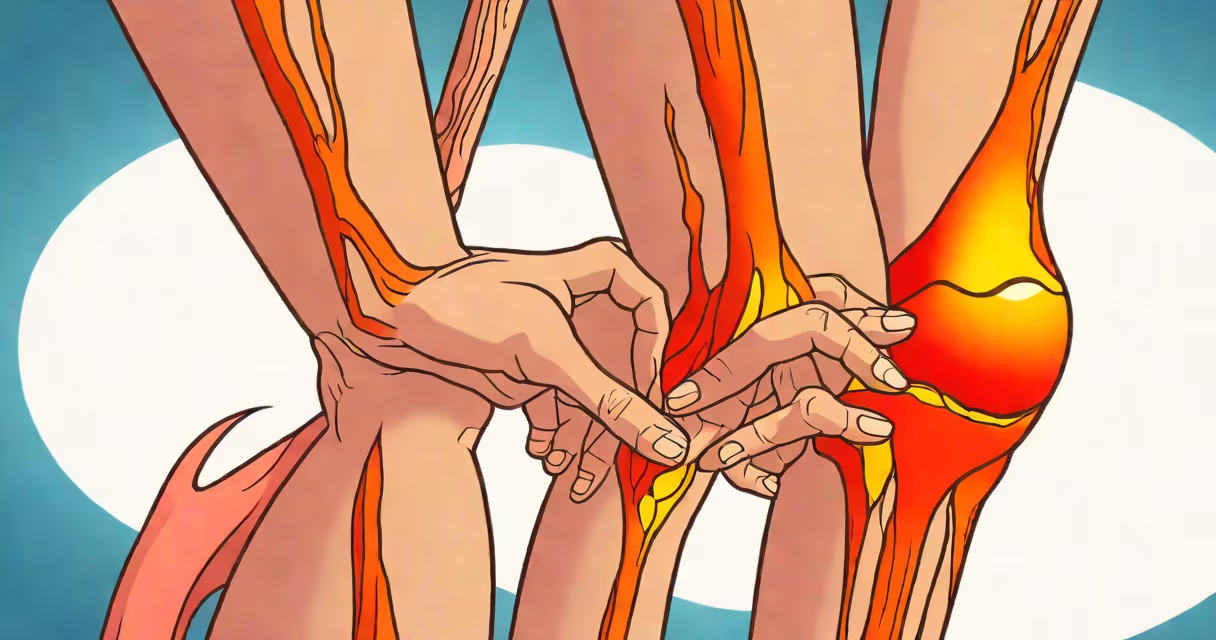
Signs of inflammation are measurable physical responses your body exhibits when it detects injury, infection, or abnormal cells. These include localized redness, heat, swelling, pain, and loss of function. They signal immune activation, whether from acute injury or chronic disease processes.
Inflammation is the body's natural defense mechanism. When tissue is damaged or pathogens invade, immune cells release signaling molecules like cytokines and prostaglandins. These trigger blood vessel dilation, increased permeability, and immune cell recruitment-leading to the classic signs of inflammation. While short-term inflammation heals wounds, persistent inflammation contributes to conditions like heart disease, diabetes, and autoimmune disorders.
The American College of Rheumatology notes that inflammation underlies over 100 diseases, including rheumatoid arthritis, Crohn's disease, and atherosclerosis. Identifying signs early allows timely intervention. For example, untreated joint inflammation in early rheumatoid arthritis leads to irreversible damage within 12 months.
How Inflammation Works in the Body
When tissue is injured, resident immune cells such as macrophages detect danger signals. They release interleukin-1 (IL-1), tumor necrosis factor-alpha (TNF-α), and other mediators. These chemicals cause nearby blood vessels to widen and become leaky, allowing fluid and immune cells to enter the affected area.
This process results in edema (swelling), increased blood flow (redness and warmth), and activation of nerve endings (pain). The presence of white blood cells in tissue fluids confirms active inflammation. For instance, pus formation during a skin infection contains dead neutrophils and bacteria-clear evidence of ongoing immune response.
Chronic inflammation occurs when the stimulus persists or the regulatory mechanisms fail. Persistent low-grade inflammation damages healthy tissue over time. Research from the National Institutes of Health shows elevated C-reactive protein (CRP) levels correlate with increased risk of cardiovascular events, even in people without traditional risk factors.
Common Signs of Inflammation
Signs of inflammation fall into two categories: observable physical symptoms and laboratory indicators. Physical signs often appear locally but can also be systemic.
| Sign | What It Means | Example Condition |
|---|---|---|
| Redness | Dilated blood vessels near the surface | Sunburn, infected wound |
| Heat | Increased blood flow to the area | Arthritis flare-up, abscess |
| Swelling | Fluid accumulation due to leaky capillaries | Twisted ankle, allergic reaction |
| Pain | Nerve sensitization by inflammatory chemicals | Appendicitis, gout attack |
| Loss of function | Discomfort limits movement or use | Stiff shoulder after rotator cuff injury |
Systemic signs include fatigue, fever, weight loss, and malaise. These indicate widespread immune activity. A patient with lupus may report unexplained fatigue and joint pain lasting weeks, accompanied by positive antinuclear antibodies (ANA) in blood tests.
One non-obvious fact: inflammation can occur without pain. Studies show that up to 30% of individuals with early-stage osteoarthritis report no joint pain despite radiographic evidence of cartilage breakdown and synovial thickening-indicating silent inflammation.
Types and Misconceptions
There are two primary forms: acute and chronic. Acute inflammation lasts hours to days and resolves once threats are neutralized. Chronic inflammation persists for months or years and drives tissue remodeling and fibrosis. It is linked to aging and degenerative diseases.
A common confusion is equating inflammation with infection. While infections often trigger inflammation, not all inflammation stems from microbes. Autoimmune diseases like psoriatic arthritis involve immune attacks on healthy tissue, leading to inflammation without pathogens present.
Another misconception is that all swelling is harmful. Swelling is a protective mechanism. The body floods injured areas with immune cells and nutrients to begin repair. Removing swelling too quickly with NSAIDs can delay healing-especially in tendon injuries, where controlled inflammation supports tissue regeneration.
I once observed a runner who ignored mild knee swelling after a 10K race. He continued training, believing rest was unnecessary. Within six weeks, MRI scans revealed partial patellar tendon tears. His initial swelling was a sign of microtrauma and early inflammation-early warning signs he missed.
Testing and Diagnosis
Doctors use both clinical observation and lab tests to confirm signs of inflammation. Blood markers include C-reactive protein (CRP), erythrocyte sedimentation rate (ESR), and procalcitonin. CRP rises rapidly in response to tissue damage and can detect inflammation within 4 hours.
For example, a patient with suspected appendicitis may have a CRP level above 100 mg/L-indicating significant inflammation. Normal values are below 10 mg/L. Elevated ESR (>20 mm/hr) suggests slow-moving inflammatory processes, such as in temporal arteritis or chronic infections.
Imaging tools like ultrasound or MRI detect internal swelling. Ultrasound can visualize synovial thickening in joints, while MRI reveals brain lesions in multiple sclerosis-both signs of inflammation invisible to the naked eye.
Some patients assume that normal blood work rules out inflammation. This is incorrect. CRP and ESR can remain normal in early or localized inflammation. A patient with early Crohn's disease may have normal CRP but still exhibit abdominal pain and diarrhea-symptoms driven by intestinal inflammation.
When to Seek Help
Seek medical evaluation if signs of inflammation persist beyond 48 hours, worsen, or affect daily function. Red flags include fever over 38°C (100.4°F), unexplained weight loss, or swelling in multiple joints.
Early diagnosis improves outcomes. For instance, initiating treatment for rheumatoid arthritis within three months of symptom onset reduces joint damage by 60% compared to delayed care, according to the European League Against Rheumatism.
Understanding signs of inflammation empowers informed decisions about health. Recognizing early indicators-like joint stiffness in the morning or persistent fatigue-can lead to earlier testing and better management.