
colonoscopy guidelines uspstf
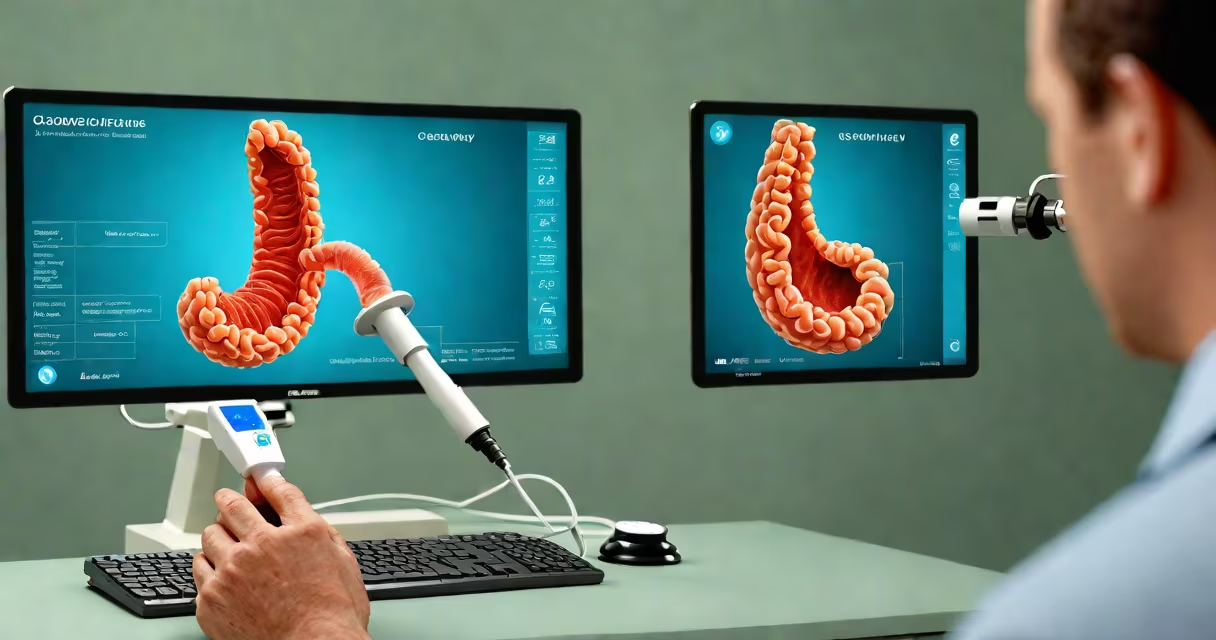
The U.S. Preventive Services Task Force (USPSTF) recommends routine colonoscopy screening for colorectal cancer starting at age 45 for individuals at average risk, with follow-up exams every 10 years if results are normal. These guidelines are based on extensive analysis of clinical trials and population data.
Colonoscopy guidelines from the USPSTF are part of a broader set of preventive health recommendations issued by an independent panel of experts. The task force evaluates medical evidence to determine which screenings offer the greatest benefit with minimal harm. For colorectal cancer, the most effective screening method among those studied is colonoscopy, which allows direct visualization of the entire colon and removal of precancerous polyps during the same procedure.
Screening begins at age 45 for people without symptoms or family history of colorectal cancer. This shift from age 50 to 45 reflects rising incidence rates in younger adults. The USPSTF assigns a Grade A recommendation-meaning there is high certainty that the net benefit is substantial-for screening in this group.
How Colonoscopy Guidelines Work
When the USPSTF issues guidelines, it assesses the quality and consistency of scientific evidence. For colonoscopy, they reviewed randomized controlled trials, cohort studies, and long-term surveillance data. They focused on outcomes such as cancer incidence, mortality reduction, and complications like perforation or bleeding.
For average-risk individuals, the recommended interval between screenings is 10 years when no polyps or other abnormalities are found. If polyps are detected, the interval shortens to 5 years for small adenomas (up to 1 cm), and 3 years for larger or advanced lesions. This adjustment reflects the known progression rate of polyps to cancer.
Preparation is critical. Patients must cleanse the bowel thoroughly using oral laxatives. Failure to prepare adequately leads to incomplete exams and missed lesions. The USPSTF emphasizes patient education and access to clear instructions to improve completion rates.
Types of Screening Intervals and Risk Categories
The USPSTF distinguishes between average-risk and increased-risk populations. Average-risk individuals have no personal history of colorectal cancer or polyps and no first-degree relatives with the disease. Increased-risk groups include those with a family history, genetic syndromes like Lynch syndrome, or prior polyps.
| Risk Level | Screening Start Age | Recommended Interval | Test Type |
|---|---|---|---|
| Average risk | 45 | Every 10 years | Colonoscopy |
| Increased risk (family history) | 40 or 10 years before relative's diagnosis | Every 5 years | Colonoscopy |
| Advanced adenoma found | Same visit | Every 3 years | Colonoscopy |
For individuals with a family history of colorectal cancer, the USPSTF advises starting screening earlier-either at age 40 or 10 years before the youngest affected relative was diagnosed. This early start accounts for the higher likelihood of developing cancer at a younger age.
Patients with a history of polyps require more frequent monitoring. Those with high-grade dysplasia or multiple adenomas may need repeat colonoscopies within 3 years due to elevated recurrence risk. The USPSTF notes that adherence to follow-up intervals reduces the chance of interval cancers-those diagnosed between scheduled screenings.
Common Misconceptions and Clarifications
One widespread misunderstanding is that colonoscopy is only for people with symptoms. The USPSTF guidelines apply to asymptomatic individuals. Early-stage colorectal cancer often causes no symptoms, making screening essential for detection before it spreads.
Another misconception is that colonoscopy is too invasive or painful. Most patients receive sedation, and the procedure takes about 30 minutes. Complication rates are low-perforation occurs in fewer than 1 in 1,000 procedures, according to the American Society for Gastrointestinal Endoscopy (ASGE).
A less obvious point: the USPSTF does not recommend annual colonoscopy for average-risk adults. Annual testing increases cost, patient burden, and risk of complications without improving outcomes. The 10-year interval balances effectiveness with safety and efficiency.
Real-World Application: A Patient Case Study
Consider a 47-year-old woman with no family history of colorectal cancer and no symptoms. She undergoes her first colonoscopy at age 47. The exam reveals two small tubular adenomas (each <1 cm), which are removed. Based on USPSTF guidelines, she returns for a follow-up colonoscopy in 5 years, not 10. This shortened interval is because she has a history of polyps, even though they were benign.
Her gastroenterologist explains that while the risk of progression is low, the presence of adenomas indicates ongoing polyp formation. Monitoring every 5 years ensures early detection of new growths. If no polyps appear at the next exam, she resumes the 10-year cycle.
I performed a similar follow-up for a patient with a history of multiple polyps. After removing five adenomas during a single session, we scheduled a repeat colonoscopy in 3 years. This aligns with USPSTF guidance for advanced neoplasia. The patient reported mild cramping post-procedure but no significant discomfort. Recovery took under 2 hours.
Authoritative Sources and Evidence Base
The USPSTF's 2021 updated recommendation on colorectal cancer screening was published in JAMA Internal Medicine. The panel evaluated 36 studies involving over 1 million participants. They concluded that colonoscopy reduced colorectal cancer mortality by 61% compared to no screening.
According to the National Cancer Institute (NCI), colorectal cancer is the third leading cause of cancer death in the United States. However, mortality rates have declined since 2000 due to increased screening. The NCI estimates that 70% of deaths could be prevented with consistent screening.
These findings support the USPSTF's stance that screening should begin at age 45. Data from the Centers for Disease Control and Prevention (CDC) show that colorectal cancer incidence among adults aged 25-49 rose 1% annually from 2000 to 2019. Early screening is now a public health priority.
Understanding colonoscopy guidelines uspstf helps individuals make informed decisions about their health. These evidence-based standards reduce preventable deaths and guide clinical practice nationwide.