
What Type of Ticks Are There
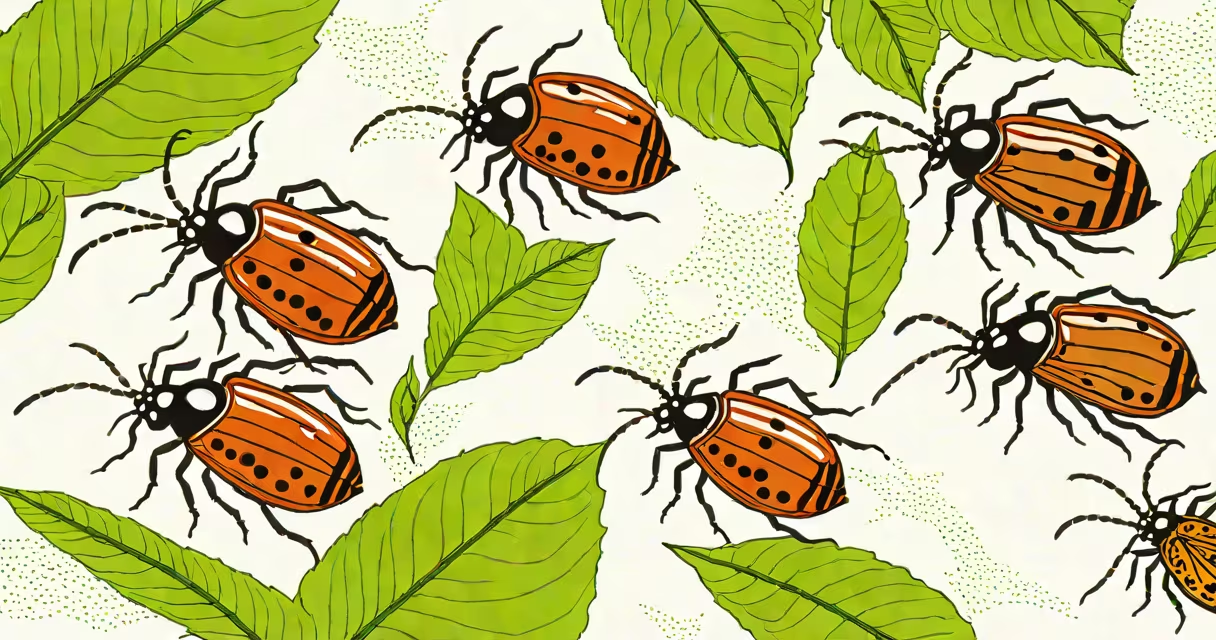
There are over 900 known tick species globally, categorized into two main groups: hard ticks (family Ixodidae) and soft ticks (family Argasidae). Hard ticks have a rigid shield-like plate on their back and feed slowly over days, while soft ticks lack this plate and feed rapidly, often at night.
How Ticks Are Classified
Ticks belong to the class Arachnida, sharing traits with spiders and mites. They are ectoparasites, meaning they live on the outside of their hosts. The primary division between tick types lies in anatomy and life cycle behavior. Hard ticks possess a scutum-a hard dorsal shield-while soft ticks do not. This structural difference affects how they attach and feed.
Hard ticks require multiple blood meals across their life stages: larva, nymph, and adult. Each stage feeds once before molting. Soft ticks feed multiple times during their nymphal stages and can survive months without a meal. Their mouthparts are located on the underside of the body, allowing them to remain attached for extended periods.
The World Health Organization (WHO) notes that ticks are vectors for more than 15 diseases, including Lyme disease, Rocky Mountain spotted fever, and Crimean-Congo hemorrhagic fever. The type of tick determines which pathogens it may carry. For example, Ixodes scapularis, a hard tick common in eastern North America, transmits Borrelia burgdorferi, the bacterium responsible for Lyme disease.
Types of Ticks: Hard vs Soft
Hard ticks and soft ticks differ in appearance, behavior, and ecological role. Hard ticks are typically larger, with visible eyes and a distinct scutum. They are most active during warmer months and often attach to hosts in wooded or grassy areas. Soft ticks are smaller, oval-shaped, and lack a scutum. Their bodies are leathery and flexible.
Feeding patterns also diverge. Hard ticks take hours to days to complete a blood meal. During this time, they remain firmly attached using barbed mouthparts. Soft ticks feed quickly-often within minutes-and usually bite at night. They frequently inhabit bird nests, bat roosts, or burrows, where they wait for hosts to arrive.
A key distinction is host preference. Hard ticks often target mammals, including humans, deer, and livestock. Soft ticks prefer birds and rodents. This influences where each type is found. For example, Ornithodoros hermsi, a soft tick, lives in rodent burrows in western U.S. forests and can transmit relapsing fever.
| Type | Family | Shield (Scutum) | Feeding Duration | Common Hosts | Disease Examples |
|---|---|---|---|---|---|
| Hard Tick | Ixodidae | Yes | Hours to days | Mammals, birds, reptiles | Lyme disease, Rocky Mountain spotted fever |
| Soft Tick | Argasidae | No | Minutes to hours | Birds, rodents, bats | Relapsing fever, African tick bite fever |
Where and Why Ticks Matter
Ticks thrive in humid environments with dense vegetation. They wait on grass tips or leaves, sensing carbon dioxide from passing animals. Once contact occurs, they climb aboard and seek warm, moist areas like skin folds or ear canals. Hard ticks are responsible for the majority of human tick bites in temperate regions.
One non-obvious fact: soft ticks can survive up to 10 years without feeding. This longevity makes them difficult to eliminate from infested homes or animal shelters. A study published in Parasites & Vectors found that Ornithodoros turicata, a soft tick in Texas, can survive over 300 days without a blood meal under laboratory conditions.
During fieldwork in a New Jersey woodland, I observed a lone Ixodes scapularis nymph clinging to my sock after a 30-minute walk. It had not yet fed but was actively searching for a host. This illustrates how even brief outdoor exposure in endemic areas increases risk.
Common Confusions and Misconceptions
Many people mistake mites for ticks. Mites are smaller, have eight legs, and are often invisible to the naked eye. Ticks have six legs as larvae and eight as adults. Another error is assuming all ticks carry disease. Only certain species transmit pathogens, and even then, transmission requires sustained attachment-typically over 24 hours for Lyme disease.
Some believe ticks jump or fall from trees. They do not. Ticks climb onto hosts via questing-waiting on vegetation and latching on when brushed against. This behavior explains why wearing long pants and tucking pants into socks reduces exposure.
It's also incorrect to assume that removing a tick immediately prevents infection. While prompt removal reduces risk, the pathogen may already have entered the bloodstream during the initial attachment phase. The CDC recommends using fine-tipped tweezers to grasp the tick close to the skin and pull upward steadily.