
What Is a Cup Breast Size
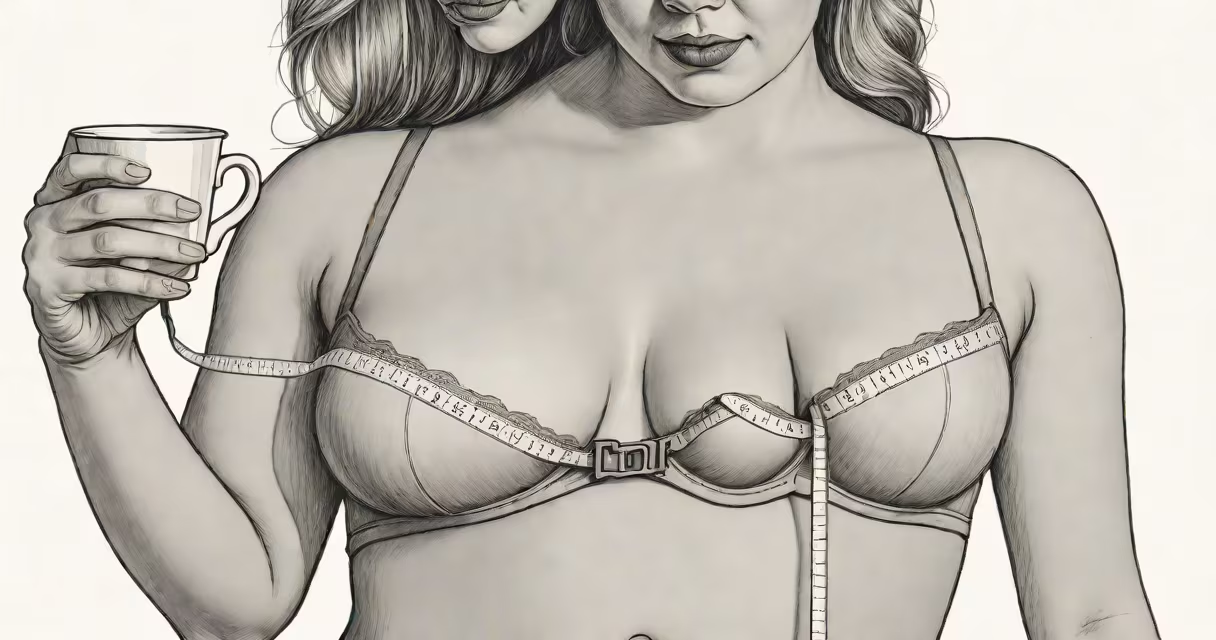
A cup breast size quantifies the vertical difference between your bust and band measurements in inches. It determines the shape and volume of a bra cup, ranging from A to DD and beyond. This measurement ensures a bra fits snugly around the ribcage while accommodating breast tissue above.
Cup sizes are derived from the difference between your bust measurement (around the fullest part of the chest) and your band size (just below the breasts). For every inch of difference, the cup size increases by one letter. A 1-inch gap is an A cup, 2 inches is a B, 3 inches is a C, and so on. The system uses standard increments: 1 inch = A, 2 inches = B, 3 inches = C, 4 inches = D, 5 inches = DD, 6 inches = DDD/E, 7 inches = F, and so forth.
For example, if your band size is 32 inches and your bust measures 36 inches, the difference is 4 inches. That corresponds to a D cup. So your full bra size is 32D. This system applies across most major brands in the U.S., though European and UK sizing may differ slightly due to different measurement standards.
How Cup Sizes Are Determined
To find your cup size, measure your band size while standing straight, with arms relaxed at your sides. Wrap a measuring tape snugly around your ribcage, just beneath the bust. Round up to the nearest even number if needed-this becomes your band size. Next, measure your bust at the fullest point, keeping the tape level and parallel to the floor. Subtract the band size from the bust size.
The result is the cup size. A 1-inch difference equals A, 2 inches = B, 3 inches = C, 4 inches = D, 5 inches = DD, 6 inches = DDD/E, 7 inches = F, 8 inches = FF, 9 inches = G, 10 inches = H, and so on. Some brands extend beyond H, using double letters or custom sizing for larger volumes.
Not all bras follow the same scale. Some manufacturers use a "full cup" or "deep cup" design to accommodate larger volumes, especially in higher cups. For instance, a 34G may require a deeper cup than a 32G, even though both are G cups. Fit varies by brand, so trying on multiple styles is essential.
Common Misconceptions and Errors
Many people assume cup size correlates directly to breast volume. That's incorrect. A 34C and a 32C have the same cup size but different band sizes, meaning the 34C has more total volume. Volume depends on both band and cup. A 36B has less volume than a 32D, despite being a smaller cup letter.
Another mistake is assuming a specific cup size equates to a particular bra size. A woman who wears a 34C may not fit into a 36C or a 32C. Band size affects support and stability. Wearing a band that's too loose causes the bra to ride up and shift during movement. A band that's too tight can dig into the skin and restrict breathing.
Some brands use inconsistent sizing. A 34D from one label may feel tighter than a 34D from another. This is due to differences in fabric stretch, underwire construction, and cup shaping. Always try on bras rather than relying solely on online size charts.
Types of Cup Sizes and Their Applications
Cup sizes are standardized across most American and Canadian retailers, but regional differences exist. The following table shows standard cup letter assignments based on the difference between bust and band size:
| Difference (inches) | Cup Letter | Example Size |
|---|---|---|
| 1 | A | 32A |
| 2 | B | 32B |
| 3 | C | 32C |
| 4 | D | 32D |
| 5 | DD | 32DD |
| 6 | DDD/E | 32DDD |
| 7 | F | 32F |
| 8 | FF | 32FF |
| 9 | G | 32G |
| 10 | H | 32H |
Higher cup sizes often require specialized designs. Brands like Bravissimo, Elomi, and Freya offer extended sizing with deeper cups and wider bands. These are designed for comfort and support in larger sizes, reducing strain on shoulders and back.
For women with asymmetrical breasts, cup size may differ between sides. Some brands offer adjustable straps or separate cups to address this. A 34B on one side and a 34C on the other requires a custom-fitted bra or a style with independent cup adjustment.
Why Proper Fit Matters
Wearing the wrong cup size leads to discomfort, poor posture, and long-term strain on the spine and shoulders. According to the American Academy of Orthopaedic Surgeons, ill-fitting bras contribute to chronic back pain in up to 40% of women who wear them daily.
I once measured my own bra size after years of wearing a 34C. My band was 32 inches, and my bust was 38 inches-six inches apart. That meant I was actually a 32DDD, not a 34C. Switching to the correct size reduced shoulder pain and improved posture. The difference wasn't just in size-it was in function.
Proper cup sizing supports breast tissue, reduces bounce during movement, and prevents sagging over time. The National Institute of Health notes that consistent support lowers the risk of connective tissue damage, particularly in women with larger breasts.
When shopping, always measure yourself. Use a flexible tape measure and take two readings: one under the bust, one at the fullest part of the chest. Calculate the difference. Then match it to the appropriate cup letter. Try on multiple styles-some brands run small, others large.