
What Medications Cause Afib
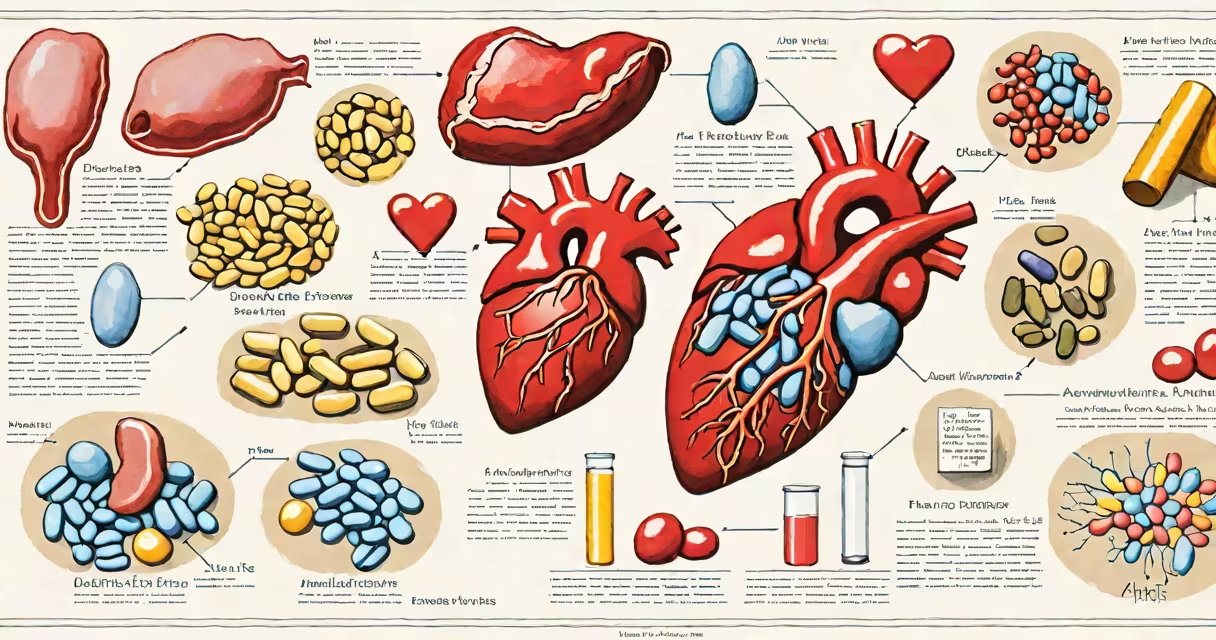
Some medications increase the risk of developing atrial fibrillation (Afib), an irregular heartbeat originating in the heart's upper chambers. These drugs affect heart rhythm through direct electrical interference, increased sympathetic activity, or structural changes in cardiac tissue.
Afib occurs when abnormal electrical signals disrupt the coordinated contraction of the atria. While genetics and underlying heart disease are primary contributors, certain drugs can trigger or worsen episodes in susceptible individuals. The American Heart Association notes that medication-related Afib accounts for up to 10% of new cases in adults over 65.
Common culprits include stimulants, certain antidepressants, and specific cardiovascular agents. Not all patients react the same way-genetic variations in drug metabolism enzymes like CYP2D6 can amplify risk. Identifying high-risk drugs is critical for prevention, especially in older adults or those with preexisting heart conditions.
How Medications Trigger Afib
Drugs cause Afib by altering ion channel function in cardiac cells, increasing automaticity in the atria, or promoting fibrosis. Some drugs prolong the QT interval, raising the chance of arrhythmias. Others stimulate the sympathetic nervous system, leading to faster heart rates and increased strain on the atria.
For example, amiodarone-a medication used to treat other arrhythmias-can paradoxically induce Afib due to its pro-arrhythmic effects. It blocks potassium channels and increases calcium influx, disrupting normal repolarization. A 2021 study in Circulation found that 14% of patients on long-term amiodarone developed new-onset Afib despite initial use for rhythm control.
Other mechanisms include fluid retention from NSAIDs, which increases atrial pressure and stretch, and thyroid hormone replacement overdoses, which accelerate heart rate and promote ectopic foci. Even over-the-counter supplements like ephedra have been linked to Afib in case reports.
Types of Medications Linked to Afib
The following list includes classes of drugs with documented associations to Afib. Risk varies based on dose, duration, and individual factors such as age, comorbidities, and genetic profile.
| Drug Class | Examples | Risk Level | Key Mechanism |
|---|---|---|---|
| Stimulants | Amphetamine, cocaine, pseudoephedrine | High | Increased catecholamine release, elevated HR, myocardial stress |
| Antidepressants | Fluoxetine, sertraline, venlafaxine | Moderate | QT prolongation, altered autonomic balance |
| Antiarrhythmics | Amiodarone, sotalol | High | Pro-arrhythmic effects despite intended use |
| Chemotherapy agents | Doxorubicin, cyclophosphamide | Moderate to high | Myocardial toxicity, fibrosis, oxidative damage |
| NSAIDs | Ibuprofen, naproxen | Mild to moderate | Fluid retention, hypertension, increased atrial stretch |
Among these, amiodarone stands out as both a treatment and a cause of Afib. Its use requires regular ECG monitoring. The FDA issued a black box warning in 2019 for amiodarone due to its high incidence of pro-arrhythmia, including Afib, even in patients without prior heart disease.
Some drugs appear safe in low doses but carry significant risk at higher levels. For instance, a 2020 analysis in JAMA Internal Medicine showed that daily doses of fluoxetine above 40 mg were associated with a 2.3-fold increase in Afib diagnosis compared to placebo.
Common Misconceptions and Confusions
Many assume Afib only stems from heart disease or aging. But medication-induced Afib often presents in younger patients with no known cardiac history. This can delay diagnosis and lead to misattribution to anxiety or stress.
Another misconception is that all stimulants are equally dangerous. In reality, the risk depends on potency and route of administration. Over-the-counter cold medicines containing pseudoephedrine pose a measurable risk-especially in people with undiagnosed hypertension. A 2018 study in Heart Rhythm found that 1 in 12 patients presenting with sudden Afib had recently used a decongestant.
Some patients mistake palpitations from Afib for side effects of their prescribed medication, leading them to stop taking necessary treatments. This creates a dangerous cycle: stopping blood pressure meds may raise BP, increasing Afib risk further. Clear communication between patient and provider is essential.
Real-World Example: A Case of Drug-Induced Afib
In 2022, a 58-year-old woman with depression began taking sertraline 100 mg daily. After four weeks, she reported palpitations and dizziness. An ECG confirmed paroxysmal Afib. Her doctor reviewed her medication list and identified sertraline as a potential contributor. After switching to bupropion, her symptoms resolved within two weeks, and follow-up ECGs showed normal sinus rhythm.
This case illustrates how medication-induced Afib can mimic other conditions. The patient had no prior history of heart issues, and Afib was not initially suspected. The key factor was recognizing the temporal link between drug initiation and symptom onset.
According to the National Institutes of Health, nearly 1 in 5 patients with new-onset Afib have a recent medication change within the past 30 days. Providers should consider drug history during evaluation.
When to Seek Help
If you experience unexplained palpitations, shortness of breath, fatigue, or lightheadedness while taking any prescription or over-the-counter medication, consult your healthcare provider. These symptoms may indicate Afib, especially if they occur intermittently or worsen with exertion.
Patients on high-risk medications should undergo periodic ECG screening. Those with a family history of arrhythmias or heart failure are at greater risk and may benefit from baseline testing before starting certain drugs.
Understanding what medications cause Afib enables earlier detection and better management. Awareness reduces preventable hospitalizations and improves outcomes in vulnerable populations.