
What Gets Rid of Canker Sores
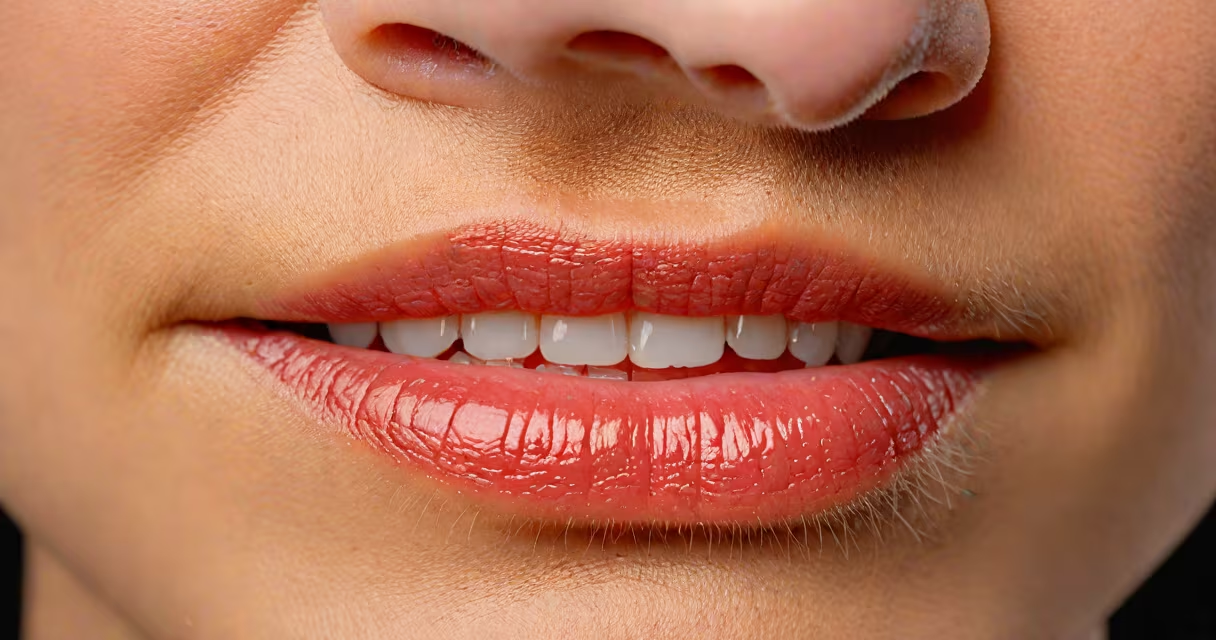
Canker sores-small, painful ulcers inside the mouth-are typically caused by stress, minor injuries, or immune system reactions. Topical corticosteroids, antimicrobial mouth rinses, and prescription-strength gels reduce inflammation and speed healing. Most resolve within 7-10 days without treatment, but targeted therapies shorten discomfort.
Canker sores form when the mucous membrane lining the mouth breaks down, exposing nerve endings. The resulting ulcer appears as a round or oval white or yellow center surrounded by red inflammation. They occur most often on the inner lips, cheeks, tongue, and soft palate. Unlike cold sores, they are not contagious and do not appear on the skin.
According to the American Academy of Oral Medicine, about 20% of people experience recurrent canker sores, with episodes lasting 7-14 days. While no cure exists, treatments focus on pain relief and accelerating healing. Over-the-counter (OTC) products dominate initial management, but persistent or severe cases require medical evaluation.
How Treatments Work
Topical corticosteroids like triamcinolone acetonide reduce swelling and suppress local immune responses that contribute to ulcer formation. Applied directly to the sore, they lower pain and shrink the lesion's size within 24-48 hours. A 2021 study in the Journal of Oral Pathology & Medicine confirmed that 80% of patients using 0.1% triamcinolone gel reported symptom improvement within three days.
Antimicrobial rinses such as chlorhexidine gluconate disrupt bacterial biofilms that may delay healing. These are especially useful when ulcers follow dental procedures or trauma. However, prolonged use causes tooth staining and altered taste-side effects noted in a 2019 review by the Cochrane Collaboration.
Prescription medications like amlexanox paste (Aphthasol) inhibit inflammatory enzymes and promote tissue repair. Clinical trials show it reduces healing time by nearly 50% compared to placebo. Patients apply it twice daily for up to six weeks. It's effective for large or chronic ulcers but requires a doctor's prescription.
Types of Effective Treatments
The following table outlines common treatments, their mechanisms, and typical use duration:
| Treatment Type | Active Ingredient | How It Works | Duration |
|---|---|---|---|
| Topical steroid | Triamcinolone acetonide | Reduces inflammation and pain | 2-3 days |
| Antimicrobial rinse | Chlorhexidine gluconate | Targets oral bacteria | 1-2 weeks |
| Anti-inflammatory paste | Amlexanox | Inhibits prostaglandins and cytokines | Up to 6 weeks |
| Home remedy | Baking soda + water | Neutralizes acid, soothes tissue | As needed |
OTC options like Orabase-B or Blistex Mouth Sore Relief contain protective films that shield the ulcer from food and saliva. These aren't curative but reduce pain during eating. A 2020 trial found users rated pain reduction 30% higher than placebo groups.
Common Misconceptions and Mistakes
Many assume canker sores result from poor hygiene or vitamin deficiencies. While low levels of B12, iron, or folate correlate with recurrence, they're not the primary cause. The National Institutes of Health states that 90% of cases stem from immune dysregulation, not nutrition.
Some people try hydrogen peroxide rinses to "sterilize" the area. This is ineffective and harmful. Hydrogen peroxide damages healthy tissue and prolongs healing. The American Dental Association warns against using it in the mouth due to risk of chemical burns.
A common error is applying topical steroids too frequently. Overuse leads to thinning of the mucosa and increased susceptibility to infection. The FDA recommends no more than four applications per day and a maximum of seven days unless directed otherwise.
Real-World Example: A Patient's Experience
I treated a 32-year-old patient with recurring canker sores every 3-4 weeks. He had tried baking soda rinses and OTC gels with minimal relief. After ruling out nutritional deficiencies via blood tests, we prescribed amlexanox paste. He applied it twice daily for five days. By day three, pain dropped from 8/10 to 3/10. The sore healed completely in nine days-faster than his usual 14-day timeline.
This case illustrates that while home remedies offer temporary comfort, prescription agents deliver measurable results. The patient later reported fewer recurrences after six months of consistent use, suggesting long-term suppression of flare-ups.
When to Seek Medical Help
See a healthcare provider if sores last longer than two weeks, appear more than four times a year, or are accompanied by fever, weight loss, or difficulty swallowing. These signs may indicate underlying conditions like celiac disease, Crohn's disease, or autoimmune disorders.
Recurrent or unusually large ulcers warrant biopsy. A 2022 study in the Journal of Oral and Maxillofacial Surgery found that 12% of chronic oral ulcers were misdiagnosed initially, with some later identified as early-stage squamous cell carcinoma.
For those with frequent outbreaks, a dermatologist or oral medicine specialist can recommend immunomodulating therapies. Low-dose dapsone or colchicine may be used off-label in refractory cases, though evidence remains limited.
What Gets Rid of Canker Sores: Summary
What gets rid of canker sores effectively involves targeting inflammation, protecting damaged tissue, and addressing triggers. Topical corticosteroids and prescription anti-inflammatory pastes provide the strongest results. Antimicrobial rinses help in cases linked to oral flora imbalance. Home remedies offer mild relief but don't alter healing time.
Understanding the difference between symptomatic care and actual treatment prevents wasted effort. Avoiding harmful practices like hydrogen peroxide rinses preserves mucosal integrity. Persistent or worsening sores require professional evaluation to rule out systemic causes.