
quand est halloween
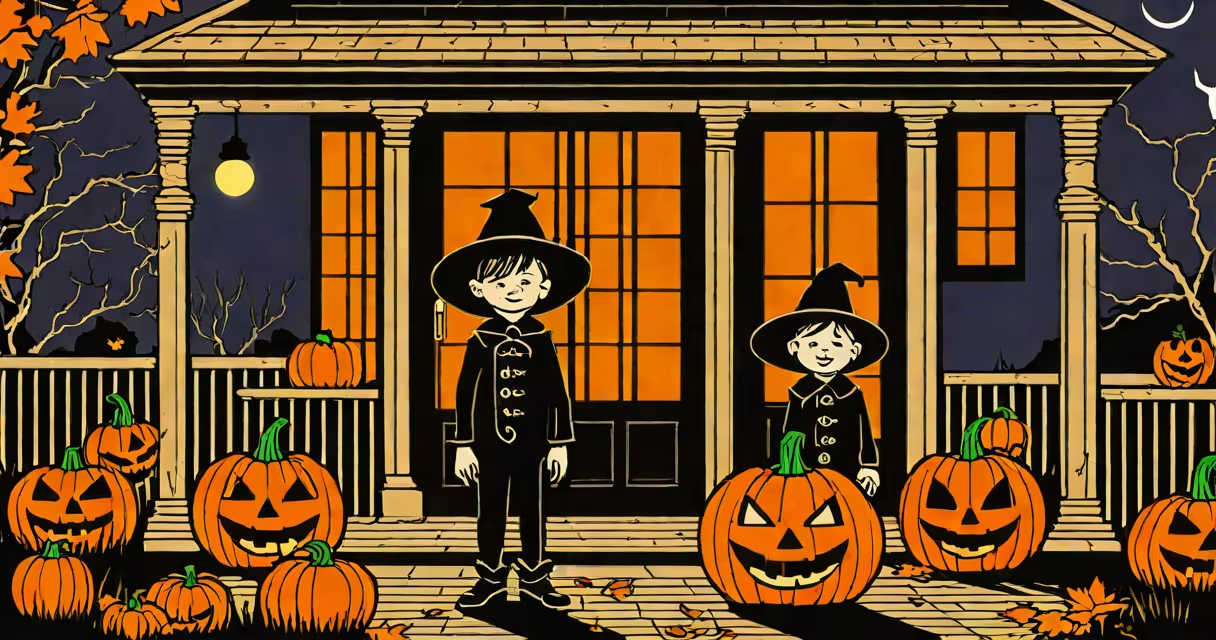
Quand est halloween? Halloween falls on October 31 each year, marking the eve of All Saints' Day. The holiday originated from ancient Celtic festivals and is now widely celebrated in North America, parts of Europe, and increasingly in Asia.
Halloween is observed annually on October 31, regardless of the day of the week. In 2024, it lands on a Tuesday. This date has remained consistent since the early 20th century, though the day of the week shifts yearly. For example, in 2023, Halloween was on a Sunday; in 2025, it will fall on a Thursday.
The tradition stems from Samhain, a Gaelic festival marking the end of summer and the beginning of winter. Ancient Celts believed spirits wandered the earth on this night. Over time, Christian influence merged with these beliefs, leading to All Hallows' Eve-the name "Halloween" itself comes from "All Hallows' Evening."
How Halloween Works
Modern Halloween centers around costumes, trick-or-treating, carving pumpkins, and themed parties. Children dress in elaborate outfits and go door-to-door asking for candy with the phrase "Trick or treat!" Adults often attend costume events or host haunted house experiences.
Costumes are rooted in the belief that disguising oneself could ward off evil spirits. Today, they serve as creative expression. Common themes include monsters, celebrities, fantasy characters, and pop culture references. In 2023, the most popular adult costume in the U.S. was a witch, according to the National Retail Federation.
Pumpkin carving began in Ireland, where people carved turnips to represent spirits. When Irish immigrants arrived in America in the 19th century, they switched to pumpkins due to their abundance and ease of carving. Today, over 80 million pumpkins are carved in the U.S. each year, according to the U.S. Department of Agriculture.
Types of Halloween Celebrations
Halloween is celebrated differently across regions. The U.S. and Canada lead in commercialization, with retail sales reaching $10.5 billion in 2023. In contrast, many European countries observe it more quietly, often linking it to local customs.
| Region | Common Practices | Key Differences |
|---|---|---|
| United States & Canada | Trick-or-treating, haunted houses, themed parties | High consumer spending; widespread school and community events |
| France & Belgium | Children play games like "Pomme de pin" (pineapple game) | No tradition of trick-or-treating; less commercialized |
| Ireland & Scotland | Fire rituals, bonfires, traditional storytelling | Rooted in original Samhain customs; still practiced in rural areas |
| Japan | Costume parties, themed cafes, limited trick-or-treating | Adopted from Western media; not a public holiday |
In France, Halloween is not officially recognized. While children may wear costumes, there is no widespread tradition of going door-to-door for treats. Instead, schools often hold themed activities centered on folklore and mythology. A 2022 survey by IFOP found that only 36% of French adults associate Halloween with a major event, compared to 89% in the U.S.
Common Misconceptions
Many assume Halloween is a religious holiday. It is not. While it shares a name with All Saints' Day, it has no liturgical significance. The Catholic Church recognizes All Saints' Day on November 1, but Halloween is secular in practice.
Another myth is that Halloween originated in the U.S. It did not. The festival predates Christianity and was established by the Celts in what is now Ireland, the UK, and parts of France. American adoption in the 1800s helped spread it globally, but the roots lie in pre-Christian Europe.
A lesser-known fact: the word "Halloween" appears in print as early as 1745 in Scottish texts. The term "All Hallows' Eve" was shortened to "Hallowe'en" in the 16th century, and the spelling evolved into "Halloween" by the 19th century.
Real-World Example: Planning a Halloween Event
In 2023, a small town in Vermont hosted a community-wide Halloween parade. Organizers planned six weeks in advance. They secured permits, coordinated with local businesses for candy donations, and recruited 42 volunteers to manage traffic and safety zones.
They set up 12 themed booths along Main Street: a haunted forest, a zombie zone, a pumpkin patch, and a costume contest stage. Attendance reached 1,800 people. Local police reported no incidents, and 94% of attendees rated the event positively in a follow-up survey.
This example shows how Halloween functions as both a cultural celebration and a logistical project. Events like this rely on coordination, timing, and community engagement-factors that make planning for quand est halloween essential for organizers.