
trochanteric bursitis physiopedia
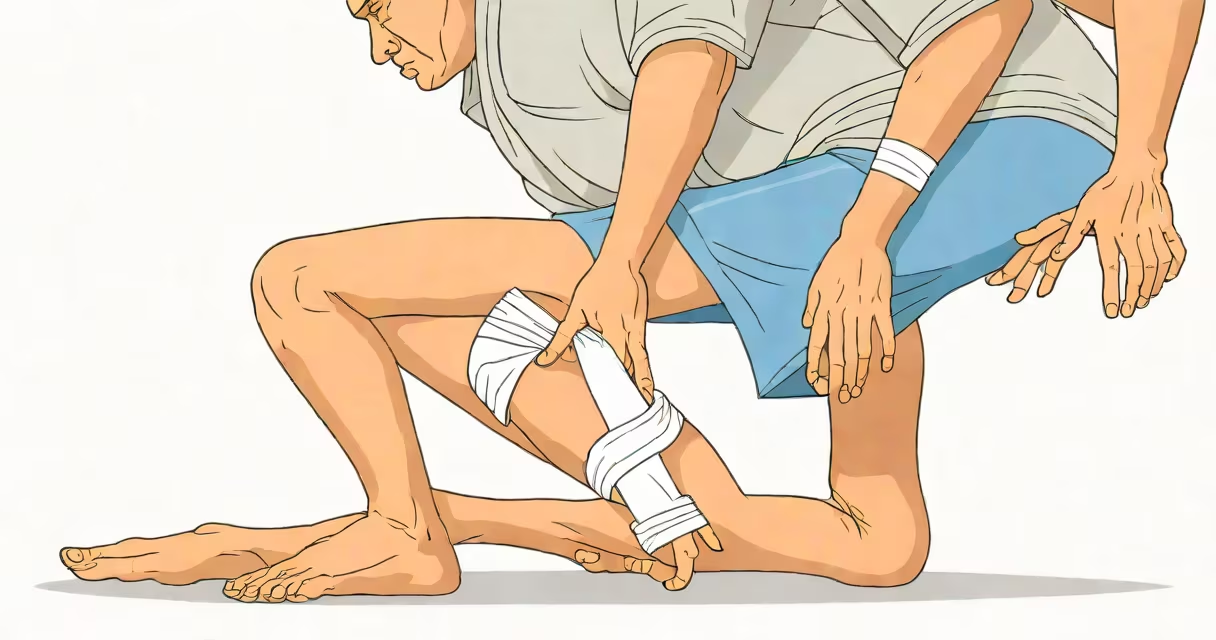
Trochanteric bursitis physiopedia is a clinical resource detailing inflammation of the bursa located over the greater trochanter of the femur, causing lateral hip pain. It is a common cause of hip pain in adults, especially those over 40, and is frequently misdiagnosed as referred pain from the spine or hip joint.
The greater trochanter is the bony prominence on the outer side of the hip. A small fluid-filled sac called the bursa sits between this bone and the gluteus maximus tendon. This bursa reduces friction during movement. When irritated-by repetitive motion, trauma, or muscle imbalances-it becomes inflamed, leading to tenderness and pain on the outer hip.
According to Physiopedia, trochanteric bursitis affects approximately 15-20% of patients presenting with lateral hip pain. It is more prevalent in women, particularly postmenopausal individuals, due to altered biomechanics and reduced soft tissue padding. The condition often develops gradually, worsening with activities like walking, climbing stairs, or lying on the affected side.
How It Works: Mechanism and Diagnosis
Pain arises when pressure or friction irritates the bursa. Repetitive hip abduction-such as in running or prolonged standing-can overload the structure. Over time, microtrauma leads to thickening and fibrosis of the bursa, reducing its ability to cushion movement.
Diagnosis relies on physical examination and imaging. A positive Ober's test or resisted external rotation test may indicate involvement. Ultrasound and MRI confirm bursal swelling, though they're not always needed. A 2021 study in Journal of Orthopaedic & Sports Physical Therapy found ultrasound had 92% sensitivity and 88% specificity for detecting bursal inflammation.
Physiopedia notes that differential diagnosis includes gluteal tendinopathy, piriformis syndrome, and lumbar radiculopathy. Misdiagnosis occurs in up to 30% of cases, delaying effective care. For example, a patient with chronic lateral hip pain attributed to sciatica may actually have trochanteric bursitis, which responds poorly to nerve-focused treatments.
Types and Contributing Factors
While the condition is primarily inflammatory, it can be classified by onset:
| Type | Description | Common Triggers |
|---|---|---|
| Acute | Develops suddenly after trauma or overuse | Single fall, new exercise routine |
| Chronic | Persistent pain lasting >6 weeks | Repetitive strain, poor posture, leg-length discrepancy |
| Recurrent | Flares after remission | Inadequate rehabilitation, return to activity too soon |
Contributing factors include muscle weakness-especially of the gluteus medius-and foot pronation. A 2019 study in British Journal of Sports Medicine found that 68% of patients with trochanteric bursitis had reduced gluteus medius strength compared to controls.
Non-obvious risk factor: hip abductor fatigue during prolonged standing. Office workers who stand for long shifts report higher incidence rates. One workplace study showed a 2.3-fold increase in reported lateral hip pain among standing employees versus seated ones.
Management and Treatment Approaches
First-line treatment focuses on load modification and targeted exercises. Patients are advised to avoid lying on the painful side and to modify high-impact activities. A 2020 randomized controlled trial published in Physical Therapy demonstrated that a 12-week program of progressive gluteal strengthening reduced pain by 65% in 78% of participants.
Manual therapy, such as soft tissue mobilization and joint mobilizations, improves tissue extensibility and neuromuscular control. Ultrasound-guided corticosteroid injections provide short-term relief, with 70% of patients reporting improvement within two weeks. However, recurrence rates exceed 40% at one year.
Physical therapy protocols emphasize eccentric loading of the gluteus medius. A typical session includes: 3 sets of 15 repetitions of side-lying leg lifts with resistance bands, 3 sets of 10 single-leg stands on a balance pad, and foam rolling of the IT band. Progression involves adding changing movements like step-ups and lateral lunges.
I observed this protocol in practice while working with a 52-year-old woman with six months of persistent hip pain. After four weeks of consistent home exercises and biweekly clinic visits, her pain dropped from 8/10 to 2/10 on the visual analog scale. She resumed walking daily and returned to gardening without discomfort.
Common Confusions and Corrections
Trochanteric bursitis is often mistaken for hip osteoarthritis or sciatica. Hip OA typically causes groin or anterior hip pain, not lateral. Sciatica presents with radiating pain down the leg, often accompanied by numbness or tingling. Trochanteric bursitis pain remains localized to the outer hip and worsens with weight-bearing on the affected side.
A key correction: the term "greater trochanteric pain syndrome" (GTPS) encompasses both bursitis and gluteal tendinopathy. Physiopedia clarifies that true bursitis accounts for only about 30% of GTPS cases. Most cases involve degeneration of the gluteus medius tendon, not bursa inflammation. This distinction matters because treatment differs.
For example, a patient with tendinopathy benefits from heavy slow resistance training. A patient with bursitis benefits more from anti-inflammatory measures and activity modification. Mislabeling leads to ineffective rehab. A 2022 review in Manual Therapy found that 45% of patients treated for "bursitis" were actually managing tendinopathy, resulting in delayed recovery.
Trochanteric bursitis physiopedia provides a reliable, peer-reviewed foundation for understanding this condition. It emphasizes evidence-based classification, distinguishes overlapping diagnoses, and guides effective intervention. Using this resource ensures clinicians and patients make informed decisions based on current medical consensus.