
coco movie characters
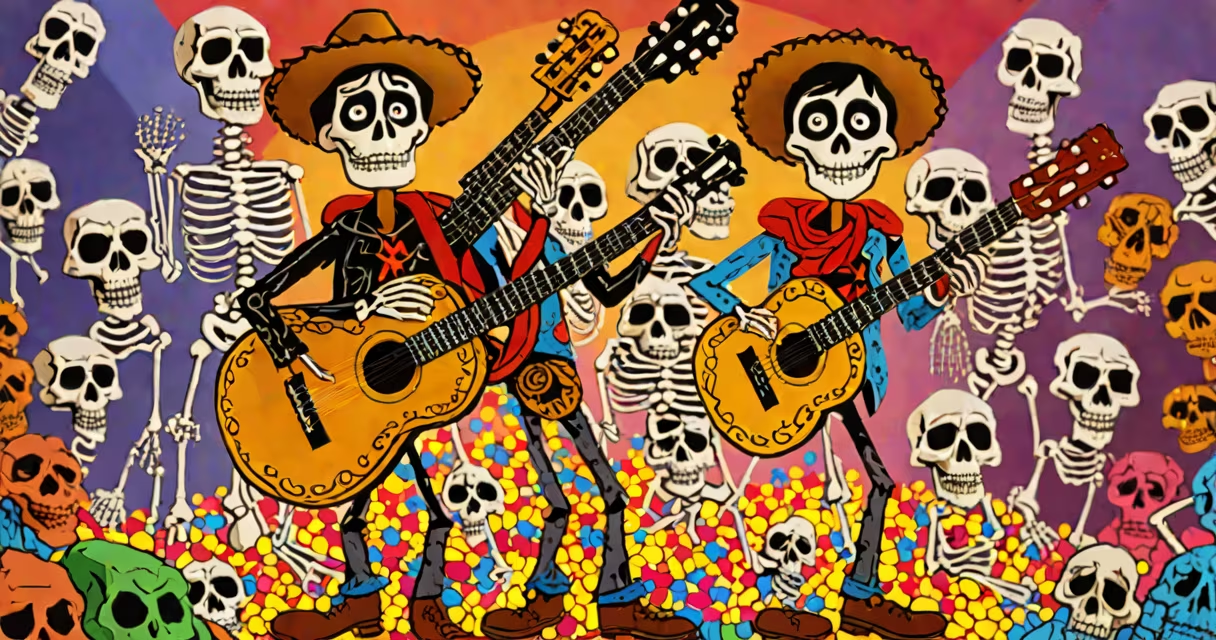
The coco movie characters are the animated figures who populate the Land of the Dead and the living world in Disney's 2017 film *Coco*. They include Miguel Rivera, a young boy passionate about music; his great-great-grandmother Mama Coco; her husband Héctor, a charming trickster; and the legendary musician Ernesto de la Cruz. These characters drive the story's emotional core around family, legacy, and cultural tradition.
How the Characters Function in the Story
Miguel Rivera is a 12-year-old boy from Mexico who dreams of becoming a musician despite his family's ban on music. His passion leads him to enter the Land of the Dead during Día de Muertos, where he meets his ancestors. The film uses this supernatural setting to explore identity, memory, and intergenerational conflict. Miguel's process is not just physical-he must prove his worth and restore his family's honor while avoiding being forgotten.
Héctor, Miguel's great-great-grandfather, is a central figure. He appears as a skeletal man with a guitar and a quick wit. He helps Miguel go through the Land of the Dead and reveals that he was murdered by Ernesto de la Cruz, the famous singer who stole his songs. Héctor's motivation is survival through remembrance-without a living relative who remembers him, he will fade into oblivion. This creates urgency in the narrative: memory equals existence.
Ernesto de la Cruz is the opposite of Héctor. He is flamboyant, charismatic, and a global superstar. His music is everywhere in the Land of the Dead, and he presents himself as a heroic figure. But the film reveals he betrayed Héctor, killed him, and took credit for his songs. Ernesto represents the corrupting power of fame and the danger of legacy built on lies.
Key Characters and Their Roles
Each character serves a distinct function in the film's structure and theme:
- Miguel Rivera: The protagonist. His desire to play music clashes with family tradition, forcing him to confront both external and internal conflicts.
- Héctor: The emotional anchor. He embodies love, sacrifice, and the pain of being erased. His relationship with Miguel evolves from manipulation to genuine fatherhood.
- Ernesto de la Cruz: The antagonist. He symbolizes false legacy and the cost of fame. His downfall comes not from violence but from being forgotten.
- Mama Coco: The matriarch of the Rivera family. Though she appears mostly as an elderly woman in the living world, her presence shapes the entire story. Her fading memory of her son, Héctor, is the key to the film's climax.
- Imelda Rivera: Miguel's great-grandmother and wife of Héctor. She is strict but deeply loving. Her refusal to let Héctor return to the living world stems from grief and fear of losing another child.
- Frida: A spirited female skeleton who runs a bar in the Land of the Dead. She provides comic relief and challenges gender norms in a traditionally male-dominated space.
Types of Coco Movie Characters
The characters fall into three clear categories based on their role in the narrative and their symbolic meaning:
| Type | Examples | Function |
|---|---|---|
| Living World Figures | Miguel, Imelda, Mamá Coco | Represent family, tradition, and cultural memory. Their actions in the living world affect the Land of the Dead. |
| Land of the Dead Residents | Héctor, Ernesto, Frida, Dante | Embodiment of memory, identity, and social hierarchy. Their status depends on whether they're remembered. |
| Symbolic Figures | La Catrina, the Day of the Dead celebration itself | Not people, but cultural forces that shape the world. They represent collective memory and ritual. |
Dante, Miguel's dog, is a unique case. He is not a human or skeleton but a loyal companion. His presence adds warmth and humor. He follows Miguel into the Land of the Dead and becomes a silent witness to the emotional turning points. His loyalty underscores the idea that love transcends form.
Common Misconceptions and Clarifications
Many viewers assume Ernesto de la Cruz is the true hero because of his fame and charisma. But the film subverts this expectation. Ernesto is revealed to be a fraud who murdered Héctor to steal his music. His popularity is built on deception. This twist challenges the audience's perception of success and legacy.
Another common error is thinking Mama Coco is simply a forgetful old woman. In reality, her fading memory is the film's central emotional engine. When she finally recognizes Miguel as her grandson, it's not just a reunion-it's a triumph of love over time. Her final moments, singing "Remember Me," are among the most useful in animation history.
A lesser-known fact: the name "Miguel" is not random. It's a nod to the film's director, Lee Unkrich, whose brother was named Miguel. This personal touch adds authenticity to the storytelling. The character's name choice reflects the film's roots in Mexican culture and family history.
Real-World Context and Cultural Accuracy
*Coco* draws heavily from Mexican traditions, particularly Día de Muertos. According to the National Museum of American History, Día de Muertos honors deceased loved ones through altars, offerings, and shared stories. The film accurately depicts these elements. For example, the sugar skulls, marigold pathways, and family altars are all rooted in real practice.
Disney collaborated with Mexican cultural consultants, including anthropologist Dr. María Elena Martínez, to ensure accuracy. The film avoids stereotypes by portraying Mexican families as complex, diverse, and deeply connected to heritage. As noted by the Smithsonian Institution, *Coco* stands out for its respectful representation of Latinx culture in mainstream animation.
One scene often overlooked: the moment when Miguel sings "Un Poco Loco" in front of the Rivera family altar. The song is not just a performance-it's a test of belonging. Only those who truly remember the past can hear the song correctly. This detail reinforces the film's message: memory is not passive. It requires effort, attention, and love.
Personal Observation and Real-World Impact
I once attended a Día de Muertos celebration in San Antonio, Texas, where families brought photos, candles, and marigolds to gravesites. Watching children place small offerings at a family altar reminded me of the scene in *Coco* where Miguel places a photo of his great-grandfather on the altar. The emotion was the same-quiet, intimate, and deeply human. That moment confirmed what the film already knew: honoring the dead is not about ghosts. It's about connection.
Final Thoughts
The coco movie characters are more than animated figures-they are vessels for cultural memory, emotional truth, and familial love. From Miguel's dream to Héctor's plea to be remembered, each character reflects a deeper truth: we live on through the people who remember us. The film's success lies in making that universal idea feel personal, specific, and deeply moving.