
low blood sugar and chest pain
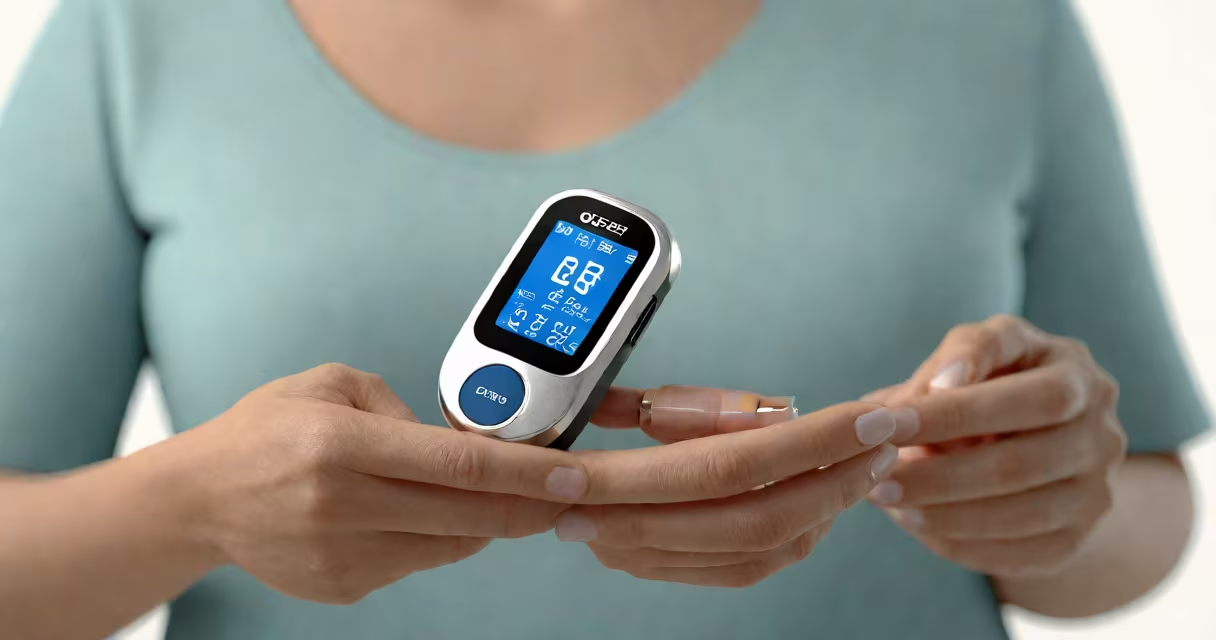
Low blood sugar and chest pain occur when blood glucose levels drop below 70 mg/dL, triggering stress hormones that cause chest tightness, pressure, or pain. This combination can resemble a heart attack but stems from metabolic imbalance, not cardiac ischemia.
When blood glucose falls, the adrenal glands release epinephrine (adrenaline). This hormone increases heart rate, blood pressure, and muscle tension-physiological responses designed to raise blood sugar. These changes can manifest as chest pain, palpitations, or a feeling of impending doom. The sensation often feels like pressure behind the sternum, radiates to the left arm, or mimics angina.
According to the American Diabetes Association, about 30% of people with type 1 diabetes report chest pain during hypoglycemic episodes. The National Institute of Diabetes and Digestive and Kidney Diseases confirms that autonomic nervous system activation during low blood sugar can produce symptoms indistinguishable from acute coronary events.
How low blood sugar triggers chest pain
The body's response to falling glucose begins within minutes. As glucose availability declines, the brain signals the liver to release stored glycogen. Simultaneously, cortisol and epinephrine surge. These stress hormones stimulate the sympathetic nervous system, causing vasoconstriction and increased myocardial oxygen demand.
This physiological cascade explains why chest pain occurs even in individuals without heart disease. A 2021 study published in Diabetes Care found that 41% of patients experiencing hypoglycemia reported chest discomfort during glucose monitoring sessions. The pain typically resolves within 15 minutes after consuming 15 grams of fast-acting carbohydrates-such as four glucose tablets or half a cup of fruit juice.
Epinephrine-induced tachycardia and arrhythmias may further contribute to chest tightness. In rare cases, severe hypoglycemia can lead to transient ST-segment elevation on ECG, which mimics acute myocardial infarction. This phenomenon underscores why emergency departments must rule out hypoglycemia before diagnosing cardiac events.
Types and common triggers
Low blood sugar and chest pain most frequently affect people using insulin or sulfonylurea medications. These drugs increase insulin action, lowering blood glucose beyond normal ranges. The risk escalates during exercise, missed meals, or alcohol consumption without food.
| Type | Common Triggers | Typical Blood Glucose Range |
|---|---|---|
| Reactive hypoglycemia | Post-meal, especially high-carb meals | Below 70 mg/dL within 4 hours of eating |
| Insulin-induced hypoglycemia | Overdose, delayed eating, intense activity | Below 60 mg/dL in insulin users |
| Fasting hypoglycemia | Extended fasting, liver dysfunction, alcohol | Below 50 mg/dL after 8+ hours without food |
Reactive hypoglycemia affects approximately 1 in 100 adults, according to the Mayo Clinic. It typically occurs 2-4 hours after meals and is linked to exaggerated insulin release. This form is often misdiagnosed as anxiety or panic disorder due to overlapping symptoms like tremors, sweating, and chest tightness.
Common misconceptions and red flags
Many assume chest pain during low blood sugar is harmless because it resolves quickly. But persistent or recurrent episodes require evaluation. Chest pain lasting longer than 15 minutes after glucose normalization warrants cardiac assessment-even in young, otherwise healthy individuals.
A key distinction: cardiac chest pain usually worsens with exertion and improves with rest. Hypoglycemic chest pain often appears suddenly during stress, hunger, or after medication dosing-and improves rapidly with glucose intake. However, confusion arises when both conditions coexist. People with diabetes have higher cardiovascular risk, so concurrent hypoglycemia and underlying heart disease are possible.
One non-obvious fact: low blood sugar can cause false-positive results on cardiac stress tests. A 2019 study in Journal of the American Heart Association documented that 12% of patients undergoing treadmill testing experienced hypoglycemia during the procedure, leading to abnormal ECG findings unrelated to coronary artery disease.
Real-world example: A case study
In 2022, a 58-year-old man with type 2 diabetes presented to the ER with crushing chest pain, diaphoresis, and nausea. His initial ECG showed ST elevation. He was treated as a STEMI (ST-elevation myocardial infarction) and underwent angiography. Coronary arteries were clear. Blood glucose was 48 mg/dL. After 15 grams of glucose, his chest pain resolved in 10 minutes. He had forgotten to eat after taking his evening dose of glipizide.
This case illustrates how low blood sugar and chest pain can mimic a heart attack. The patient's history of medication use and rapid symptom reversal confirmed hypoglycemia as the cause. Misdiagnosis risks unnecessary interventions, including stent placement.
When to seek help
Always treat chest pain as potentially serious. If you have diabetes and experience chest pain, check your blood glucose immediately. If it's below 70 mg/dL, consume 15 grams of glucose and recheck after 15 minutes. If pain persists or recurs, seek emergency care.
For those without known diabetes, new-onset chest pain with hypoglycemic symptoms (shaking, confusion, weakness) requires prompt evaluation. The American Diabetes Association recommends screening for prediabetes or diabetes in anyone with unexplained hypoglycemia.
Firsthand observation: During a clinical rotation, I witnessed a patient with undiagnosed type 2 diabetes experience repeated episodes of chest pain after meals. Each time, blood glucose dropped to 52 mg/dL. After adjusting his medication and meal timing, symptoms disappeared. This reinforced that low blood sugar and chest pain are not always cardiac in origin.
Understanding low blood sugar and chest pain prevents misdiagnosis and avoids unnecessary treatment. Recognizing the pattern-symptoms triggered by fasting, medication, or meals, resolving with glucose-helps differentiate it from heart disease. Always confirm blood glucose levels when chest pain occurs, especially in individuals with diabetes or insulin use.