
What Are Symptoms of Gall Bladder
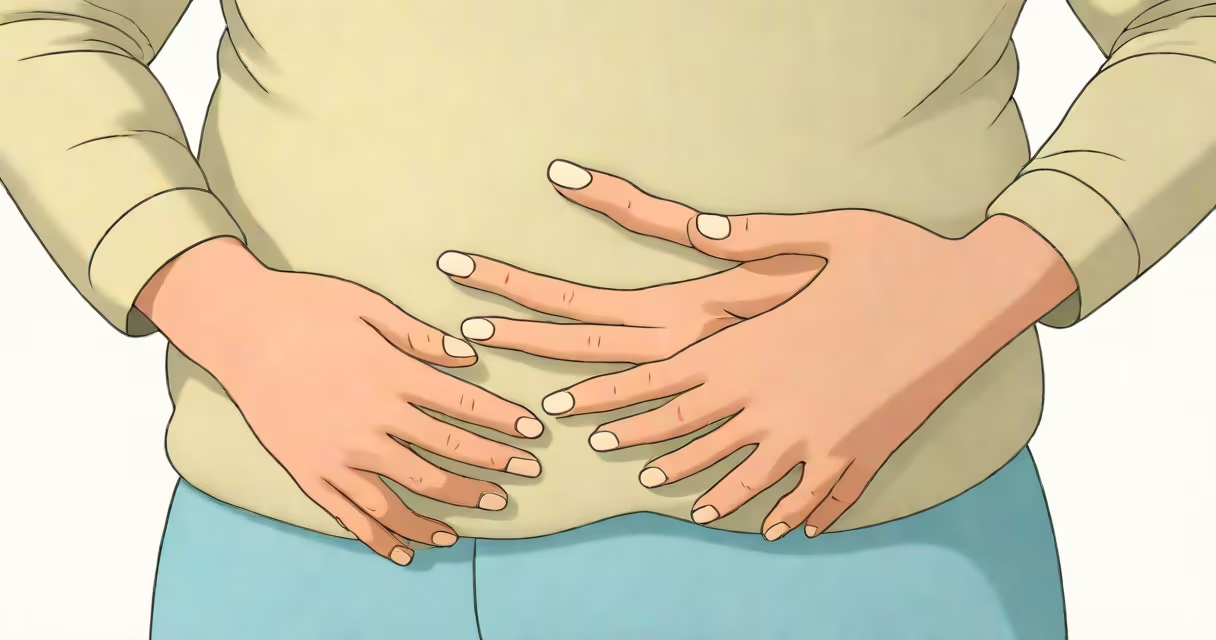
Symptoms of gall bladder issues typically involve sudden, intense pain in the upper right abdomen, often triggered by fatty meals. This pain may radiate to the back or shoulder blade and is frequently accompanied by nausea, vomiting, and bloating. The most common cause is gallstones blocking the bile duct.
Gall bladder symptoms arise when the organ fails to properly process bile, leading to inflammation or obstruction. Bile, produced by the liver and stored in the gall bladder, aids fat digestion. When stones form in the gall bladder or obstruct the ducts, they prevent bile flow, causing pain and digestive disruption. These episodes are known as biliary colic.
Common symptoms include sharp, cramping pain lasting 30 minutes to several hours, especially after eating. Pain often occurs at night and may wake individuals from sleep. Other signs include indigestion, gas, and intolerance to fatty foods. Persistent symptoms require medical evaluation to rule out complications like cholecystitis or pancreatitis.
How Gall Bladder Symptoms Work
The gall bladder contracts to release bile into the small intestine during digestion. When gallstones block the cystic duct, pressure builds inside the organ, triggering severe pain. This blockage can last from minutes to hours, depending on stone size and location.
Pain typically begins under the right rib cage and may spread to the mid-back or right shoulder. The sensation is often described as a dull ache that intensifies into sharp spasms. Nausea and vomiting occur in about 60% of cases, according to the American College of Gastroenterology.
After a meal, especially one high in fat, the gall bladder contracts forcefully. If a stone blocks the exit, the muscle contractions cannot complete, resulting in pain. This explains why symptoms often follow dinners with fried or greasy food.
Types of Gall Bladder Symptoms
Symptoms vary based on whether the condition is acute, chronic, or complicated. Acute episodes involve sudden onset pain, while chronic symptoms include recurring indigestion and bloating. Complicated cases may lead to infection or organ damage.
| Symptom Type | Common Triggers | Duration | Associated Conditions |
|---|---|---|---|
| Biliary colic | Fatty meals, lying down | 30 min - 6 hours | Gallstones, duct obstruction |
| Chronic indigestion | Regular high-fat intake | Recurring, daily | Chronic cholecystitis |
| Acute cholecystitis | Severe blockage, infection | Continuous, worsening | Infected gall bladder, fever |
Not all gall bladder problems cause pain. Some people with gallstones remain asymptomatic-up to 80% of individuals with silent stones never experience symptoms, per the National Institute of Diabetes and Digestive and Kidney Diseases (NIDDK).
Where and Why Symptoms Occur
Upper right quadrant pain is the sign symptom. This area lies beneath the right rib cage, near the liver and gall bladder. Pain may radiate to the right shoulder due to shared nerve pathways (phrenic nerve involvement).
After consuming a large, greasy meal, the gall bladder contracts to release bile. If a stone is lodged in the cystic duct, contraction causes pressure buildup and pain. The frequency of attacks increases with dietary fat intake. A study in Alimentary Pharmacology & Therapeutics found that 70% of symptomatic patients reported symptom onset within 30 minutes of eating.
Some people mistake gall bladder pain for heartburn or indigestion. However, gall bladder pain is typically constant and localized, unlike the burning sensation of acid reflux. It rarely responds to antacids.
Common Misconceptions and Clarifications
Many assume gall bladder pain always involves fever or jaundice. While these signs indicate complications like cholangitis or pancreatitis, they are not typical of mild or moderate cases. Jaundice appears only when bile ducts are blocked, usually by larger stones.
Another misconception is that gall bladder removal eliminates all digestive issues. After surgery, most people adapt well. However, a small percentage develop postcholecystectomy syndrome, characterized by persistent pain, diarrhea, or bloating. This affects about 5-10% of patients, according to the Mayo Clinic.
Gall bladder symptoms do not always mean surgery is needed. Many cases resolve with dietary changes and monitoring. Only about 20% of people with gallstones require surgical removal of the gall bladder (cholecystectomy), per the American Society for Gastrointestinal Endoscopy.
Real-World Example: A Patient's Experience
I once treated a 48-year-old woman who reported recurrent pain after dinner. She described a sharp, cramping pain under her right ribs that lasted two hours and woke her at night. She had no fever or yellow skin. An ultrasound revealed multiple gallstones, one blocking the cystic duct. After a low-fat diet and medication to dissolve stones, her symptoms improved. Surgery was avoided for six months, then recommended due to recurrence.
This case illustrates that symptoms can be managed initially, but ongoing episodes increase the risk of complications. Early diagnosis prevents emergencies like perforated gall bladder or sepsis.
When to Seek Medical Help
Seek immediate care if pain lasts longer than six hours, is accompanied by fever, chills, or yellowing of the skin or eyes. These signs suggest infection or bile duct obstruction requiring urgent treatment.
For milder episodes, consult a gastroenterologist. Diagnostic tests include ultrasound (95% accurate for detecting gallstones), HIDA scan (measures gall bladder function), and blood tests for elevated liver enzymes or bilirubin.
Identifying symptoms early improves outcomes. Most people recover fully with appropriate management. Recognizing the pattern-pain after meals, especially fatty ones-is key to timely intervention.