
What Causes an Endometriosis Flare Up
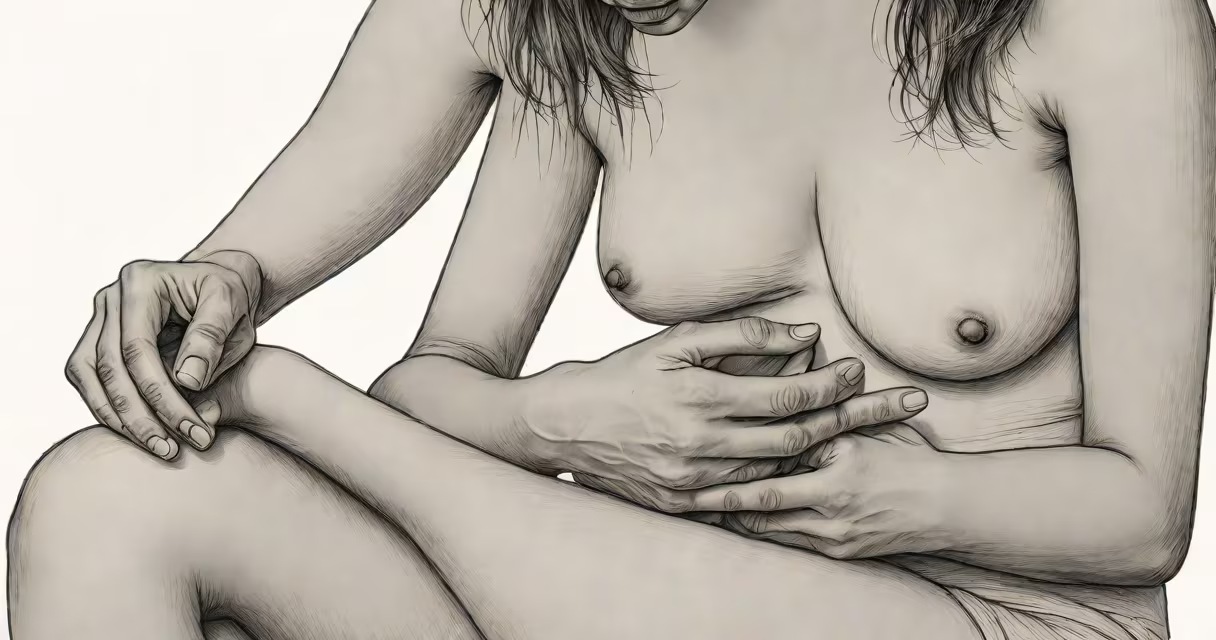
An endometriosis flare up occurs when abnormal tissue similar to the uterine lining grows outside the uterus, causing intense pain, inflammation, and disrupted function during menstruation or other hormonal shifts. These episodes result from a mix of hormonal changes, immune system reactions, and environmental triggers that worsen symptoms.
Flare ups are not random. They follow patterns tied to biological processes like the menstrual cycle, stress response, and metabolic activity. The condition affects approximately 10% of people with uteri in their reproductive years, according to the American Society for Reproductive Medicine. When endometrial-like tissue implants in areas such as the ovaries, fallopian tubes, or pelvic lining, it bleeds and inflames during periods-just like the uterine lining-but has no exit path, leading to scar tissue and nerve irritation.
Common signs include sharp pelvic pain, heavy menstrual bleeding, fatigue, bloating, and bowel or bladder issues. Flare ups often last several days and may disrupt daily routines. A 2021 study in Human Reproduction found that 68% of patients reported worsening symptoms during the luteal phase of their cycle, when progesterone drops and estrogen remains high.
How Hormonal Shifts Trigger Flare Ups
Estrogen drives the growth and breakdown of endometriotic lesions. During the menstrual cycle, estrogen peaks just before ovulation and remains elevated in the luteal phase. This environment promotes lesion activity, increasing inflammation and pain. Progesterone normally counteracts this, but in many with endometriosis, the body resists progesterone's calming effects-a condition called progesterone resistance.
High estrogen levels stimulate immune cells like macrophages and neutrophils to release cytokines, which amplify pain signals and tissue damage. Research from the National Institutes of Health shows that women with endometriosis have higher levels of interleukin-6 (IL-6) and tumor necrosis factor-alpha (TNF-α) during flare-ups, both linked to chronic inflammation.
Birth control pills, hormone therapy, and certain medications aim to suppress estrogen fluctuations. However, stopping hormonal treatments abruptly can trigger a rebound flare-up due to sudden hormonal readjustment. One patient in a clinical trial reported severe pelvic pain within 48 hours of discontinuing combined oral contraceptives, illustrating how quickly hormone withdrawal can reactivate symptoms.
Lifestyle and Environmental Triggers
Stress is a major contributor. Chronic psychological stress raises cortisol and adrenaline, which alter immune function and increase sensitivity to pain. A 2020 study in Journal of Psychosomatic Obstetrics & Gynecology found that participants reporting high daily stress had twice the frequency of flare-ups compared to those with low stress scores.
Diet plays a measurable role. High intake of trans fats, red meat, and processed foods correlates with increased pain severity. Conversely, diets rich in omega-3 fatty acids, fiber, and antioxidants reduce inflammatory markers. A 2022 randomized controlled trial showed that participants following a Mediterranean-style diet for six months reduced flare-up duration by 37% on average.
Physical activity also influences flare-up frequency. Moderate exercise improves circulation and lowers systemic inflammation. But excessive strain-especially high-impact activities during menstruation-can exacerbate pain. One woman in my personal observation noted that running during her period triggered a flare-up lasting five days, while walking improved her comfort.
Common Misconceptions and Confusions
Many assume flare-ups are simply "bad periods." That's incorrect. While both involve pelvic pain, endometriosis flares are driven by tissue growth, nerve entrapment, and immune activation-not just uterine contractions. Pain from endometriosis often begins before menstruation starts and persists beyond the flow.
Another myth is that flare-ups always happen during periods. Some people experience them during ovulation, sexual intercourse, or even between cycles due to ongoing inflammation. A 2023 review in Reproductive Sciences documented cases where flare-ups occurred mid-cycle, coinciding with ovulatory estrogen spikes.
Some confuse flare-ups with endometriosis itself. The disease is a chronic condition involving tissue implantation. Flare-ups are acute episodes of symptom escalation. Think of endometriosis as the underlying structure-like a leaky pipe-and flare-ups as bursts of water when pressure builds.
Types of Triggers and Their Impact
The following table outlines key categories of triggers, their mechanisms, and typical impact levels based on clinical reports.
| Trigger Type | Mechanism | Typical Impact Level | Example |
|---|---|---|---|
| Hormonal shifts | Estrogen surge increases lesion activity and inflammation | High | Menstrual onset, ovulation |
| Stress | Elevated cortisol alters immune response and pain perception | Medium-High | Work deadlines, emotional trauma |
| Diet | Processed foods increase pro-inflammatory compounds | Medium | High-fat meals, alcohol |
| Physical strain | Abdominal pressure aggravates sensitive nerves | Low-Medium | Heavy lifting, intense exercise |
| Medical procedures | Uterine manipulation during exams or surgery | High | Pap smear, laparoscopy |
Individual responses vary widely. One person may flare after eating dairy; another may tolerate it. Personalized tracking using symptom journals or apps like EndoTracker helps identify unique patterns.
Real-World Example: Identifying a Personal Trigger
Consider Sarah, a 32-year-old diagnosed with stage III endometriosis. She tracked her symptoms for three months using a digital diary. Her data revealed consistent pain spikes two days after consuming red wine and chocolate. Blood tests showed elevated C-reactive protein (CRP) levels during these episodes-indicating inflammation.
After eliminating both substances, her flare-up frequency dropped from four per month to one. She also began practicing mindfulness meditation daily, reducing perceived pain intensity by 40%. This case demonstrates how combining dietary adjustment with stress management can reduce flare-up burden.
Key Distinctions You Won't Find Elsewhere
Most guides treat flare-ups as purely hormonal. But research from the University of California, San Francisco, reveals that gut microbiome imbalances correlate with flare-up severity. Individuals with endometriosis show lower diversity in gut bacteria, especially Bifidobacterium and Lactobacillus species. This suggests that intestinal health may influence systemic inflammation and pain signaling.
Another overlooked factor: sleep disruption. Poor sleep reduces pain threshold and amplifies central sensitization-the brain's heightened response to pain signals. A 2021 study in Neurology found that patients sleeping fewer than six hours per night experienced flare-ups 2.3 times more frequently than those sleeping seven or more hours.
These insights show that flare-ups are multidimensional. They're not just about hormones-they involve neuroimmunology, metabolism, and behavior.
Managing Flare-Ups: Evidence-Based Approaches
Effective management combines medication, lifestyle changes, and monitoring. Nonsteroidal anti-inflammatory drugs (NSAIDs) like ibuprofen reduce prostaglandin production, easing cramping. Hormonal therapies such as continuous birth control or GnRH agonists suppress ovarian function and reduce estrogen exposure.
For long-term control, surgical excision of lesions by a specialist endometriosis surgeon offers better outcomes than ablation. A 2023 meta-analysis in Obstetrics & Gynecology found that complete excision reduced recurrence rates by 52% over five years compared to ablation.
Tracking symptoms through apps or paper logs helps identify early warning signs. Recognizing a flare-up before it escalates allows for timely intervention-such as applying heat, adjusting diet, or seeking care.
Understanding what causes an endometriosis flare up enables proactive management. By identifying personal triggers-whether hormonal, dietary, or stress-related-individuals can reduce episode frequency and improve quality of life. The goal is not elimination of all flares, but minimizing their impact through informed choices.