
What Causes People to Have Strokes
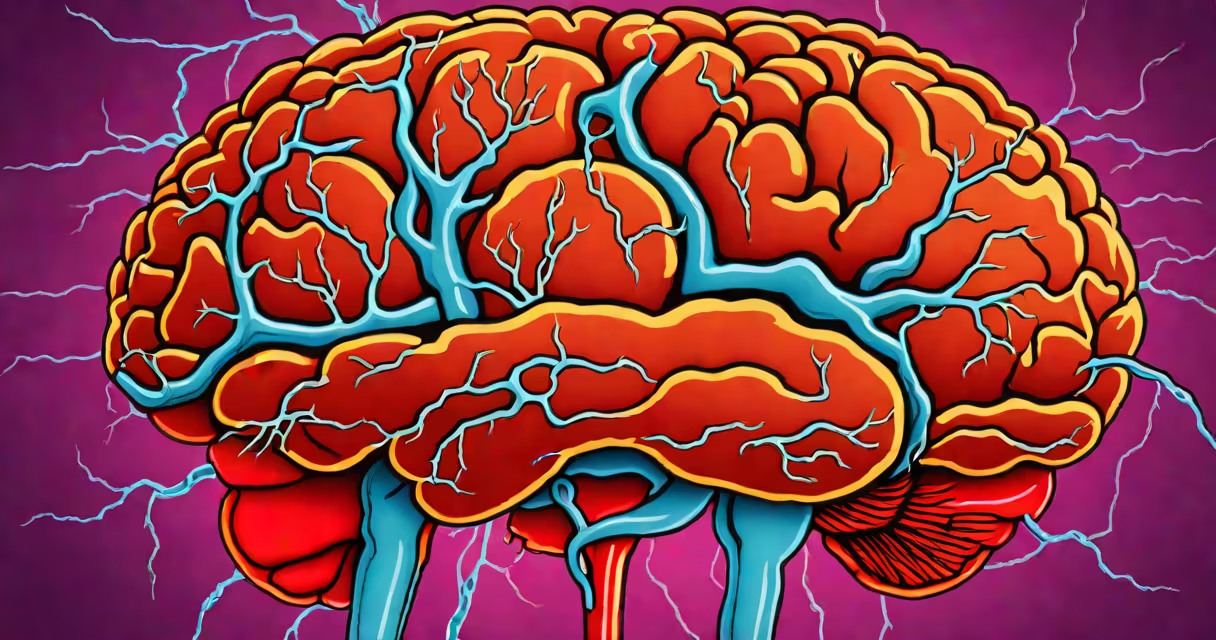
A stroke happens when blood flow to a part of the brain stops or is severely reduced, causing brain cells to die within minutes. The two main types are ischemic (caused by a clot) and hemorrhagic (caused by bleeding). About 87% of strokes are ischemic, and 13% are hemorrhagic, according to the American Stroke Association.
Ischemic strokes result from blockages in arteries supplying blood to the brain. The most common cause is atherosclerosis-the buildup of fatty deposits (plaque) inside arteries. When plaque ruptures, a blood clot forms and blocks blood flow. Another major cause is embolism, where a clot forms elsewhere-often in the heart-and travels to the brain. Atrial fibrillation, an irregular heartbeat, increases this risk.
Hemorrhagic strokes occur when a weakened blood vessel bursts inside the brain. High blood pressure is the leading contributor, damaging vessel walls over time. Other causes include aneurysms-bulging spots on blood vessels-and arteriovenous malformations (AVMs), which are abnormal connections between arteries and veins. These conditions can rupture under stress, leading to sudden bleeding.
Key Risk Factors and Underlying Mechanisms
High blood pressure is the single biggest modifiable risk factor for stroke. It damages arterial walls, making them more likely to develop plaque or burst. The CDC reports that nearly half of U.S. adults have hypertension, and many don't know they do. Uncontrolled high blood pressure increases the risk of both ischemic and hemorrhagic strokes.
Diabetes raises stroke risk by damaging blood vessels and increasing inflammation. Elevated blood sugar levels impair endothelial function-the lining of blood vessels-reducing their ability to regulate blood flow. For every 1% increase in HbA1c (a measure of long-term glucose control), stroke risk rises by about 16%, per a 2021 study published in Stroke.
Smoking accelerates atherosclerosis and reduces oxygen delivery to the brain. Each cigarette reduces blood flow to the brain by up to 30% during smoking, according to research from the National Institutes of Health. Quitting smoking cuts stroke risk by 50% within five years.
Less Obvious Triggers and Misconceptions
Many assume strokes only affect older adults. But nearly 1 in 6 strokes occur in people under 65. Younger individuals are increasingly affected by lifestyle-related risks such as obesity, sedentary behavior, and substance use. Cocaine use, for example, can trigger a stroke by causing sudden vasoconstriction and elevated blood pressure.
Another misconception is that only severe symptoms indicate a stroke. In reality, transient ischemic attacks (TIAs)-often called "mini-strokes"-can precede a full stroke. TIAs last less than an hour and resolve completely, but they signal a high risk of a major stroke within days. About 1 in 3 people who have a TIA will have a full stroke within a year if untreated.
Some people believe that stroke symptoms always appear suddenly. While rapid onset is common, certain types of stroke-especially those caused by small vessel disease-can progress slowly over hours or even days. This delayed presentation often leads to missed diagnosis and worse outcomes.
Types of Stroke and Their Root Causes
The following table outlines the primary types of stroke and their underlying mechanisms:
| Type | Percentage of Cases | Primary Cause | Common Contributing Conditions |
|---|---|---|---|
| Ischemic (blockage) | 87% | Blood clot in brain artery | High blood pressure, atrial fibrillation, diabetes, high cholesterol |
| Hemorrhagic (bleeding) | 13% | Burst blood vessel in brain | Uncontrolled hypertension, aneurysms, AVMs, anticoagulant use |
Ischemic strokes are further divided into large vessel occlusion (LVO), small vessel disease, and cardioembolic strokes. LVO accounts for about 15% of ischemic strokes and occurs when a major artery-like the internal carotid or middle cerebral artery-becomes blocked. These cases require immediate intervention, such as mechanical thrombectomy, to restore blood flow.
Small vessel disease affects deep brain structures and is linked to chronic hypertension and aging. It's responsible for lacunar strokes, which often present with subtle symptoms like mild weakness or difficulty walking. These strokes are harder to detect on imaging but contribute to long-term disability.
Real-World Example: A Case Study
In 2022, a 54-year-old man with unmanaged hypertension and type 2 diabetes presented to the ER with slurred speech and left-sided weakness. His blood pressure was 190/110 mmHg. A CT scan showed a large clot in the right middle cerebral artery. He underwent emergency thrombectomy and regained partial movement within 48 hours. His stroke was ischemic, caused by a combination of atherosclerosis and poor blood pressure control.
This case illustrates how multiple risk factors interact. The patient had three major contributors: uncontrolled hypertension, diabetes, and a history of smoking. All were treatable, yet he delayed care until symptoms worsened. Early recognition and treatment improved his outcome-but not enough to prevent lasting deficits.
Common Confusions and Corrections
People often confuse stroke with seizure or migraine. A seizure may mimic stroke symptoms like facial droop or weakness, but it typically involves altered consciousness, jerking movements, or loss of awareness. Migraines with aura can cause temporary vision loss or numbness, but symptoms resolve within an hour and are usually preceded by a headache.
Another frequent error is assuming that recovery after a stroke is automatic. In reality, recovery depends heavily on early rehabilitation. Studies show that patients who begin physical therapy within 24 hours of a stroke have better motor function outcomes at three months compared to those who start later.
Finally, some believe that only men suffer strokes. Women are at equal risk, but their symptoms can differ. Women are more likely to report fatigue, confusion, or nausea-not just classic signs like facial droop. This gender difference contributes to delays in seeking care.
Prevention and Early Detection
Preventing stroke begins with managing known risk factors. The American Heart Association recommends regular blood pressure checks, fasting blood glucose tests, and lipid panels. Adults should aim for a systolic blood pressure below 130 mmHg and an LDL cholesterol level under 100 mg/dL.
For those with atrial fibrillation, anticoagulants like apixaban or rivaroxaban reduce stroke risk by up to 60%. The CHA2DS2-VASc score helps determine who needs medication based on age, sex, and comorbidities.
I've seen patients improve dramatically after starting statins and blood pressure meds. One woman, 68, had a TIA and was prescribed lisinopril and atorvastatin. After six months, her blood pressure stabilized at 122/78, and her LDL dropped from 160 to 85. She hasn't had another event since.